A surf-twang country-noir highlight from Fox Confessor Brings the Flood, where Case turns self-protection into a hook — that towering voice admitting it keeps its tenderness for strangers.
Rilo Kiley’s “With Arms Outstretched” is one of the great quiet anthems of early-2000s indie rock — a slow-burning acoustic song that turns longing, time, vulnerability, and emotional surrender into something communal by the end.
A 2002 blueprint where Pharrell and Chad Hugo build a hit out of almost nothing — a knocking lunchroom beat and acres of silence — and Pusha T and Malice fill the gaps with ice-cold coke-rap craft.
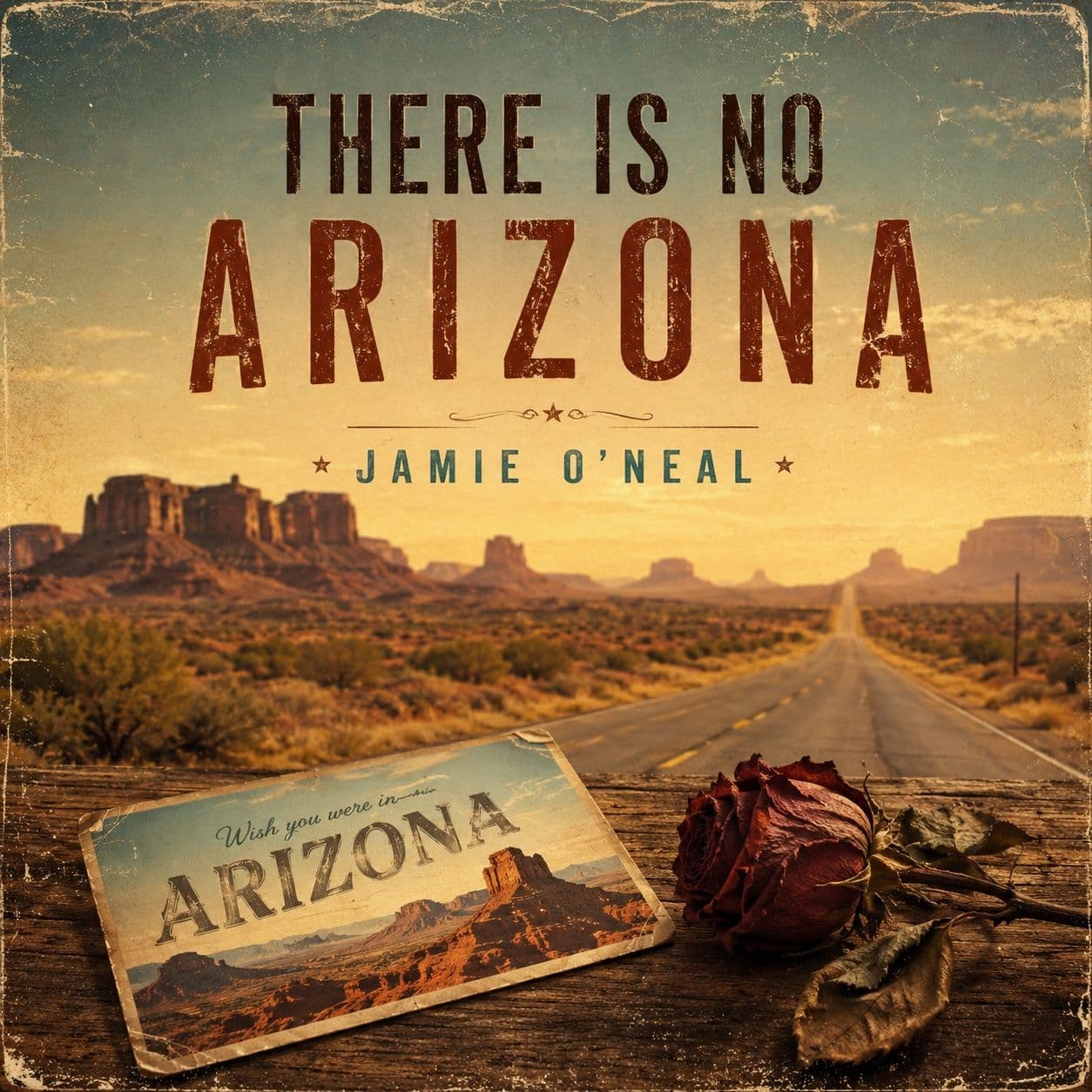
Jamie O’Neal’s “There Is No Arizona” remains a masterclass in country-pop storytelling: a breakup song built not around a fight, but around the slow death of belief. With its desert imagery, aching vocal restraint, and devastating central metaphor, the track turns Arizona into something bigger than a place. It becomes a promise, a fantasy, and eventually, the proof that the person she was waiting for was never really coming back.
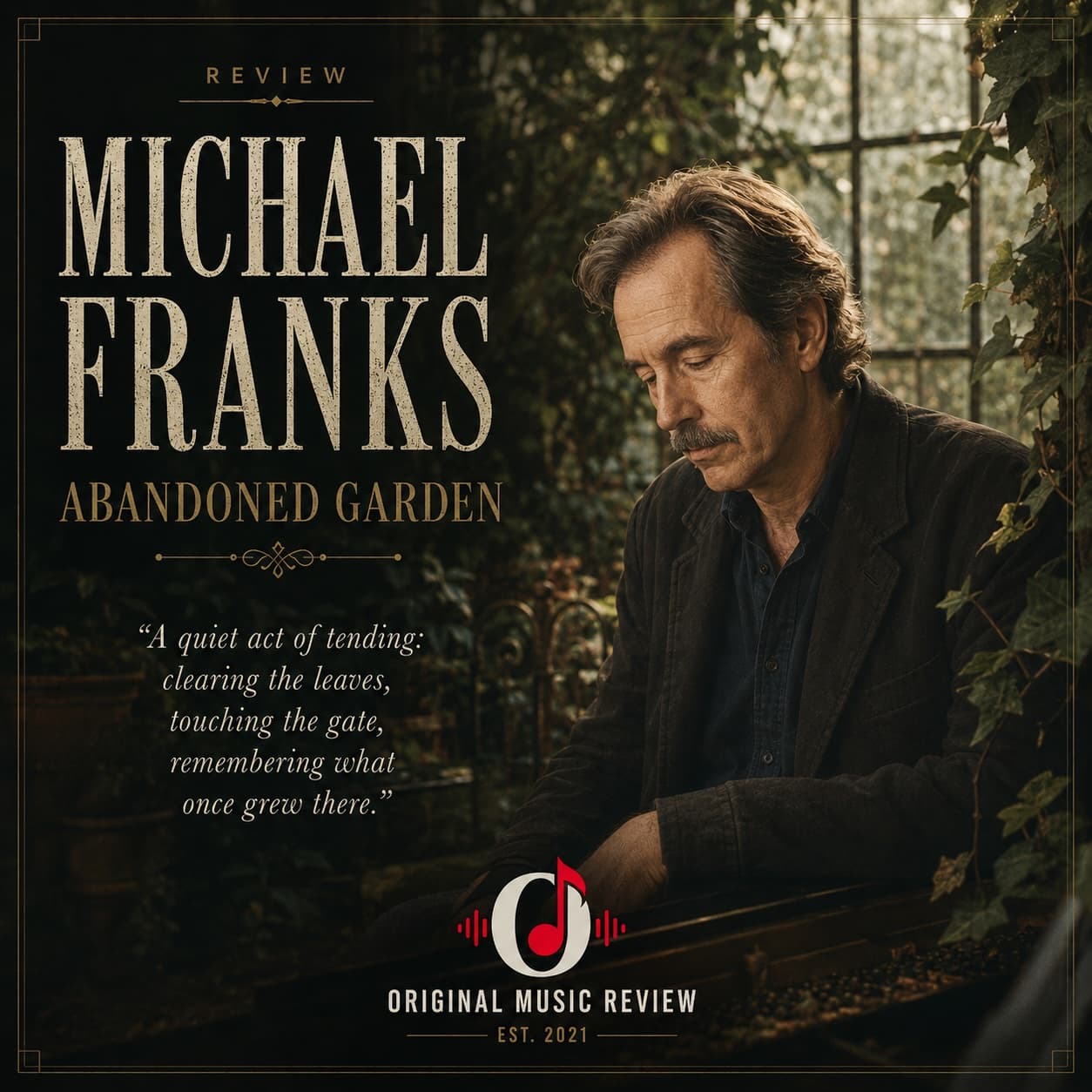
Michael Franks’ “Abandoned Garden” is a hushed, graceful, quietly devastating vocal-jazz piece from his 1995 album of the same name, dedicated to Antônio Carlos Jobim and built around emotional economy rather than display.
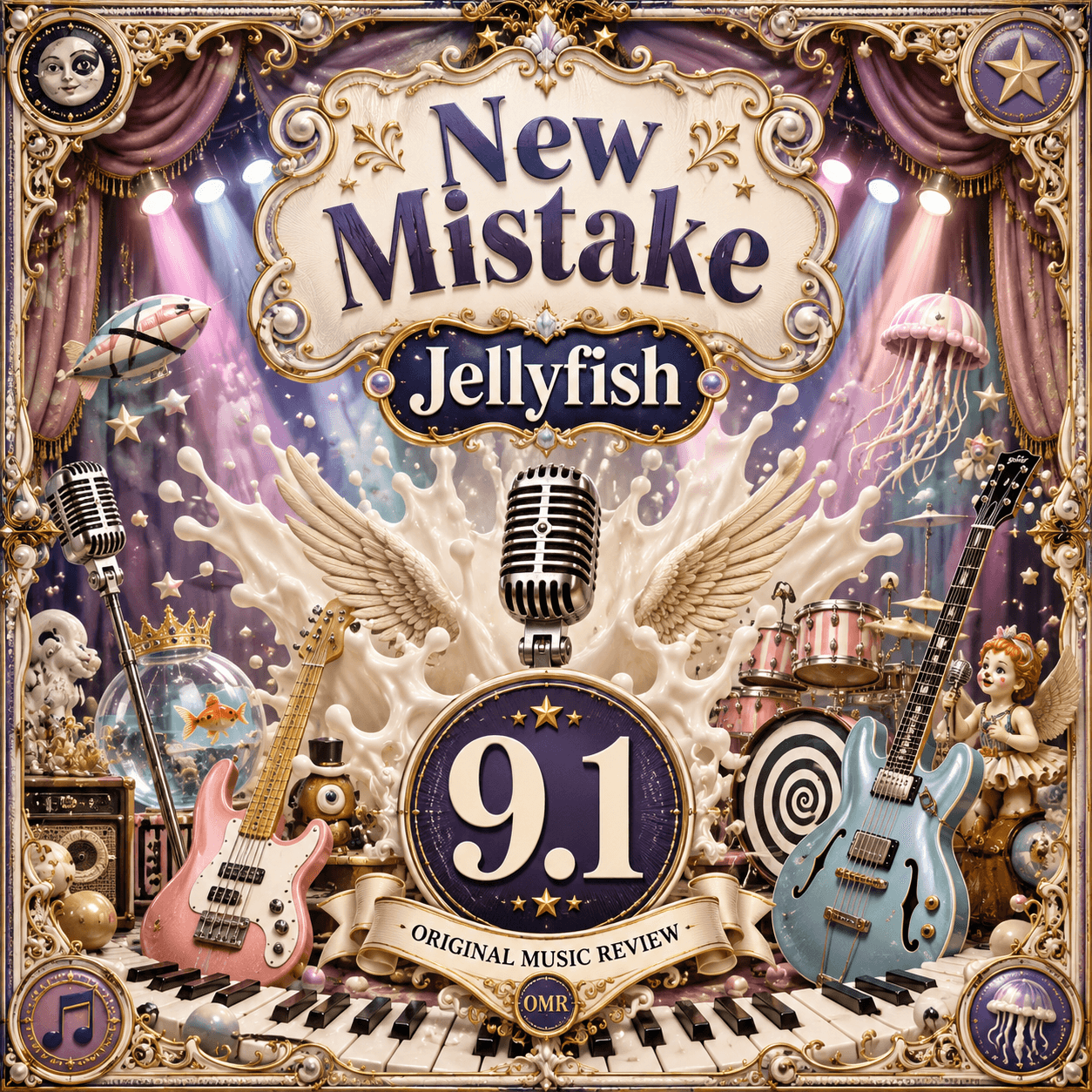
Jellyfish’s “New Mistake” is power-pop at its most dazzling and faintly unhinged — a 1993 Spilt Milk highlight that stacks Queen harmonies, Beatles chord changes, and theatrical arrangement craft over a chorus engineered to feel like it has always existed.
A 1990 power-pop showcase from Bellybutton where Andy Sturmer and Roger Manning cram Beatles harmonies, Queen drama and Beach Boys sunshine into one giddy, overstuffed song — maximalism as a love language.
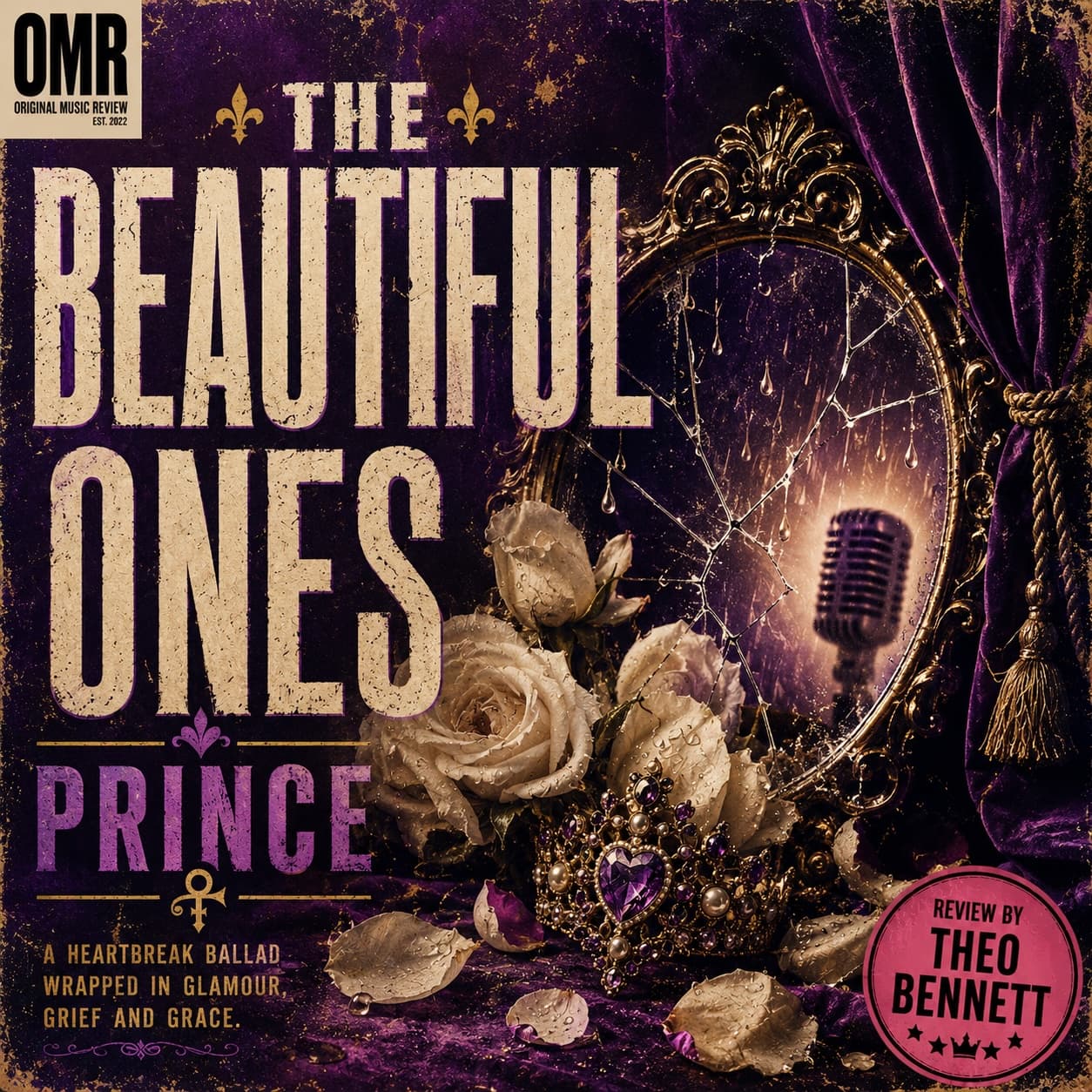
Prince’s “The Beautiful Ones,” from 1984’s Purple Rain, is a controlled emotional detonation disguised as a ballad — fragile, jealous, pleading, and finally torn open by one of the most famous screams in pop music.
Andrew Gold’s 1977 hit “Lonely Boy” sounds like gleaming Los Angeles soft rock, but underneath the flawless Peter Asher production sits a comically bitter character study — a firstborn turning childhood resentment into lifelong mythology, and making self-pity irresistibly catchy.
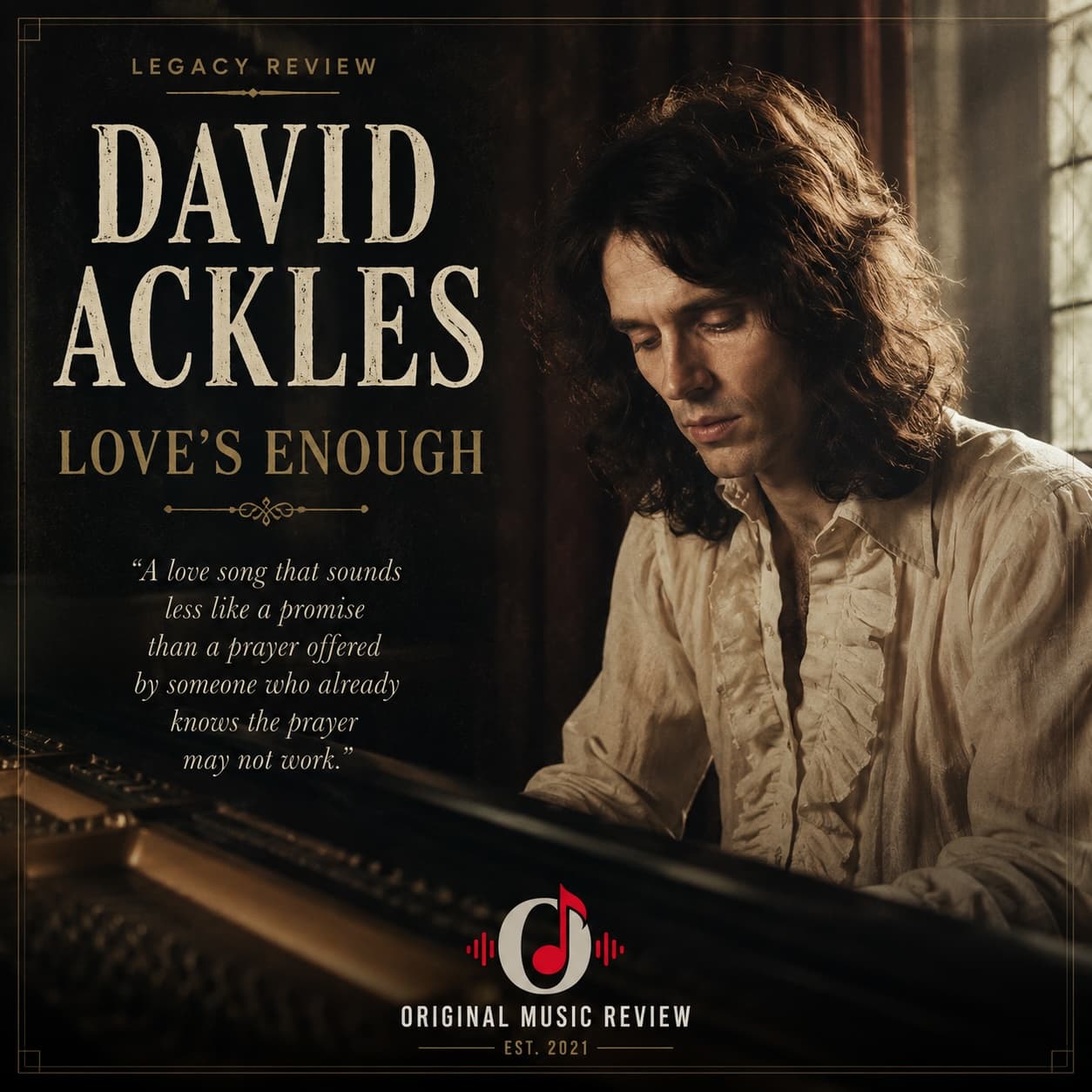
David Ackles’ “Love’s Enough” is a small masterpiece of vulnerable songwriting from 1972’s American Gothic — tender, theatrical, quietly devastating, and brave enough to make sincerity feel dangerous.