"Serenade," the synth-pop duo release credited to aespa's KARINA and WINTER, opens on a contradiction: a driving, arpeggiated pulse beneath a vocal so breathy and reverb-washed it barely seems to be in the same room. That tension — forward motion locked inside something contemplative and aching — is the song's whole argument, and it makes for one of the more quietly insistent things the SM orbit has delivered this cycle.
The single "The Wedding Song (From 'Vishwanath & Sons')(Tamil)" by composer-singer G. V. Prakash arrives as a filmi pop set piece — fast, dense, and engineered to fill a banquet hall. It fuses a modern drum-kit backbone with dholak-adjacent percussion, synthesized nadaswaram-like winds, and a plucked string figure that keeps darting through the mix, arriving at a sound that is neither purely traditional nor comfortably crossover. The collision is the point, and for most of its audible thirty seconds it holds together through sheer kinetic pressure.
Kevin Parker's latest single under the Tame Impala banner arrives as a study in deliberate discomfort — a synth-pop track that uses processed vocals and spacious, reverb-heavy production not to soothe but to keep the listener slightly off-balance. "Hummer" is about reflection and what slips through memory, and the sonic architecture keeps insisting on that same unsteadiness: everything sounds clear, and nothing quite resolves.
"In My Lifetime" is a mid-tempo hip-hop single from JAŸ-Z that trades flash for friction. Over a lo-fi synth instrumental and programmed drums, a laid-back but deliberate flow draws a hard line between ambition and outcome — the hustle is present, but so is the reckoning. It is a track that earns its confidence by acknowledging the cost.
"Emang Boleh?" is a bright, high-energy dance-pop single from Akbar Chalay that spends its runtime asking permission for something that already has it — a crush that's settled into your thoughts uninvited and turned out to be welcome. Fronted by a confident lead vocal that drops straight into the hook at second zero, the track moves fast, stays clean, and doesn't waste a beat on hesitation.
"Có Gì Đâu Mà Cay" is a Vietnamese trap single from Tinh Hà "Say Hi" that opens its hand immediately: a synth-driven hook in English before pivoting into Vietnamese rap, building the whole thing around a posture of unanswerable confidence. The move is less about code-switching as novelty and more about making the challenge land before the listener can get their footing.
"Sunburst" is a high-energy electronic pop single from RIIZE that arrives with a clean, punchy production and a chorus engineered for lift. Built on synth layers, a driving kick, and stacked vocal harmonies that surge at the top of the hook, it sells optimism not as sentiment but as momentum — the kind of track that front-loads its best argument and bets you won't need convincing twice.
Brazilian MC Mc Magrinho's single "NO PIQUE ANOS 80" is a bright, punchy reggaeton cut built around a pitched-up vocal hook and a dembow groove that does exactly what the title promises — it hits with the blunt confidence of something retrofitted for the club floor. The thesis is simple: the track leads with rhythm over nuance, and for three minutes that trade is more than enough.
"NOBLE," the new single from F3miii featuring The Kid LAROI, arrives as a piece of polished synth-pop that builds its emotional case not from grand declarations but from repetition and restraint — a song about devotion circling the same drain, driven by a hook-like arpeggiated lead synth that establishes its mood in the first two seconds and refuses to let go.
A hard-hitting Brazilian funk-meets-EDM single, "Você Já Sabe" runs on the premise that Anitta's arrival requires no introduction — and that the sound system will say the rest. Built around punchy electronic drums, a deep synthesized bass, and a group vocal chant that functions more like a declaration than a hook, the track positions confidence not as attitude but as architecture: the whole thing is engineered to announce.
Released as a standalone single, "the feeling" finds Steve Lacy working a narrow emotional corridor — mid-tempo electropop built around layered female vocals, warm synth pads, and a restless synth bass — and discovering that the question asked over and over is its own kind of answer. The track doesn't resolve so much as accumulate, stacking harmonic voices until the uncertainty itself starts to feel like a groove.
"Sun Has Set" is a new single from beabadoobee that plants her firmly in alt-rock/pop-punk territory, running on defiance rather than grief. Where a breakup song usually lingers in the wreckage, this one locks the exit — the thesis isn't heartbreak, it's finality.
A smooth, mid-tempo R&B single built around layered vocal harmonies and a polished, spacious production, "Morning Dew (Donk)" finds Beyoncé in a reassuring register — not the commanding arena mode, not the experimental auteur, but the warm-hearted partner who stays put. The thesis is commitment as comfort, and the track earns it by letting the voice do the structural work.
On "100," Ella Mai builds a mid-tempo R&B single around a deceptively simple argument: real partnership is a numbers game, and she already knows the figures. Produced with a clean, spacious trap-soul foundation — sub-bass sitting deep, electronic drums crisp and unhurried, synth pads opening up the room — the track lets Mai's vocal do the proving, blending melodic singing with rhythmic, near-conversational phrasing until the devotion sounds less like a declaration and more like a settled fact.
A folk-pop single with a jazz lean, "Life's a Whole Lot Easier" sets Ellie Jo Lovini's conversational vocal over fingerpicked acoustic guitar, electric bass, and brushed drums — then lets an alto saxophone do the emotional heavy lifting. The thesis is a small, honest one: that some departures don't break you, they free you.
"Heaven" is an acoustic pop single from Myles Smith that collapses a grand theological concept into one intimate declaration: the person in front of him is all the afterlife he needs. Built on strummed and arpeggiated acoustic guitar, a warm electric bass, light percussion, and synth pads hovering at the edges, the track earns its sentiment not through scale but through restraint — a breathy, vulnerable vocal delivery that refuses to oversell the word it's carrying.
“Big Girl Money” is a polished contemporary country-pop single from HuneyFire, the mother-daughter Afro-Latina duo, built on a loaded idea: financial independence as the surest kind of self-respect. The empowerment theme is well-traveled country-pop ground, but what carries this one isn’t the message — it’s the harmony. When the second and third female voices fold in on the title hook, the song stops being a statement and becomes a family agreeing on the figure, two generations landing on the same number at the same instant.
A seven-minute, three-movement suite that lurches from hushed piano confession to gospel catharsis to a drum-and-bass release valve — RAYE betting her hard-won independence on maximalism, and mostly making the gamble pay.
A Perth blues-rock outfit answers doomscrolling fatigue with the one thing a feed can’t give you — patience — riding a smoky, unhurried groove toward a roots-tinged bridge that earns the exhale.
Weezer’s live-tracked breakup duet hands half the song to Wednesday’s Karly Hartzman — and is honest enough to let her steal it, pedal steel and grunge-deadpan smeared across vintage power-pop.
A gleefully kitsch country-pop debut where a Dublin songwriter dreams herself into a Western to escape modern dread — all big hooks and bigger jokes, with genuine loneliness running underneath.
The lead single from Fancy That swaps her usual wistful longing for a narrator in full control — riding a clubby house pulse and a sly Panic! at the Disco string sample into one of her sharpest, most replayable hooks.
A surf-twang country-noir highlight from Fox Confessor Brings the Flood, where Case turns self-protection into a hook — that towering voice admitting it keeps its tenderness for strangers.
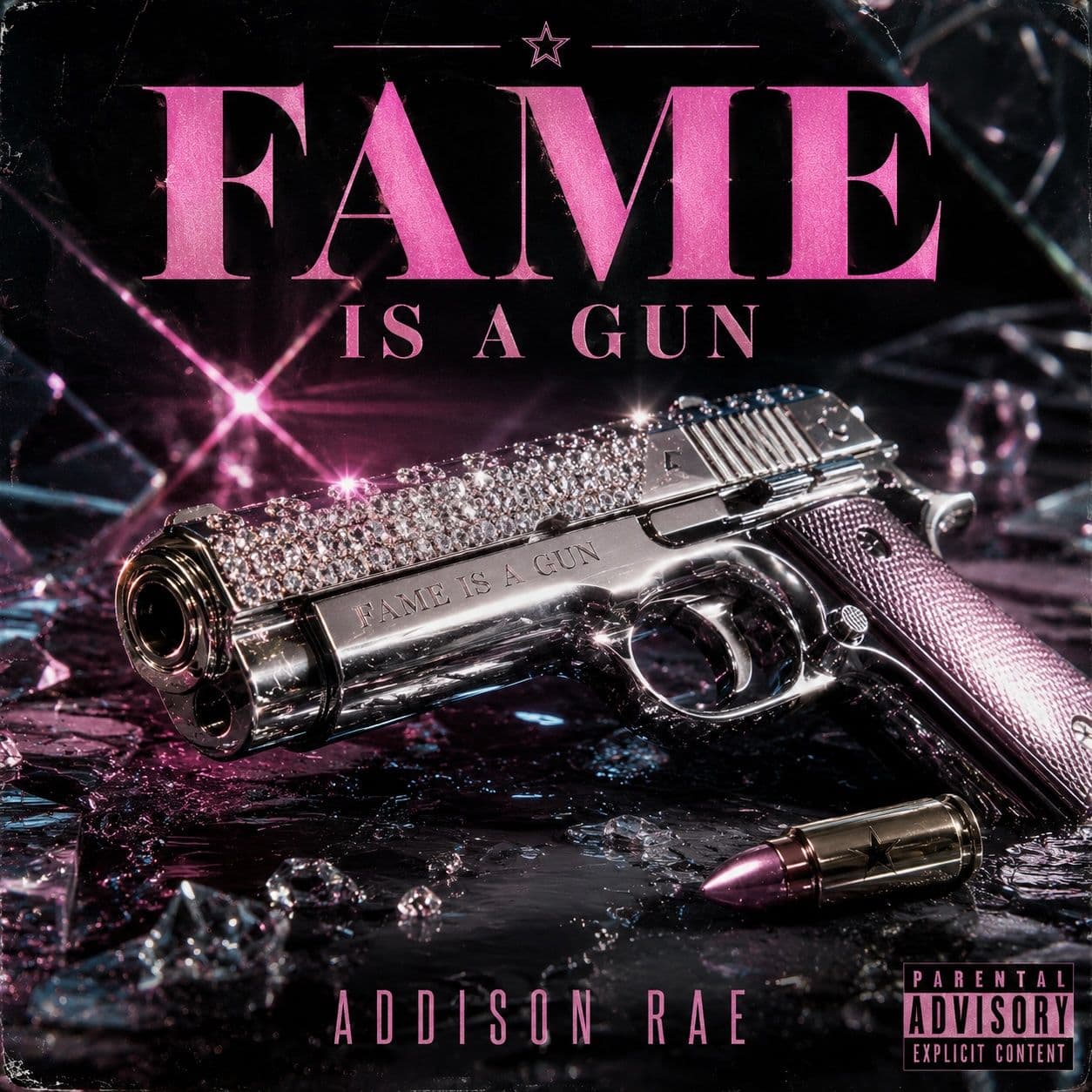
Addison Rae’s “Fame is a Gun” is a sharp, shimmering synth-pop single that turns the machinery of celebrity into both fantasy and threat. Rather than apologizing for ambition, Rae leans into it, delivering a track that understands fame as something seductive, dangerous, theatrical, and impossible to hold safely. It is glossy pop with a loaded metaphor at its center.
A 1990 power-pop showcase from Bellybutton where Andy Sturmer and Roger Manning cram Beatles harmonies, Queen drama and Beach Boys sunshine into one giddy, overstuffed song — maximalism as a love language.
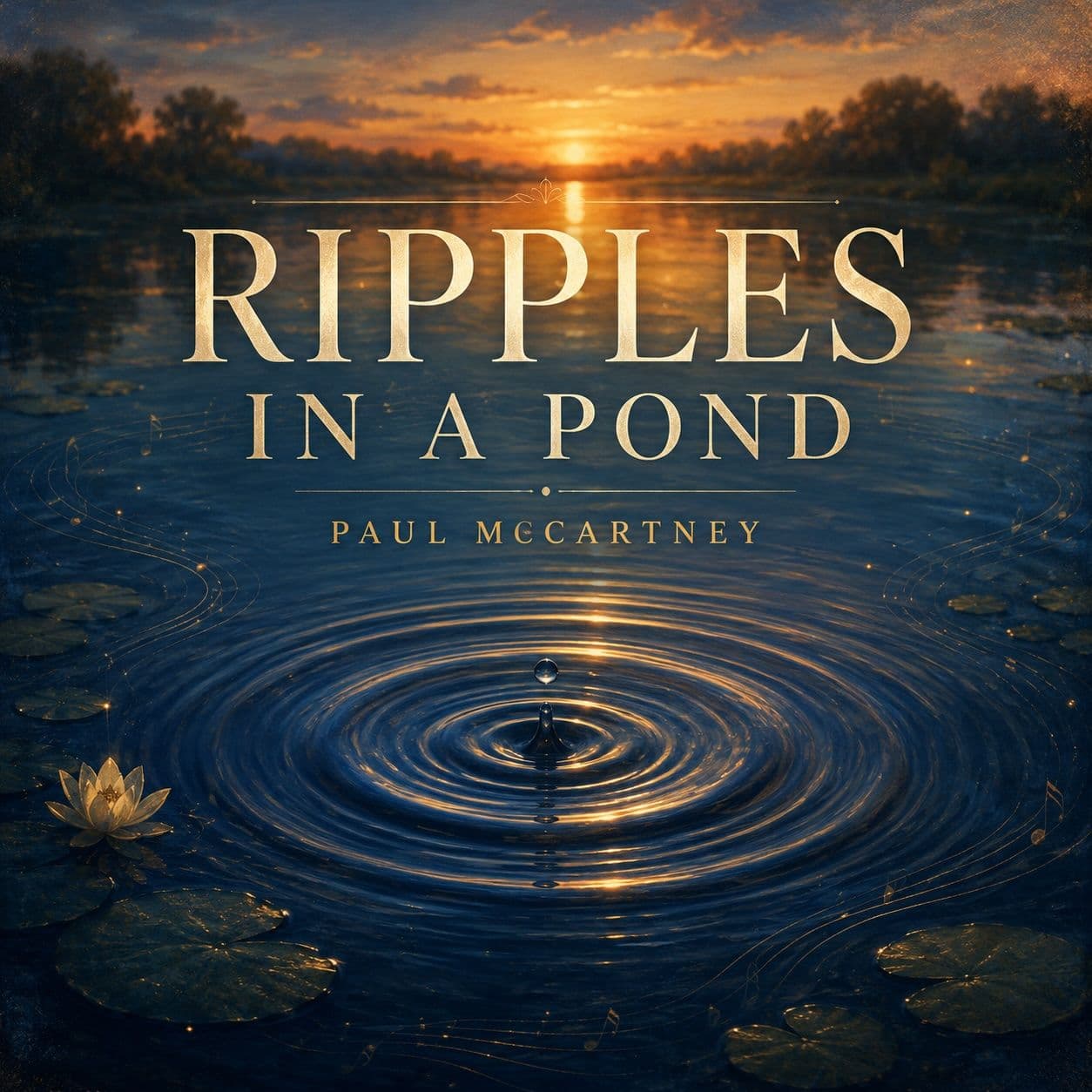
Paul McCartney’s “Ripples in a Pond” is a warm, late-career love song built around one of his most enduring strengths: making a small emotional gesture feel universal. Rather than chasing spectacle, the track leans into melody, gratitude, and romantic steadiness, turning the image of ripples spreading across water into a tender reflection on love’s lasting reach.
Kim Petras turns a demolished brutalist building from her childhood into a metaphor for her transition — her most vulnerable, least polished song, where restraint replaces the hooks and lands harder for it.
A darkly comic, twang-soaked revenge fantasy in which Childers promises to bite and infect an enemy should he ever catch rabies — unhinged, gleeful, and craftier than the gag lets on.
A 2002 blueprint where Pharrell and Chad Hugo build a hit out of almost nothing — a knocking lunchroom beat and acres of silence — and Pusha T and Malice fill the gaps with ice-cold coke-rap craft.
A sultry, trap-laced R&B slow burn that pairs kwn’s atmospheric coolness with Kehlani’s velvet directness. The hook is economical, the chemistry is the production, and neither singer wastes a syllable.
Charli xcx reimagines the Spring/Summer 2026 fashion season as the end of the world — a cold, deadpan, deliberately anti-climactic art-pop piece where the empty space and the runway film do half the storytelling.
The opener to Neon Grey Midnight Green is a chamber-scaled alt-country ballad that grieves a string of lost friends by reframing a person as the place you were always heading — vivid, mythic, and unmistakably hers.
A defiant, plainspoken alt-country anthem with a real lineage — Kristofferson to Sinéad O’Connor to Price — that mostly dodges the slogan trap through sheer grit and specificity.
A preacher’s son trades the streets of gold for red dirt and a bluesy half-time groove — a clever afterlife conceit that’s more charming than profound, but charming enough to forgive the gap.
A quietly devastating country ballad that skips the funeral for the worse part — the silence after the dishes are returned and the world expects you to be fine. Whitters earns its small image instead of leaning on it.
An America’s Got Talent alum aims a glittering ’80s disco-pop hook at modern dread — keytar solos, ABBA shine, and the conclusion that if the good men are gone, you’d best become one.
MUNA’s most overtly political song trades synth-pop gloss for furious, rock-leaning directness — a protest track, first released to fund Gaza aid, that names names where it could have gestured.
A flirty, fiddle-kicking neo-traditional charmer where Whitters sells herself to a man chasing the wrong woman — a classic country premise delivered with a wink and a Gold-certified hook.
A tender, fiddle-and-steel country ballad about working a lifetime for one person — plainspoken to the point of grace, and given a second, braver life by its Appalachian-love-story video.
A nervy, sample-driven single where Doechii turns a viral hook into a study of a racing mind — alternating rap and song over a recycled Gotye loop, with cadence standing in for the symptom itself.
A warm, horn-kissed soul-pop single that dresses the fear of falling for someone in 60s Motown shuffle and Dean’s easy, unforced vocal — old-fashioned in the best way, and built to last.
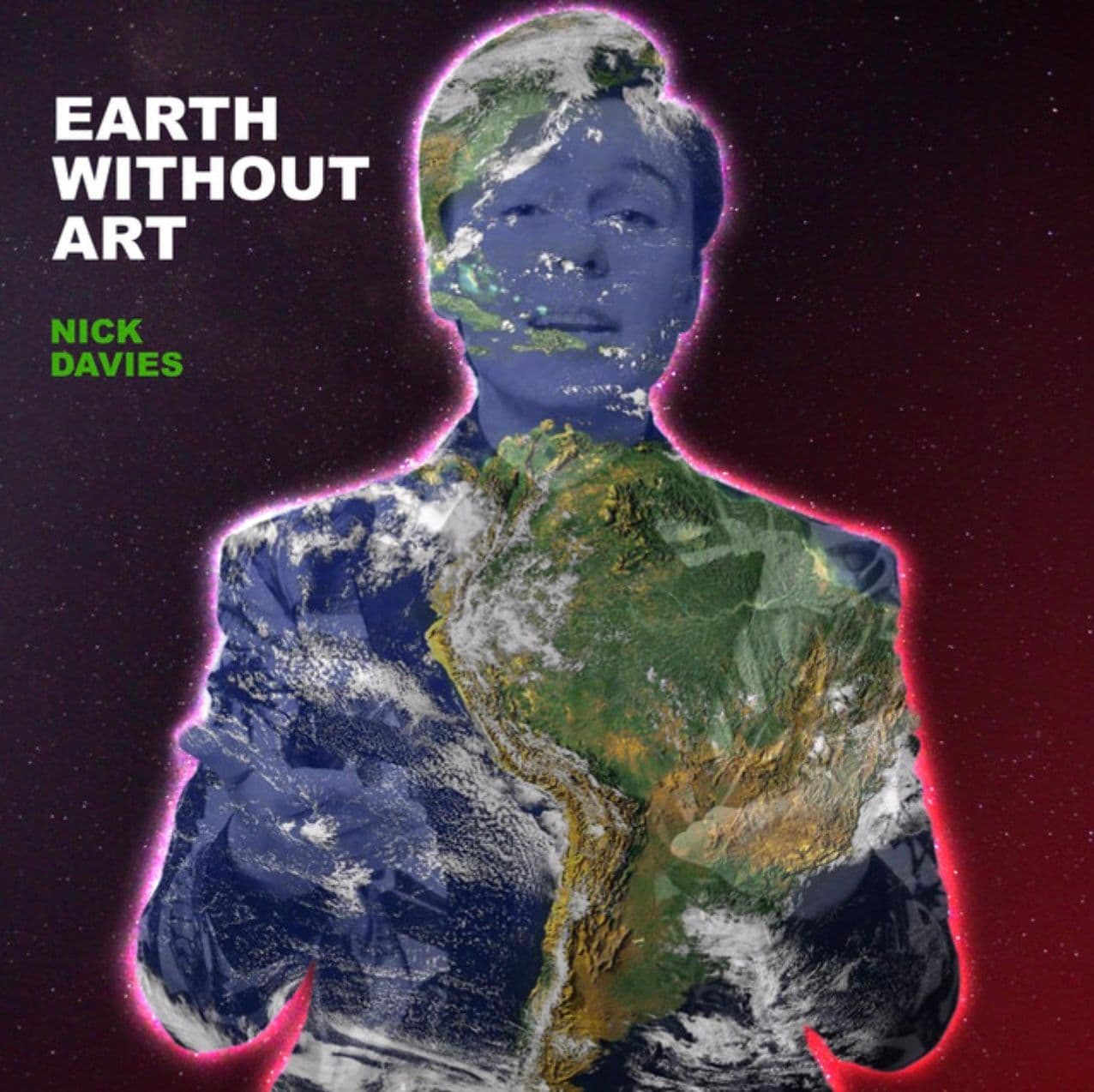
Nick Davies’ “Earth Without Art” is more than a piano-pop anthem about creativity — it is a direct plea from an artist watching an entire industry collapse in real time. Written from the perspective of musicians and performers facing the sudden loss of work, purpose, and stability, the song turns pandemic-era uncertainty into a heartfelt argument for why art is not optional. It is livelihood, identity, memory, and in some cases, the reason people keep going.
A theatrical, dialogue-driven boom-bap cut where Doechii plays both patient and analyst, narrating her way through a cheating ex and her own evasions — storytelling rap with the timing of a one-woman play.
A sub-three-minute Jersey-club-flecked smash that pairs PinkPantheress’s breathy insecurity with Ice Spice’s deadpan Bronx swagger — pop economy so tight there’s nothing left to cut.
A jazz-rap set piece from the concept album Magic, Alive! where Dixon’s literary verses and a live band that keeps shifting underfoot turn grief into motion — verses built to reward the second and third listen.
A gospel-laced soul-pop charmer built on a splashy keyboard riff and an upward-tilting chorus — warm, grooving, and quietly radical in how confidently it states its terms.
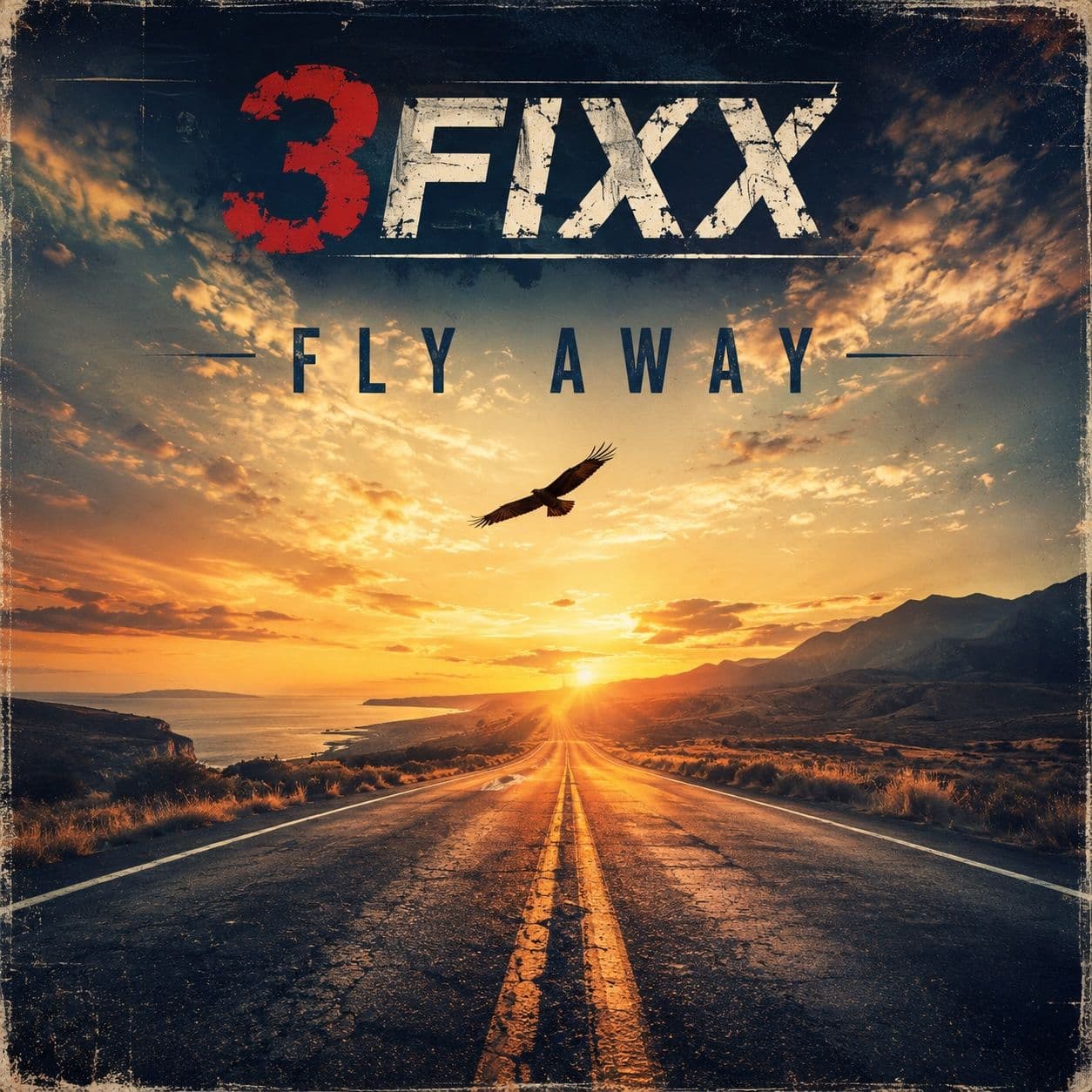
3fixx’s “Fly Away” is a sincere, guitar-driven rock track built around the familiar but durable desire to break free from whatever has become too heavy to carry. With its classic-rock instincts, steady melodic shape, and unpretentious independent spirit, the song feels less interested in chasing trends than in capturing the emotional release of movement, distance, and starting again.
Swedish Idol alum Sebastian Rydgren opens his new chapter with a house-pulsed pop single about a romance that exists only in his head — and makes the fantasy gleam brighter than most real things.
A brass-blasted, theatrically staged soul-pop number that turns the search for a life partner into a one-woman show — maximalist, funny, and just self-aware enough to keep the over-the-top production on the right side of irresistible.
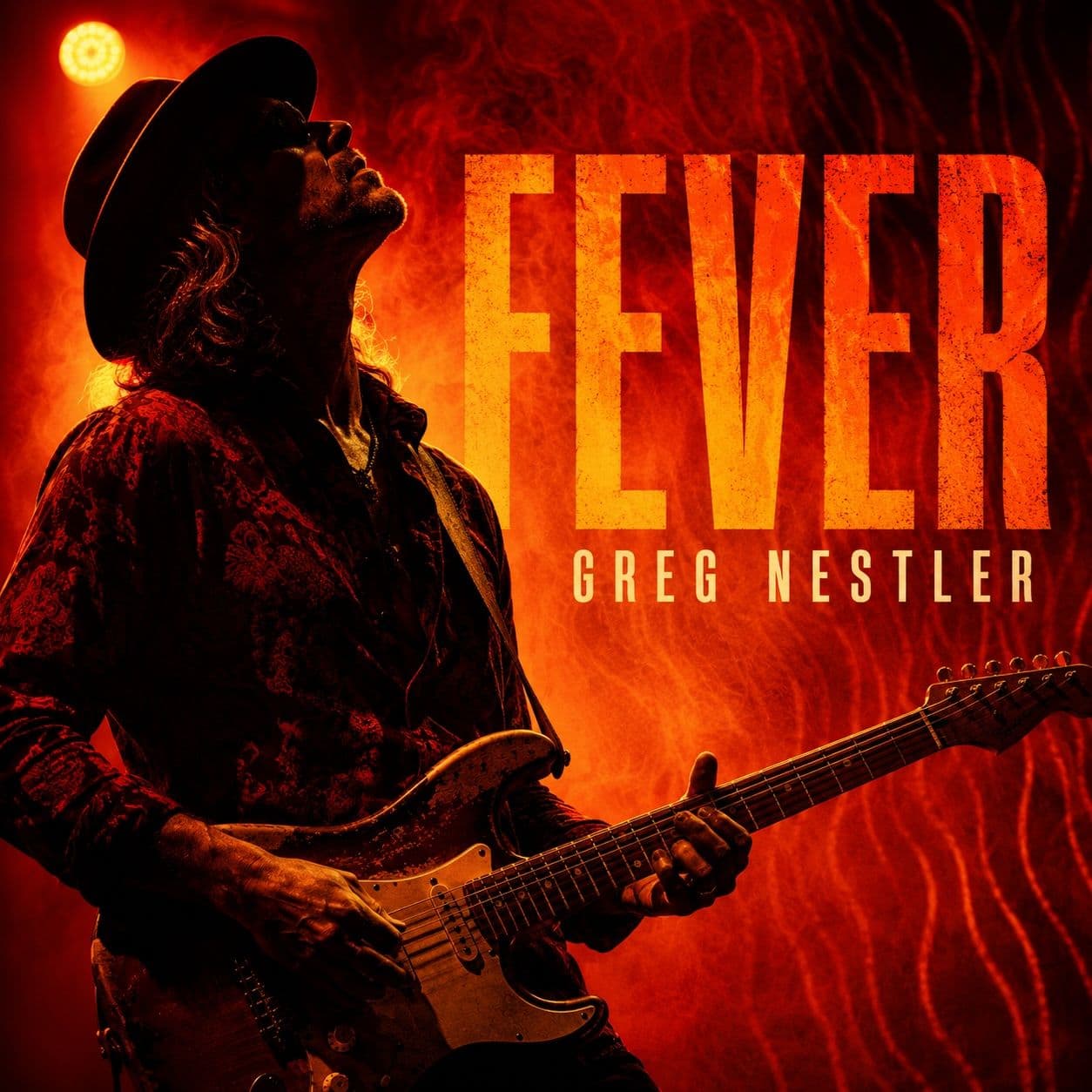
Greg Nestler’s “Fever” is a tight, groove-driven slice of funk-blues rock that leans into feel, rhythm, and heat. Built around soulful vocals, dynamic guitar work, and a confident live-band energy, the track captures the sound of an artist who understands that blues-rock is not just about volume or grit — it is about tension, release, and the pulse underneath it all.
Jade Thirlwall’s second solo single weaponises pop maximalism — a vocal showcase that slams into thick electro-pop drums — to settle scores with an industry that treated her as a product. Concept and chorus arrive at the same volume.
A heavyweight Clipse reunion cut where Pusha T’s cold coke-rap calculus, Malice’s spiritual dread, and a state-of-the-union Kendrick verse all push against the same double-edged title — and Pharrell’s spare production gives every word the room it needs.
The Newfoundland-born rapper strips down to an acoustic confessional about masculine silence — sung more than rapped, with the rap discipline still audible in every line break.
A Phoenix alt-rock band measures the life millennials were promised against the one that arrived — brooding verses, detonating choruses, and a pageant-crown image that cuts both ways.
The closing chapter of a 15-year-old LA songwriter’s high-school trilogy turns hallway gossip into a jangly, bass-driven hook — gone in under two and a half minutes and back in your head a moment later.
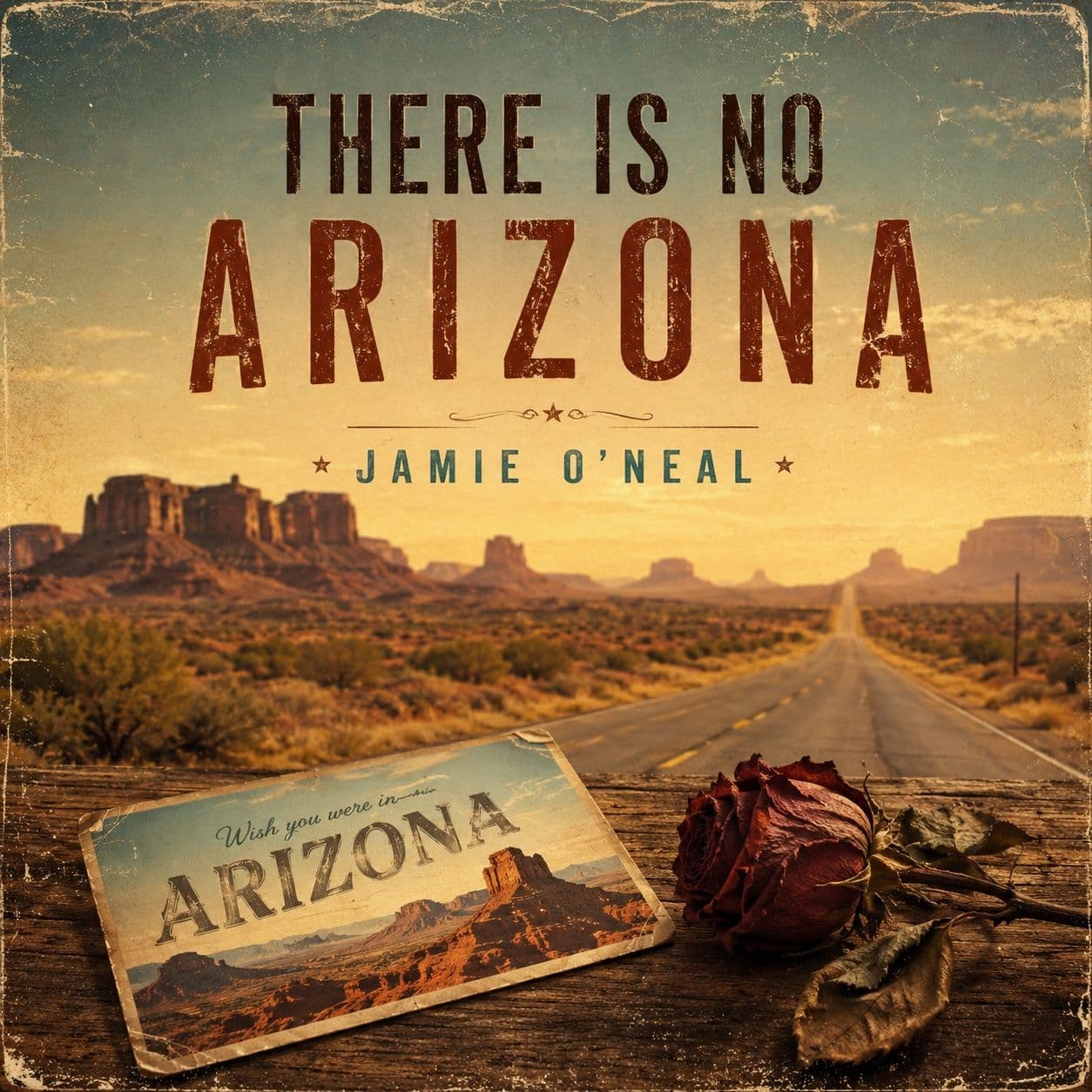
Jamie O’Neal’s “There Is No Arizona” remains a masterclass in country-pop storytelling: a breakup song built not around a fight, but around the slow death of belief. With its desert imagery, aching vocal restraint, and devastating central metaphor, the track turns Arizona into something bigger than a place. It becomes a promise, a fantasy, and eventually, the proof that the person she was waiting for was never really coming back.
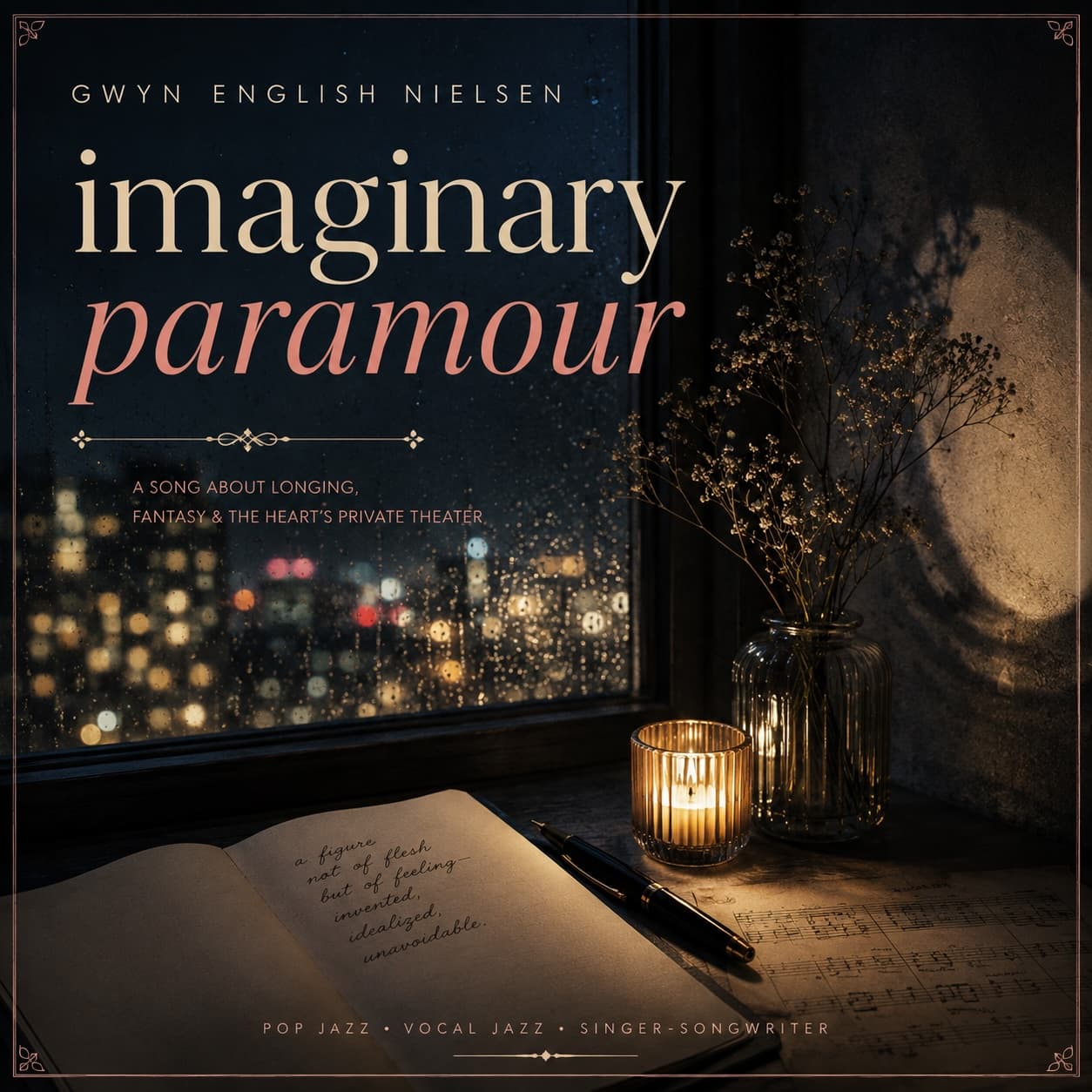
Gwyn English Nielsen’s “Imaginary Paramour” is a graceful pop-jazz character piece — elegant, literate, and gently theatrical — that frames romance as a private theater of longing and carries it on a vocal performance built around the power of restraint.
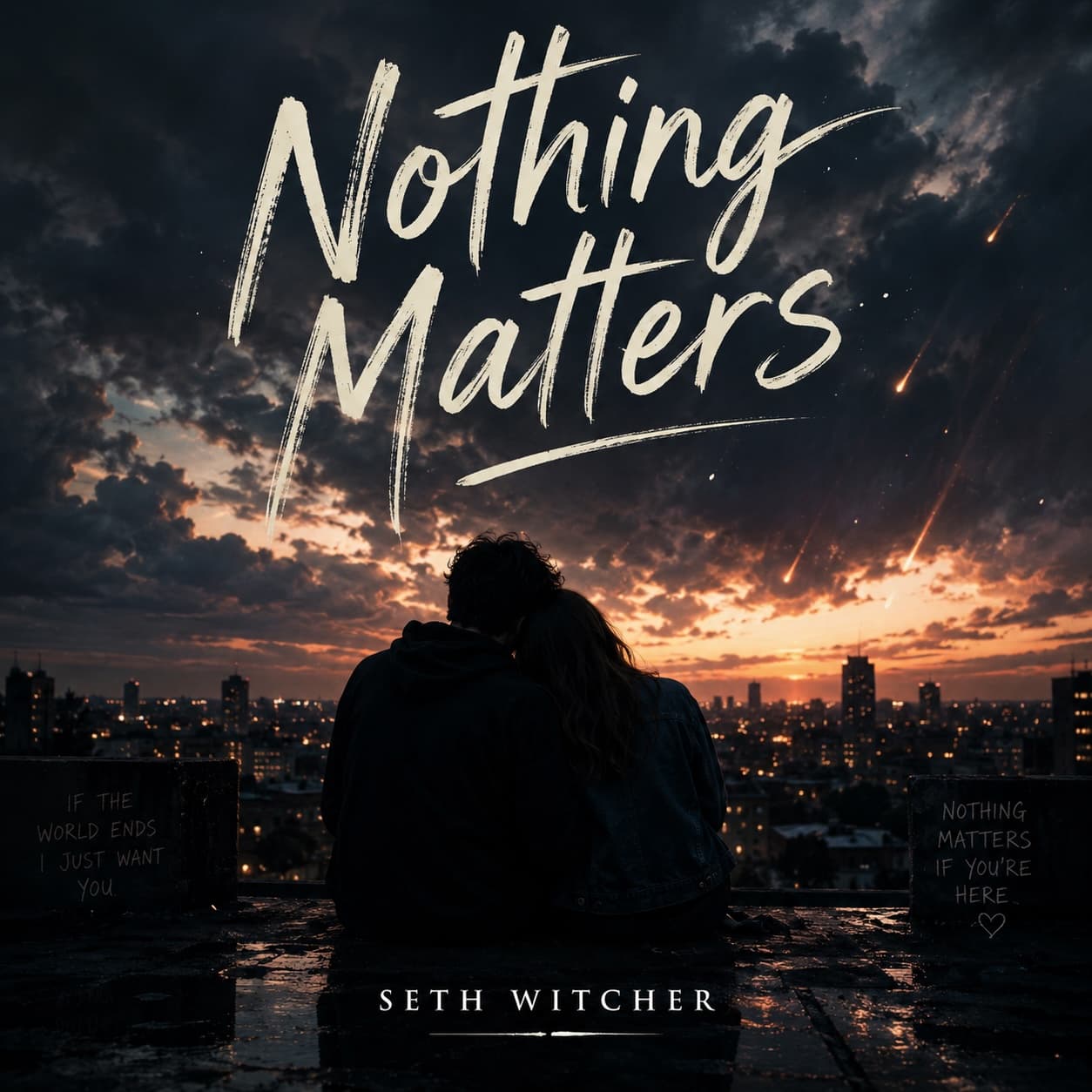
Seth Witcher’s “Nothing Matters” is a heartfelt emo-pop confession that turns end-of-the-world romance into something intimate and wounded — earnest almost to the point of risk, with a strong melodic center and a vocal willing to sound exposed.
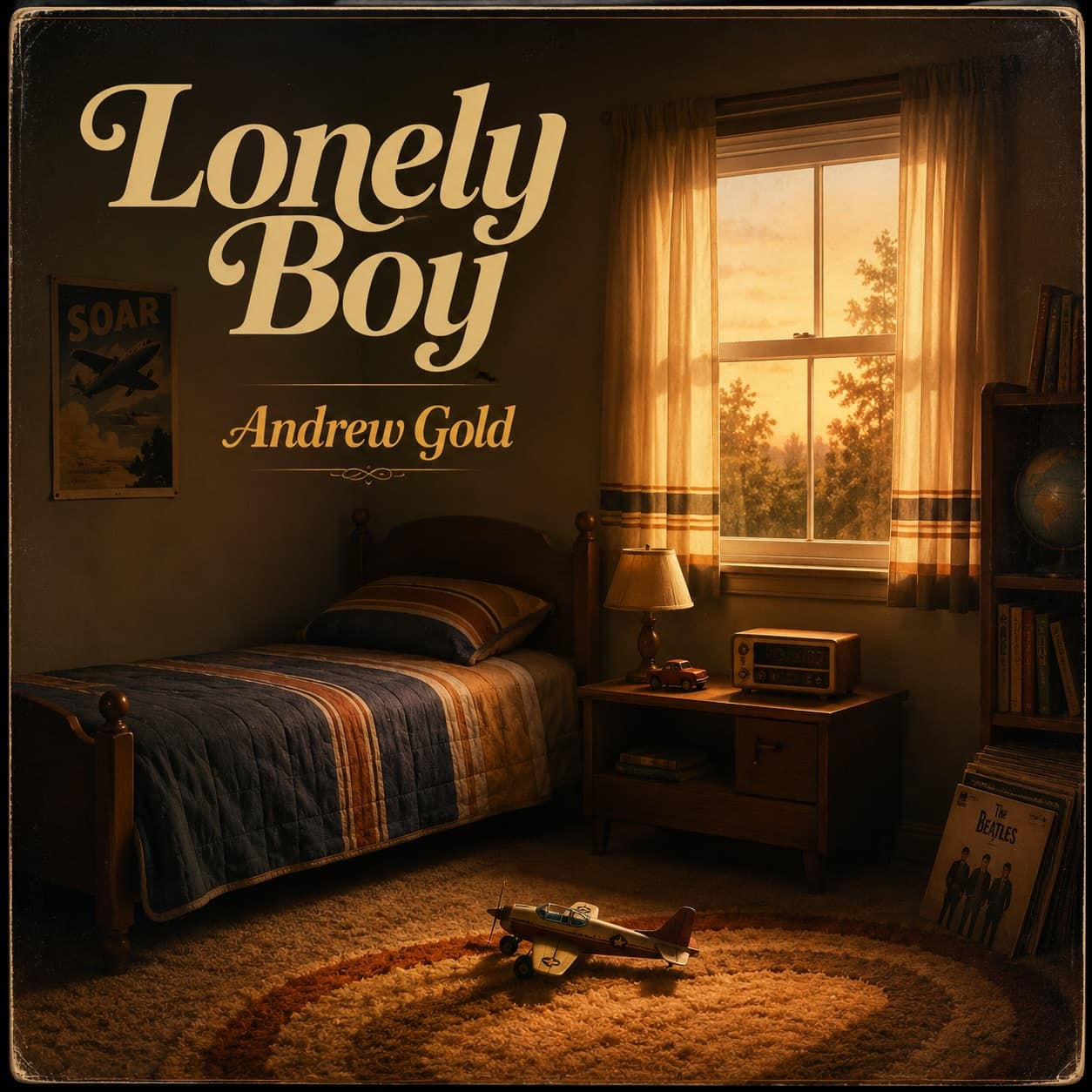
Andrew Gold’s 1977 hit “Lonely Boy” sounds like gleaming Los Angeles soft rock, but underneath the flawless Peter Asher production sits a comically bitter character study — a firstborn turning childhood resentment into lifelong mythology, and making self-pity irresistibly catchy.
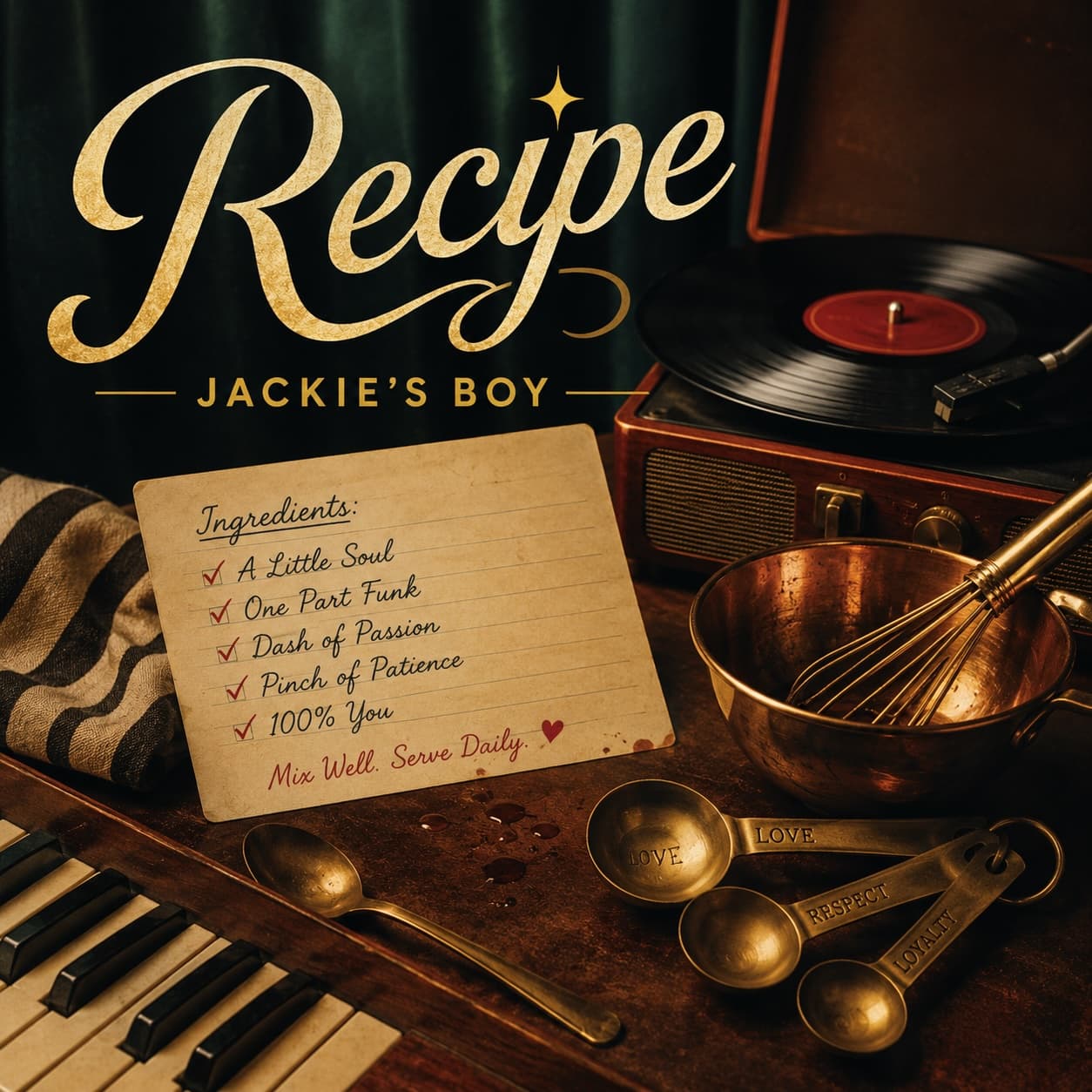
Jackie’s Boy’s 2022 single “Recipe” is a bright, theatrical, funk-laced R&B song that turns love into a recipe — slick, flirtatious, and built for full-stage showmanship, with enough vocal command to keep the playful concept from tipping into novelty.
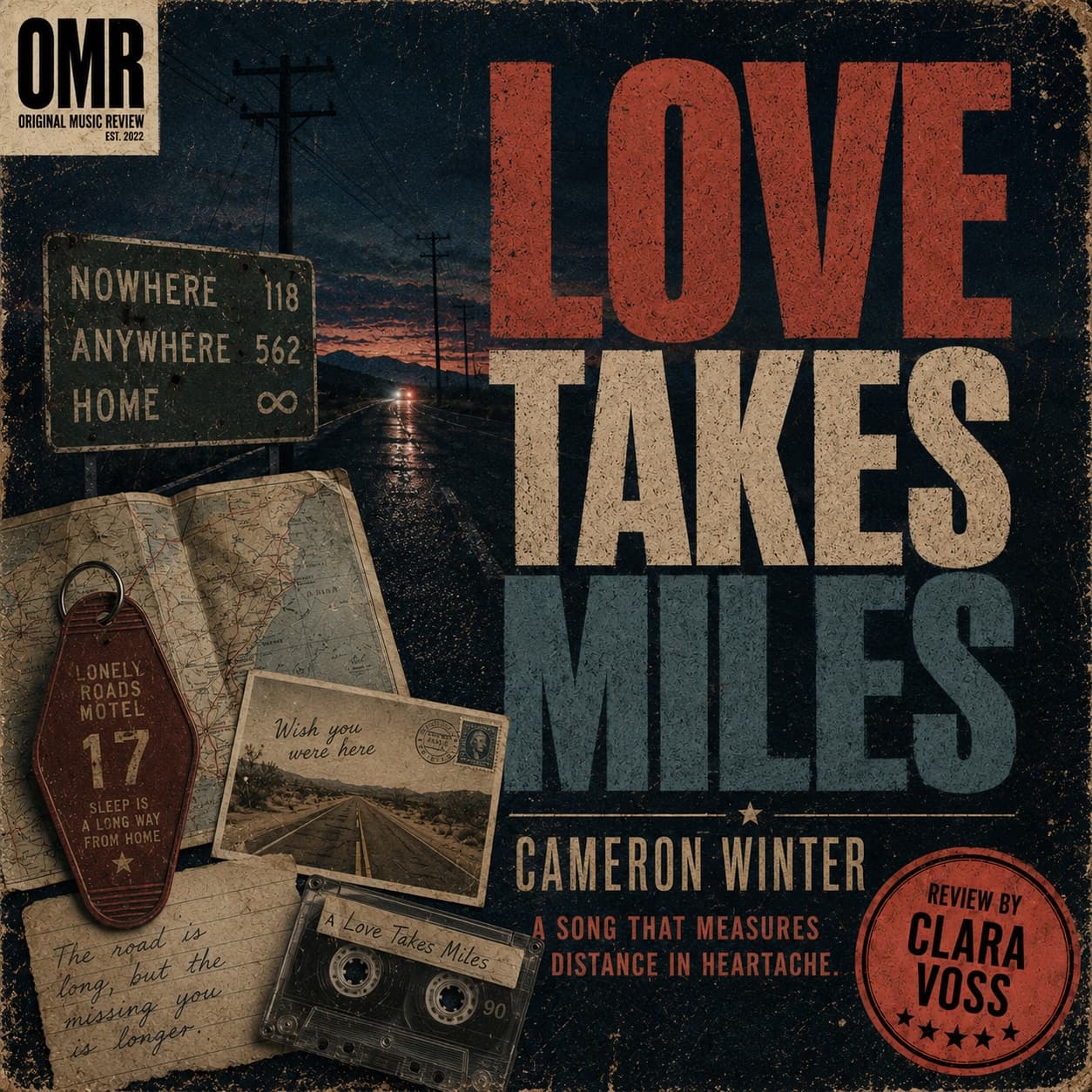
Cameron Winter’s “Love Takes Miles,” from his 2024 album Heavy Metal, is a theatrical, unsteady singer-songwriter confession that treats love as endurance rather than arrival — exhausting, strange, funny around the edges, and quietly unforgettable.
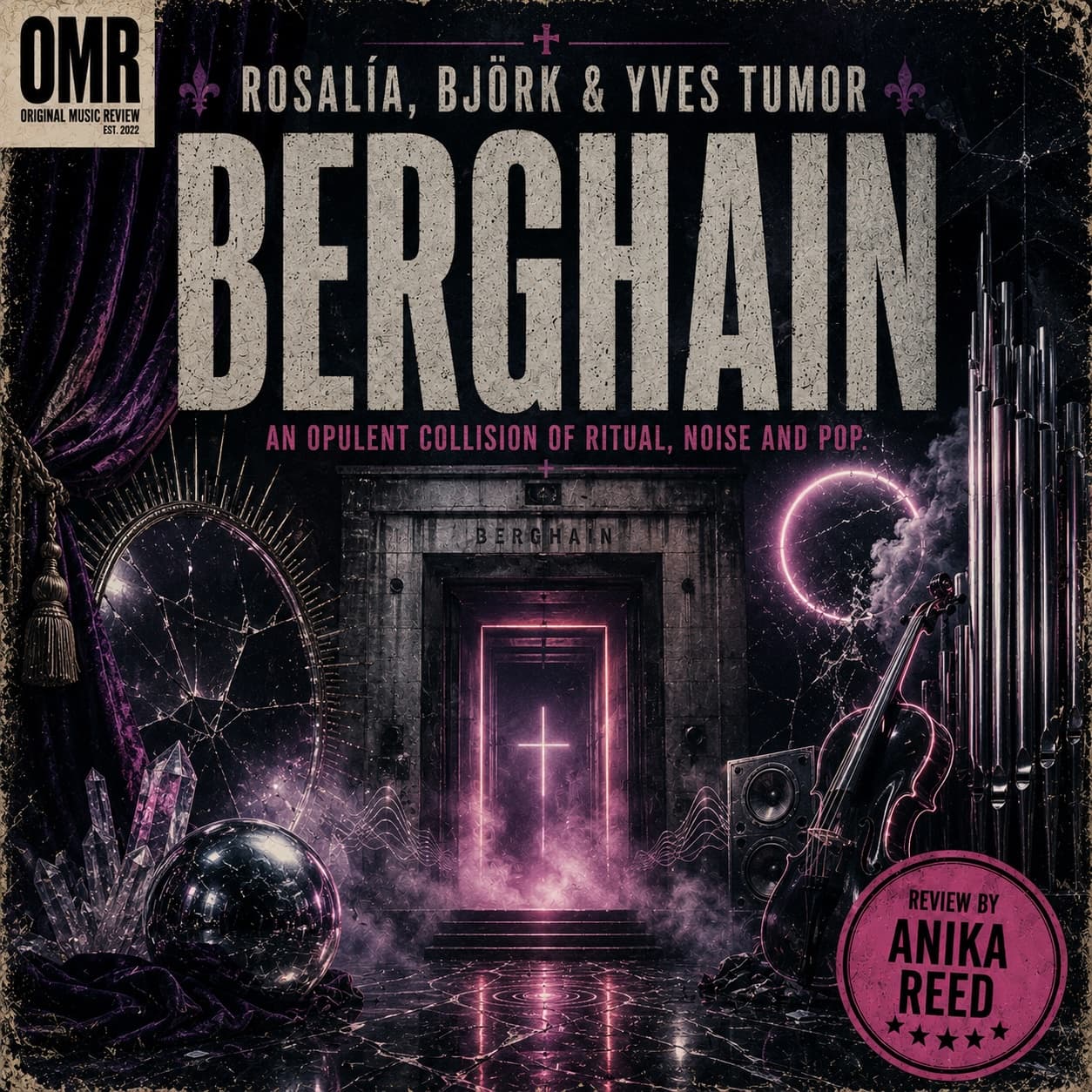
“Berghain,” the lead single from ROSALÍA’s 2025 album Lux, is a collision staged inside a cathedral, a nightclub, and a fever dream at the same time — orchestral, ritualistic, dangerously glossy, and excessive enough to argue with.
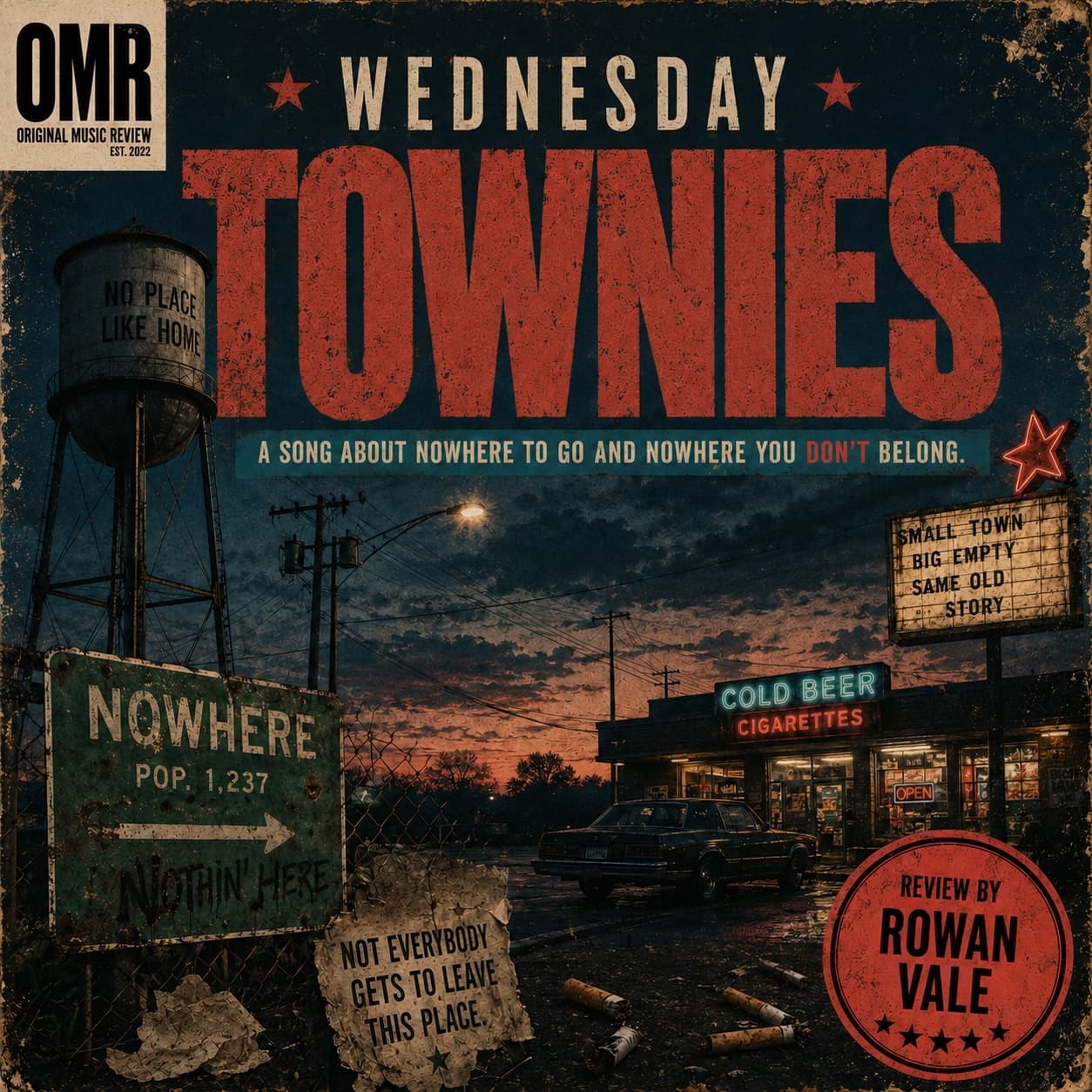
Wednesday’s “Townies,” from 2025’s Bleeds, is a ragged, brightly-paced indie-rock song that turns small-town memory into emotional static — alt-country storytelling distorted into something rumored, mythologized, and quietly devastating.
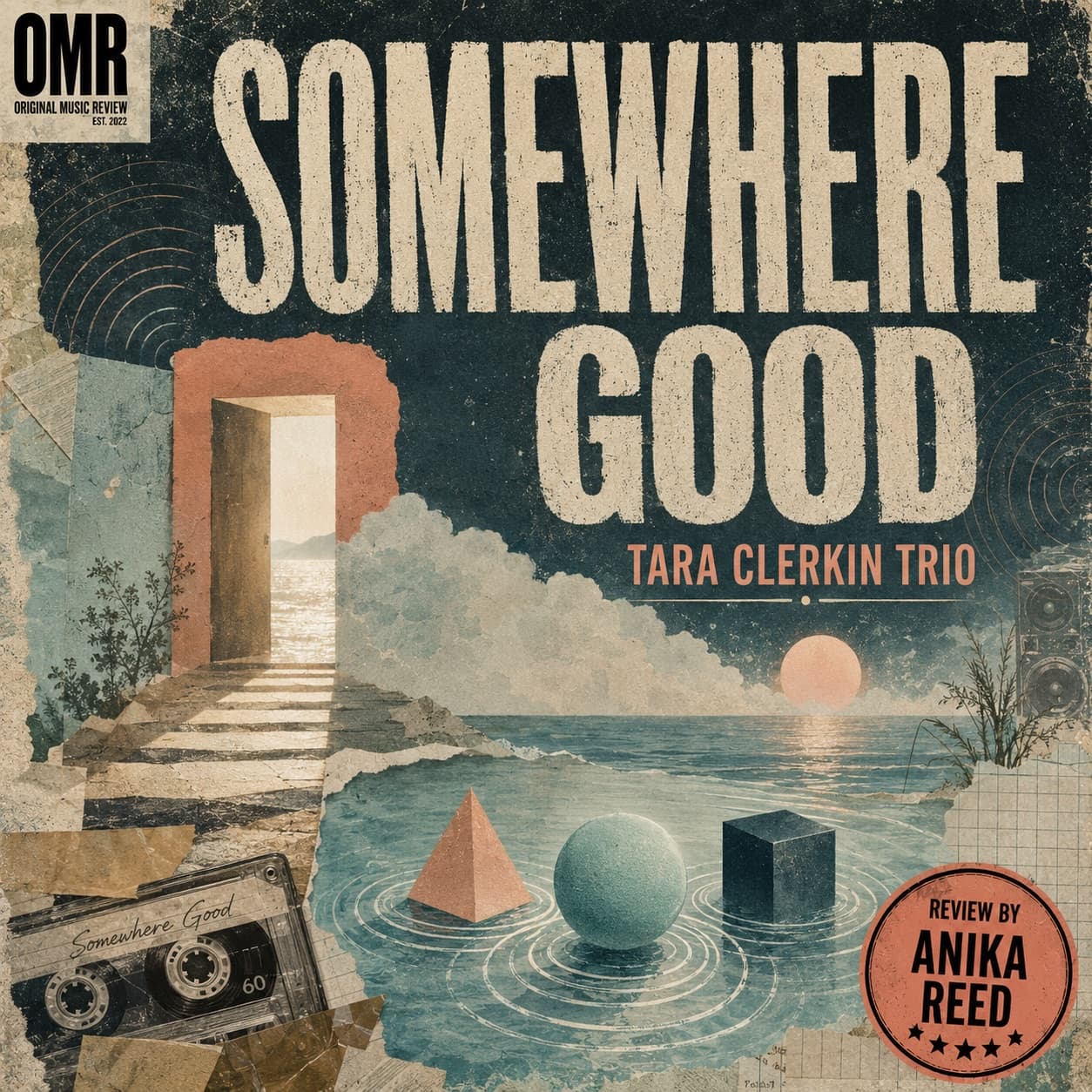
Tara Clerkin Trio’s “Somewhere Good,” the title track of their June 2026 World of Echo release, is a weather-system of a song — minimalist jazz, dub, trip-hop, and avant-pop assembled out of breath, wood, and circuitry.
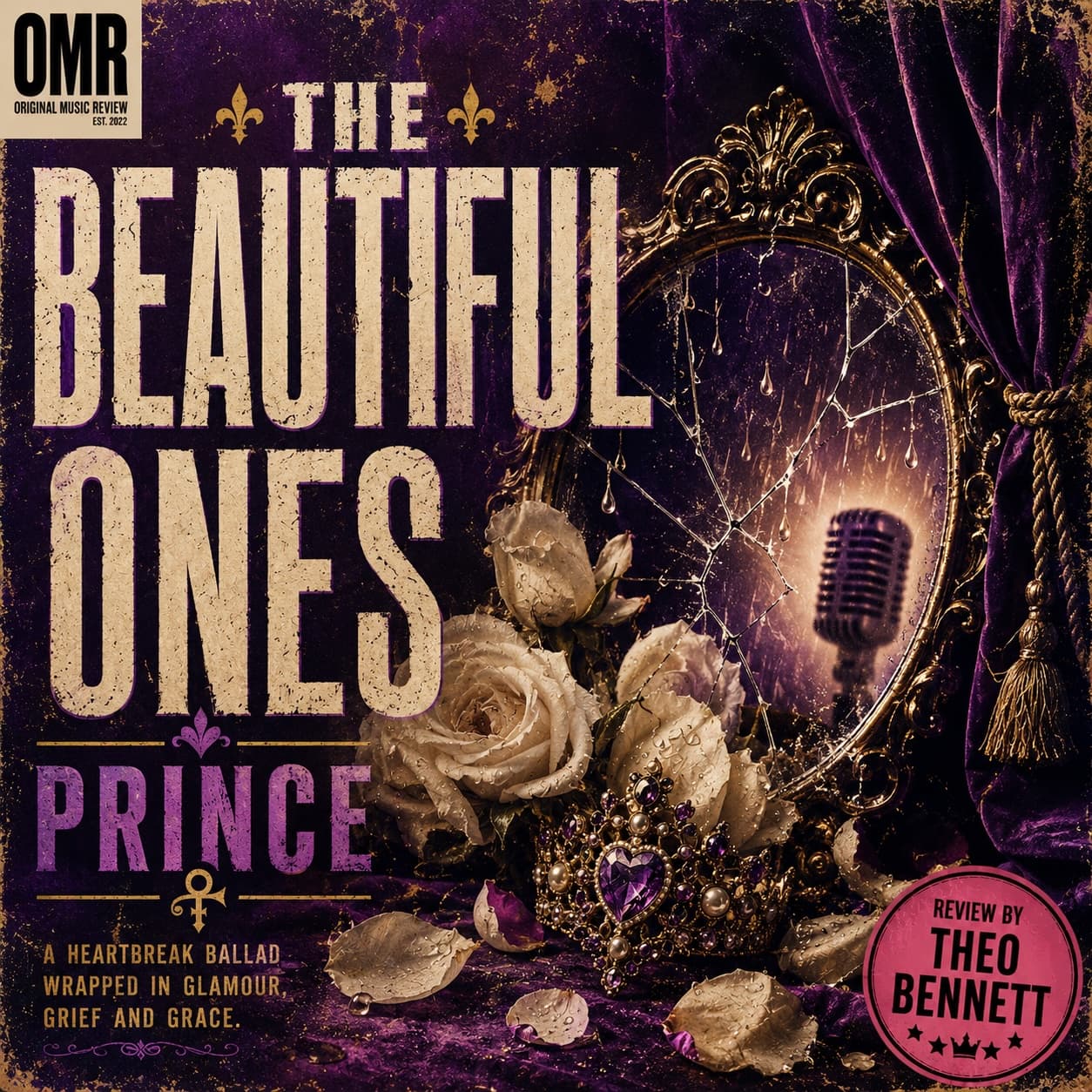
Prince’s “The Beautiful Ones,” from 1984’s Purple Rain, is a controlled emotional detonation disguised as a ballad — fragile, jealous, pleading, and finally torn open by one of the most famous screams in pop music.
CMAT’s “EURO-COUNTRY” is big, strange, clever, bruised pop music — the title track of her 2025 third album, a politically charged country-pop statement that refuses to choose between sincerity and spectacle.
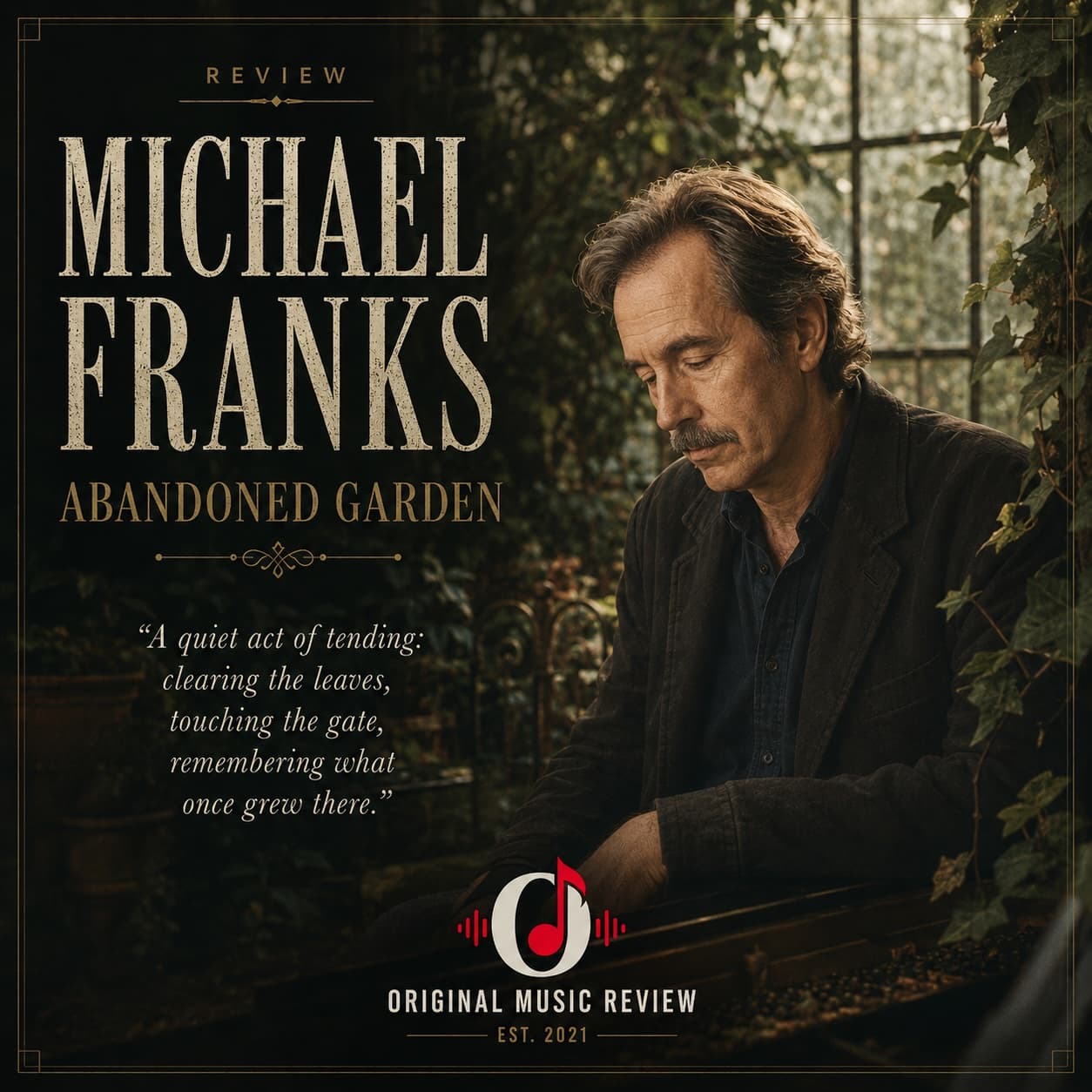
Michael Franks’ “Abandoned Garden” is a hushed, graceful, quietly devastating vocal-jazz piece from his 1995 album of the same name, dedicated to Antônio Carlos Jobim and built around emotional economy rather than display.
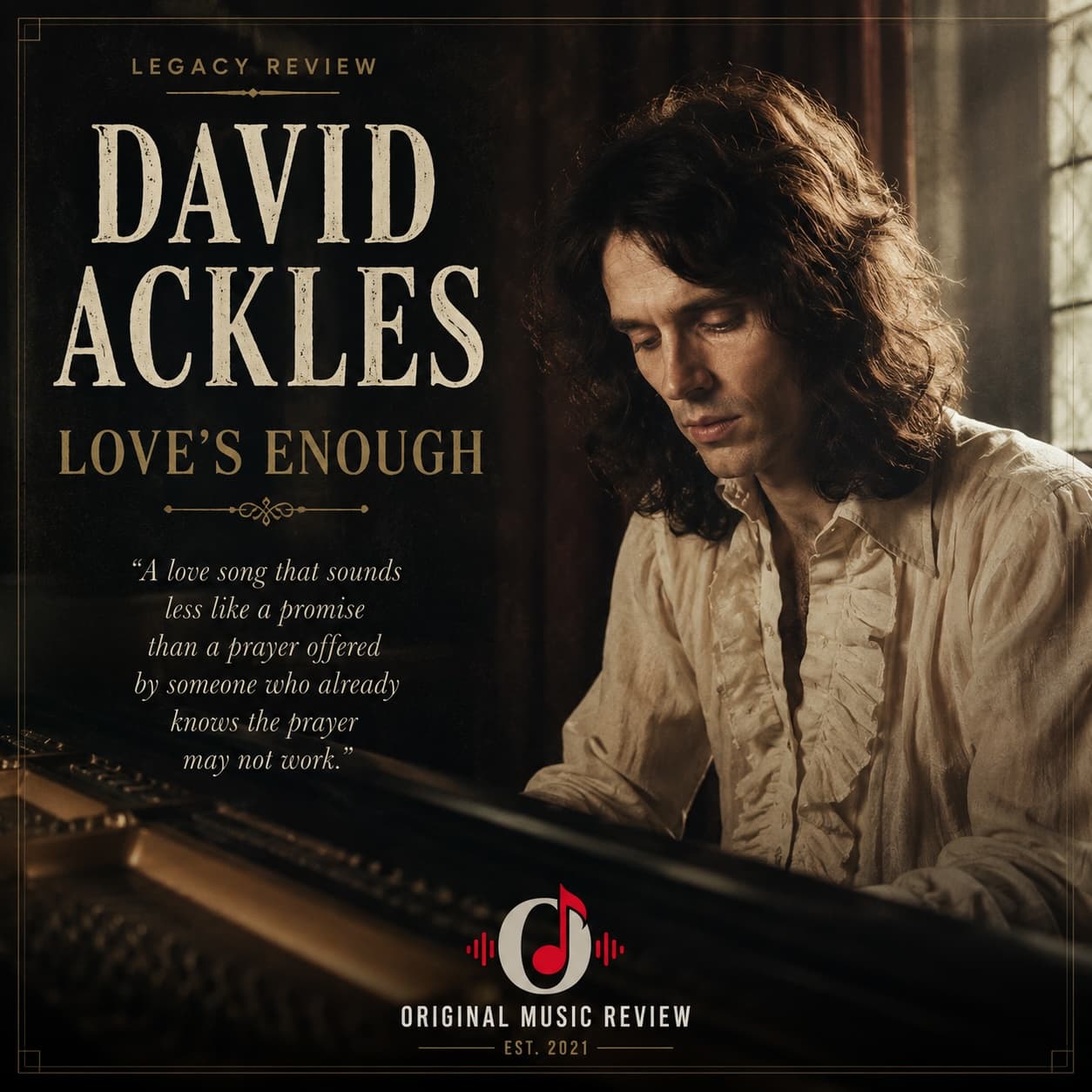
David Ackles’ “Love’s Enough” is a small masterpiece of vulnerable songwriting from 1972’s American Gothic — tender, theatrical, quietly devastating, and brave enough to make sincerity feel dangerous.
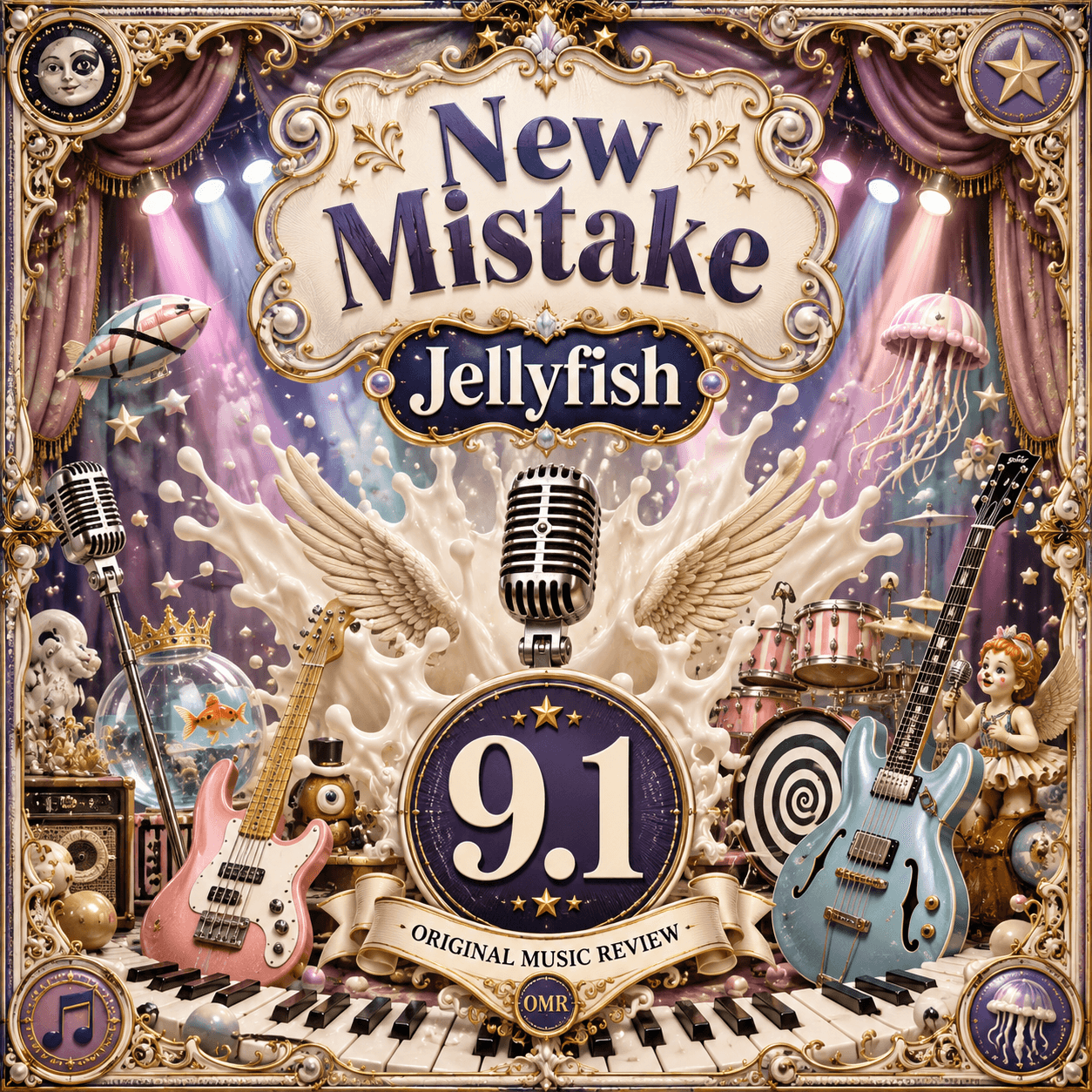
Jellyfish’s “New Mistake” is power-pop at its most dazzling and faintly unhinged — a 1993 Spilt Milk highlight that stacks Queen harmonies, Beatles chord changes, and theatrical arrangement craft over a chorus engineered to feel like it has always existed.
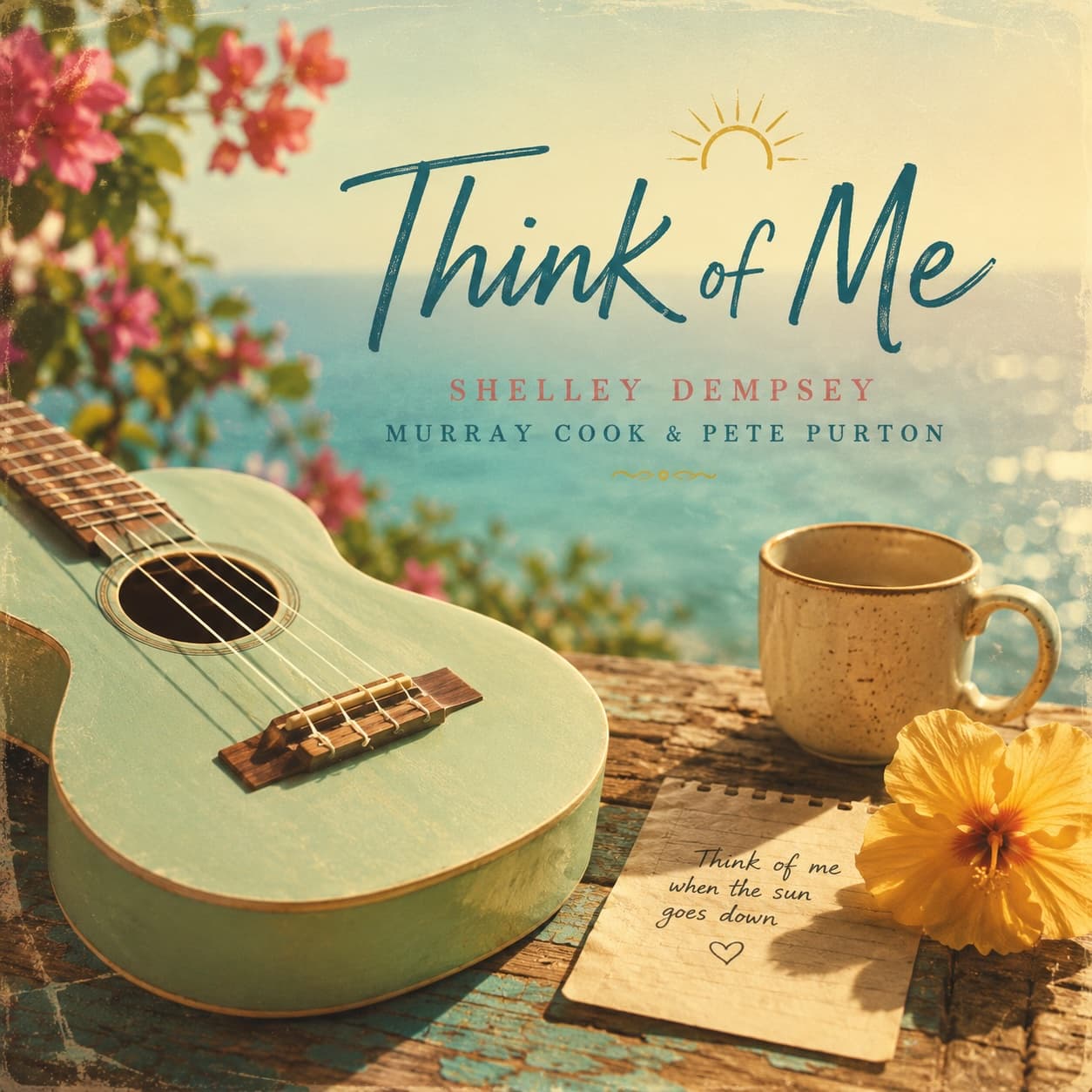
Shelley Dempsey’s “Think of Me”, written with Murray Cook and Pete Purton, is a warm, unpretentious acoustic-pop song with handmade charm, a gentle melody, and sunny folk-pop simplicity.
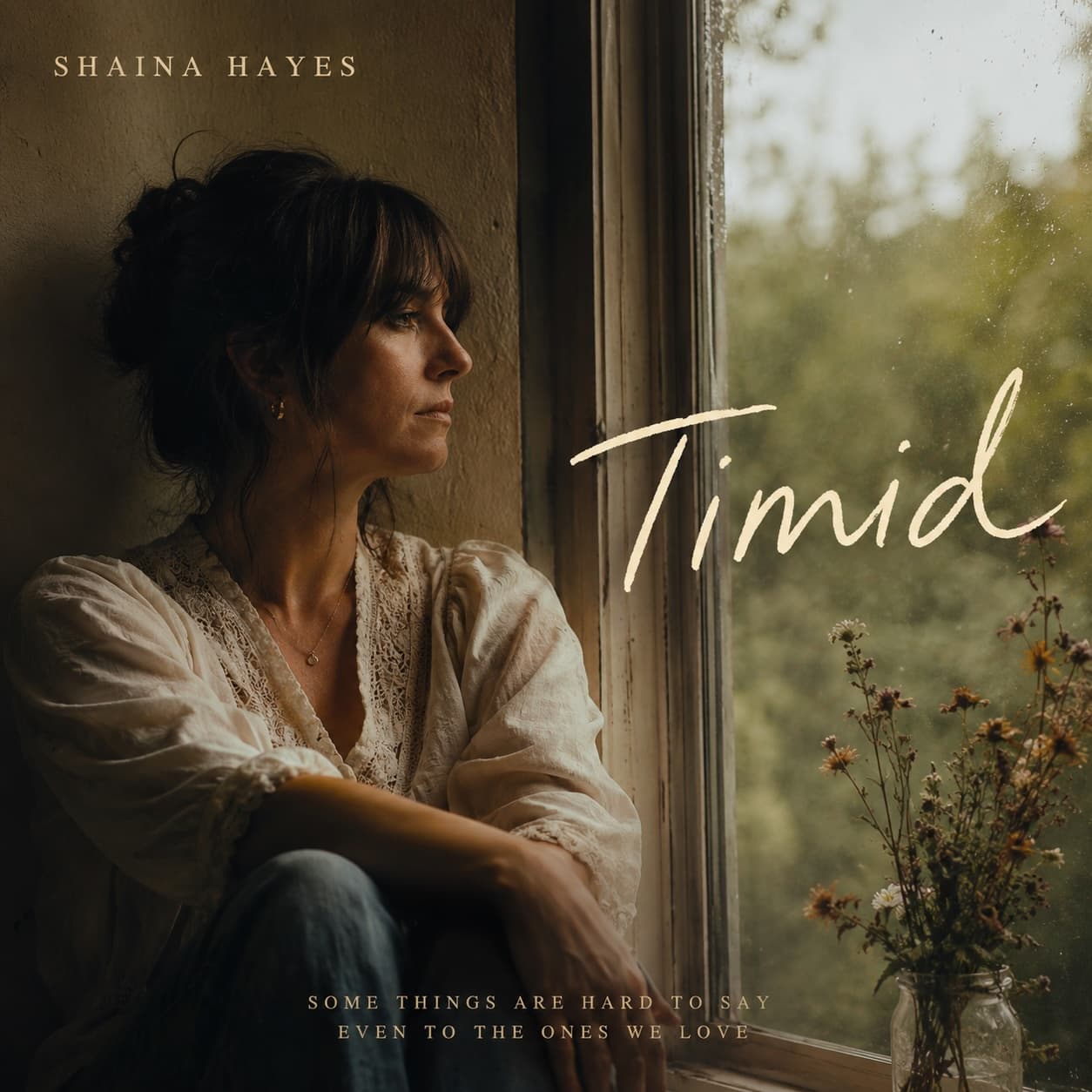
Shaina Hayes’ “Timid” is a beautifully restrained indie-folk song about the inner life that remains just out of reach of language — warm, thoughtful, and quietly magnetic.
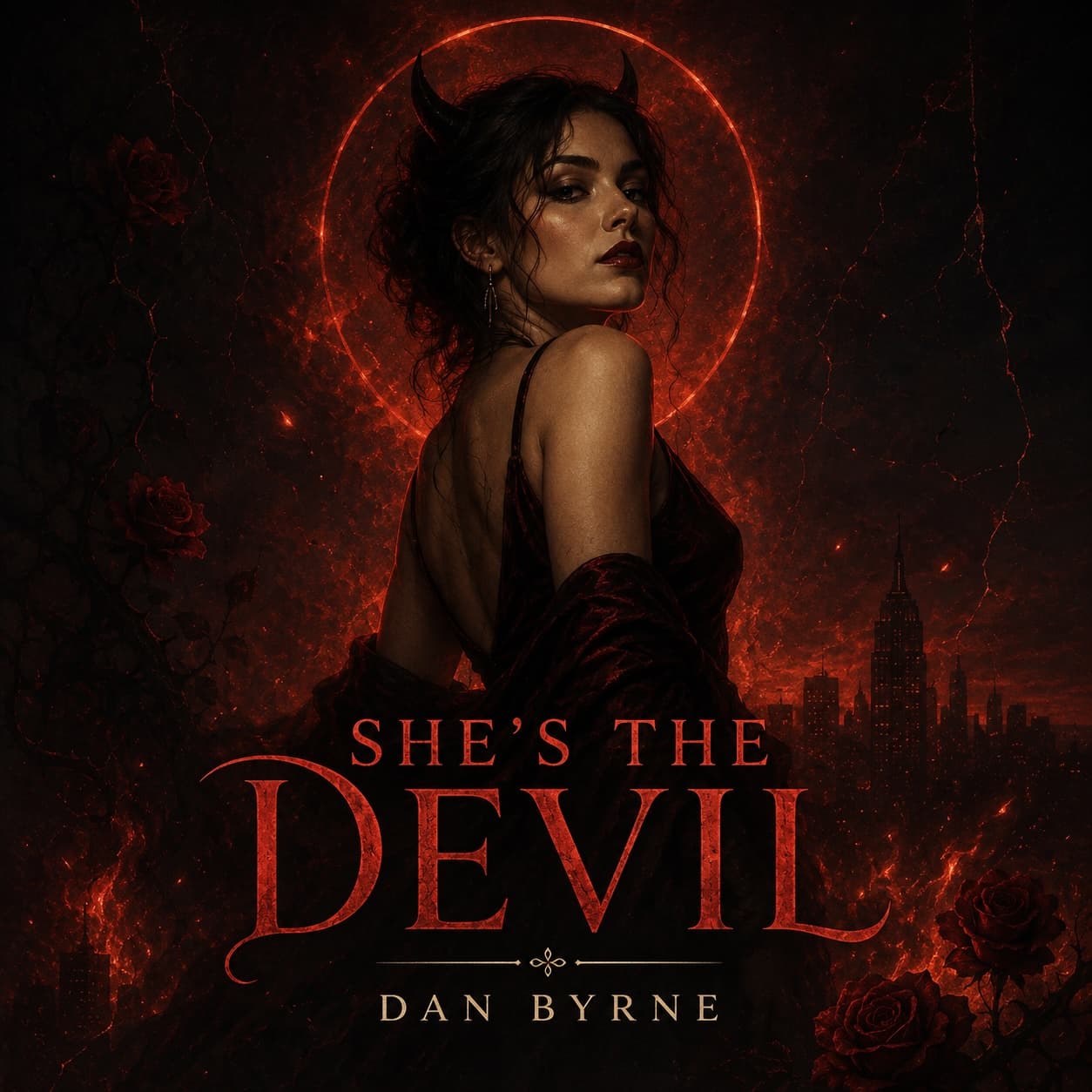
Dan Byrne’s “She’s The Devil” is a confident, unapologetic blues-rock single from a UK voice that clearly knows what it wants the song to sound like — and what it doesn’t want it to apologise for. It’s a Frontiers Music srl release from his debut album, due May 22, 2026.
“Sunbeam” by Nitecap and Collin Miller & the Brother Nature is a warm, fluid jazz-soul groove with a strong sense of atmosphere and emotional ease — understated, romantic, and quietly magnetic.
Rilo Kiley’s “With Arms Outstretched” is one of the great quiet anthems of early-2000s indie rock — a slow-burning acoustic song that turns longing, time, vulnerability, and emotional surrender into something communal by the end.
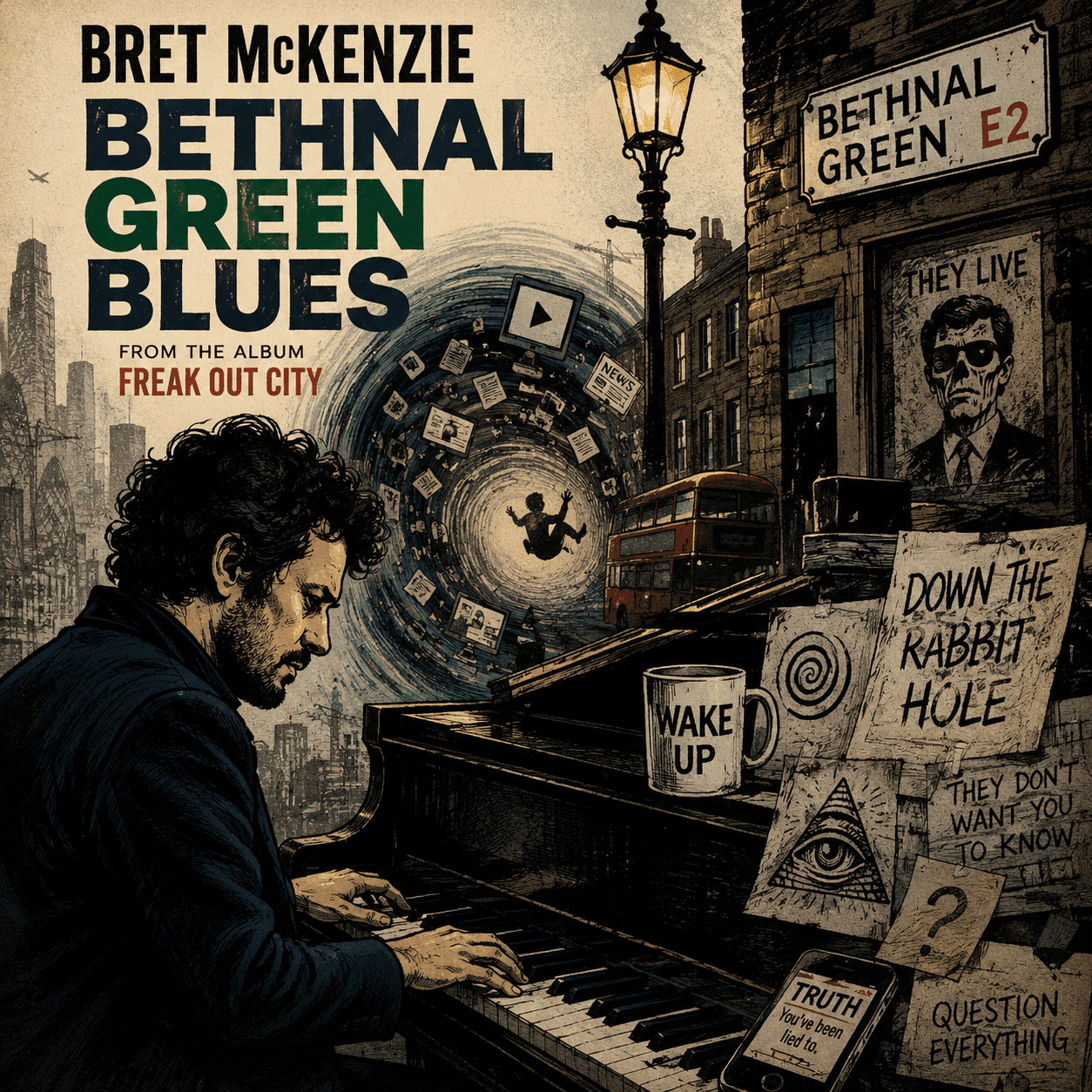
A sly, anxious, and unexpectedly timely Bret McKenzie song that turns conspiracy-era paranoia into a piano-pop character study with comic timing and real unease underneath.
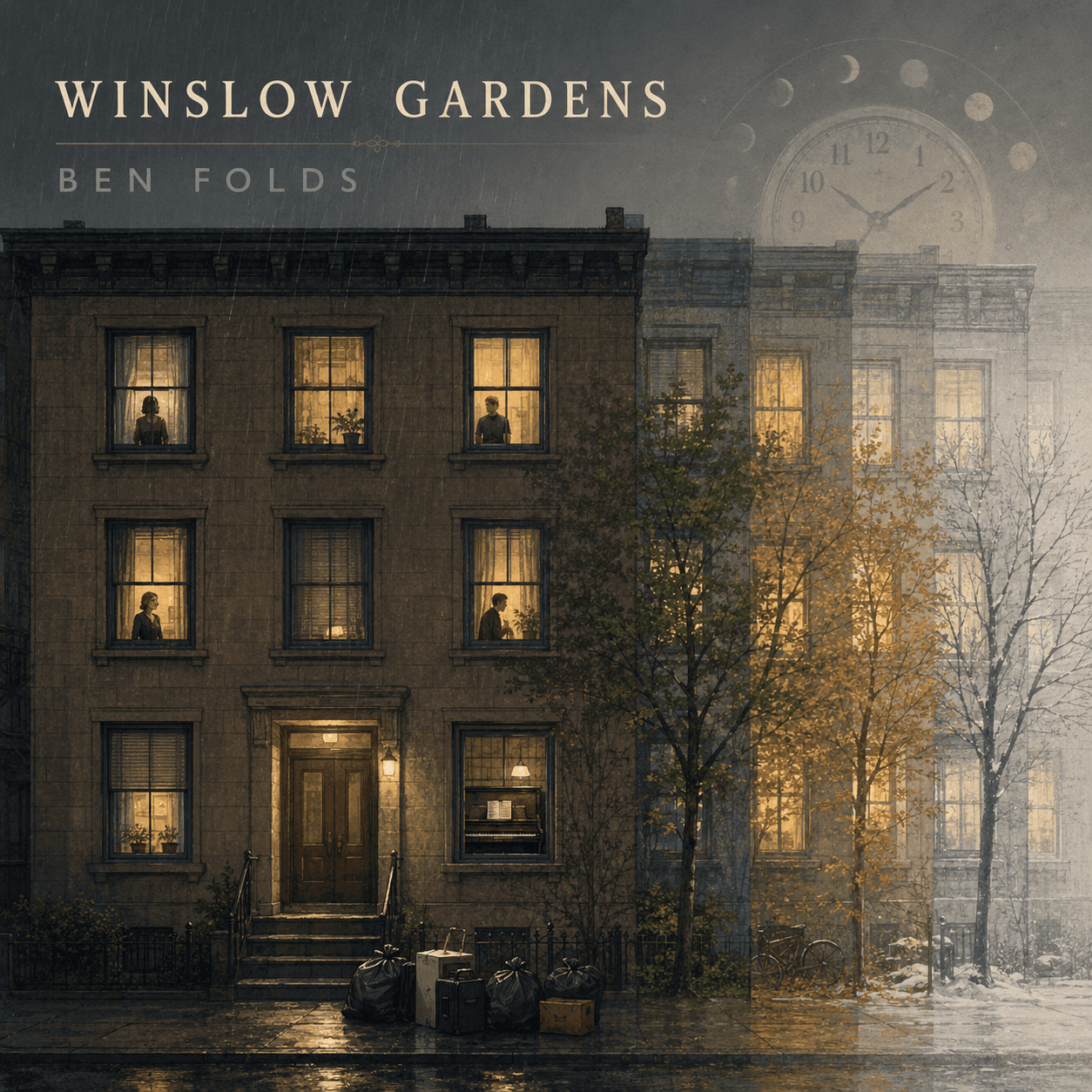
A beautifully compressed Ben Folds character study that turns an apartment, a crisis, and the passing of time into one of his most quietly effective late-career songs.
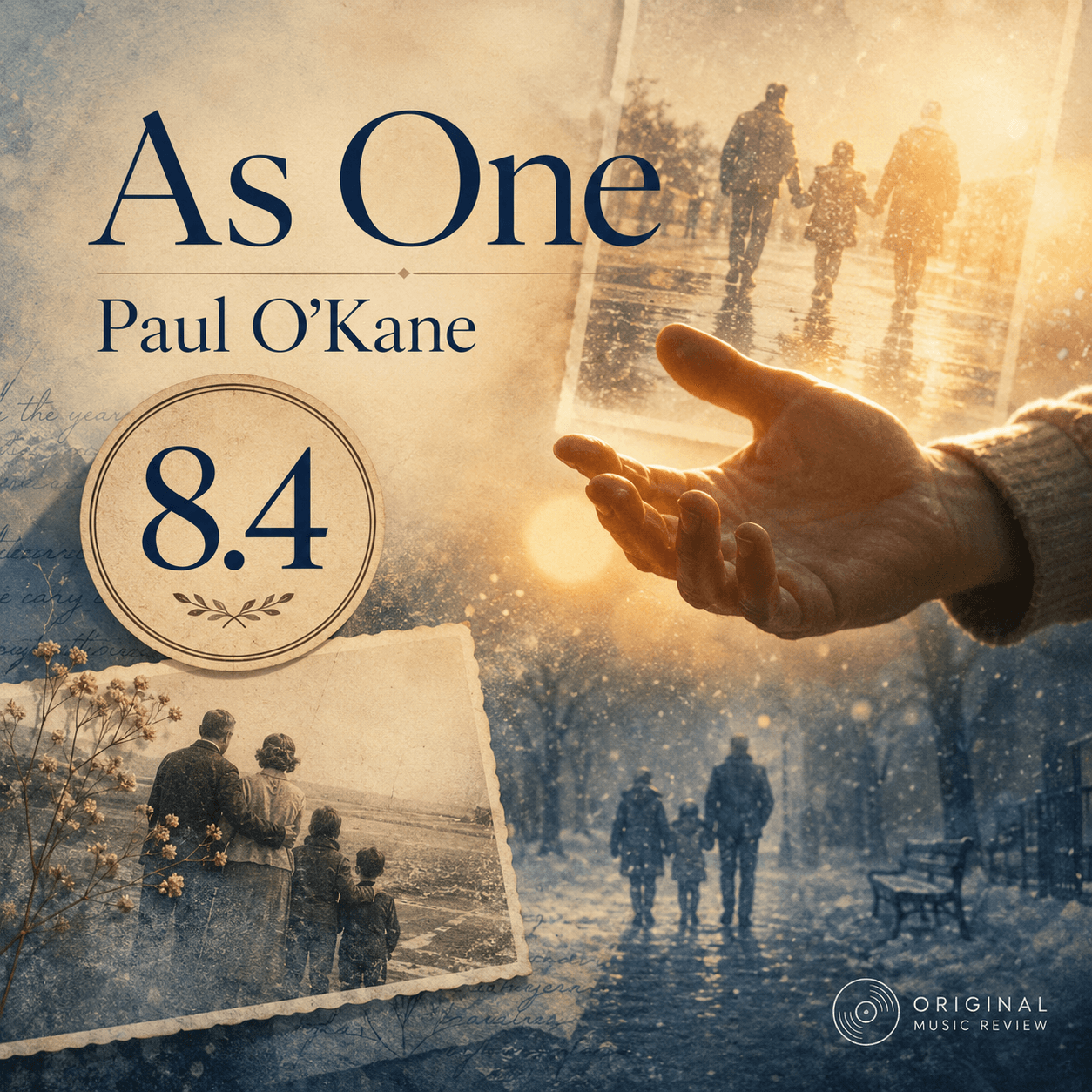
Paul O’Kane’s “As One” is a tender pop singer-songwriter piece about loss, family, and spiritual nearness. Written in 2003 and recorded decades later, it carries the feeling of a song that had to wait until the right moment to speak.
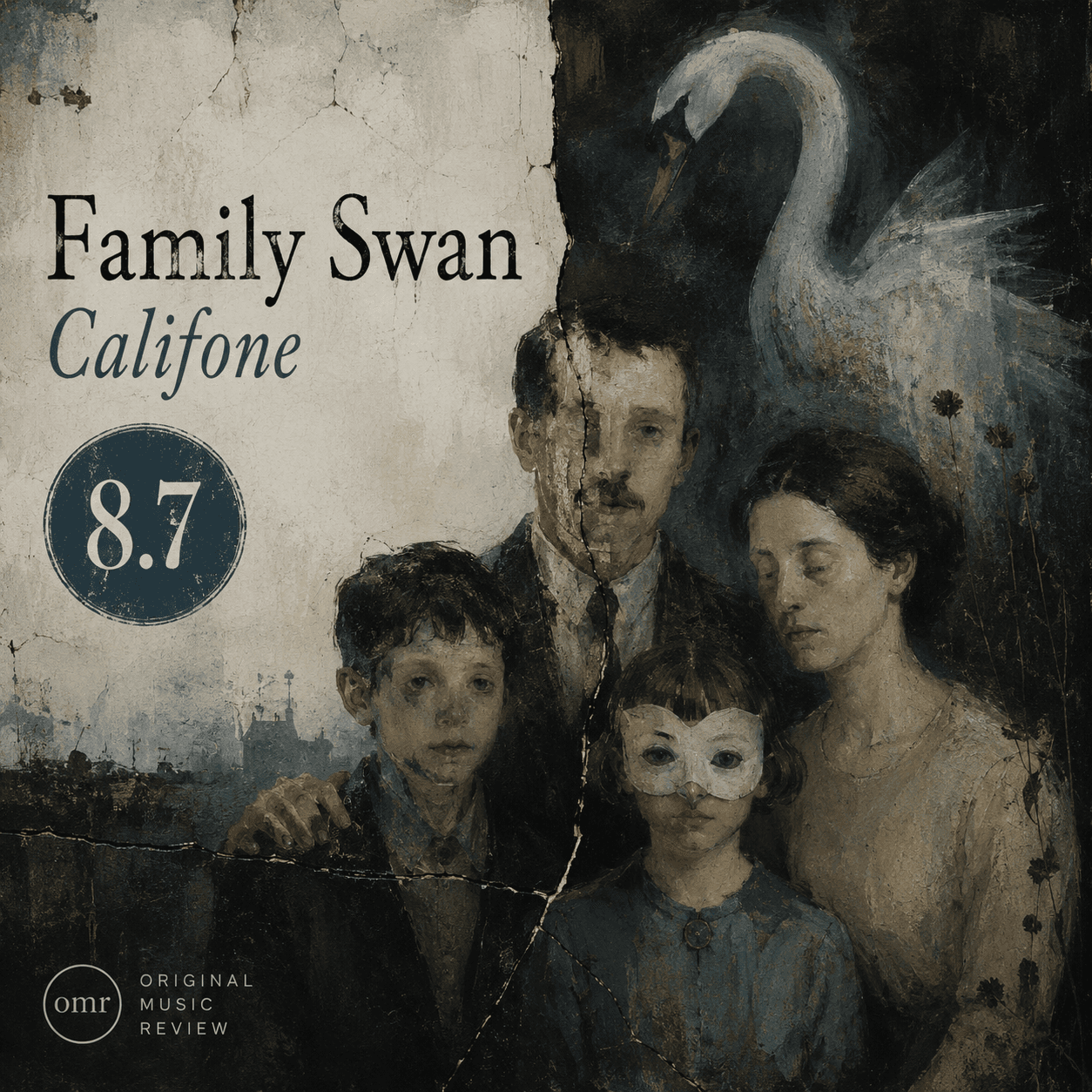
Califone’s take on Mecca Normal’s “Family Swan” is intimate, wounded, and strange in the best possible way. It honours the original not by smoothing it out, but by letting its sadness, humour, bleakness, and humanity remain unresolved.
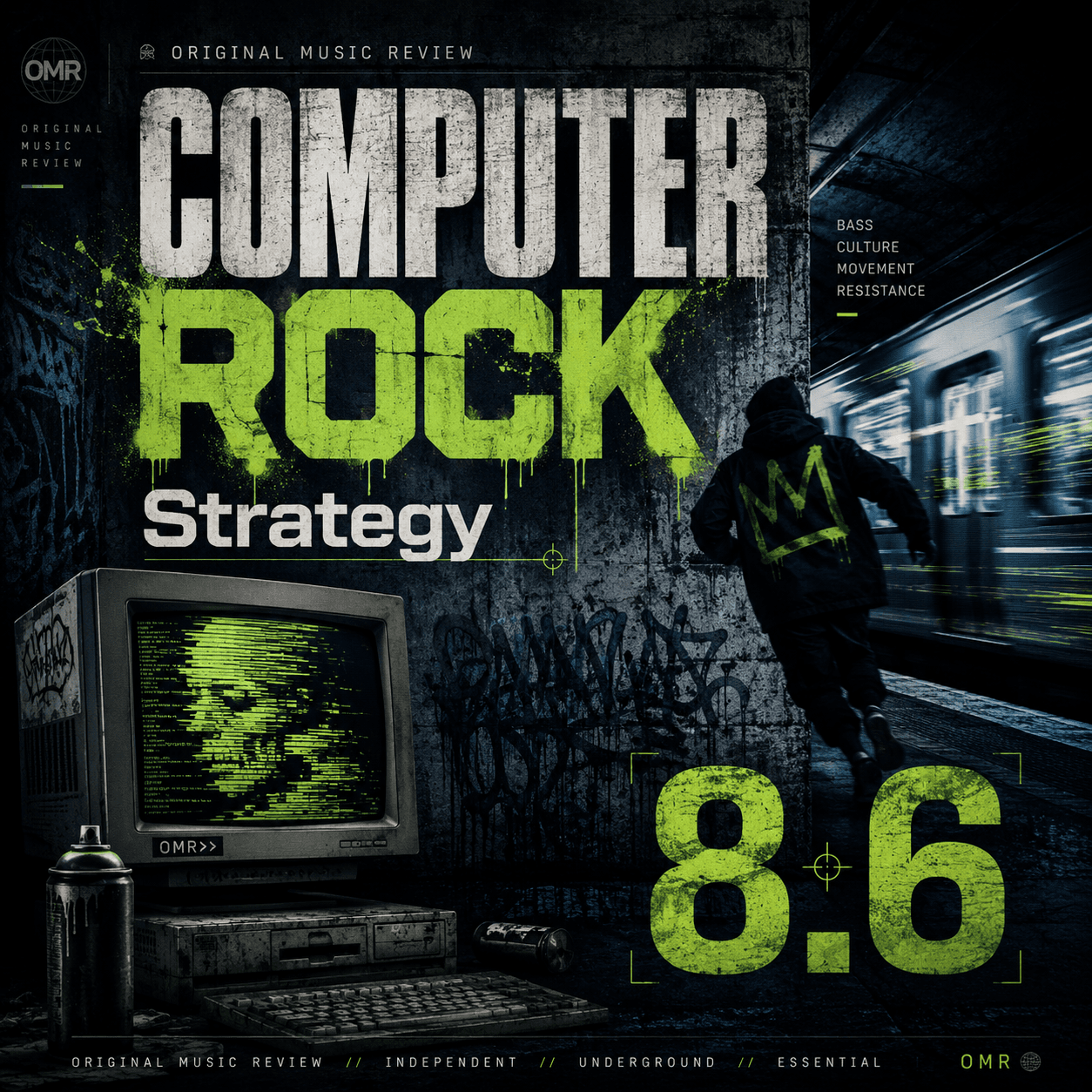
Strategy’s “COMPUTER ROCK” is a hard-edged electronic tribute to Kase2 and the creative resistance captured in Style Wars. Built from bass weight, urban pressure, and cultural memory, it feels less like nostalgia than a transmission from the walls themselves.
Austin Millz’s “Rock Any Further” is a tight, body-forward electronic cut from the Harlem-rooted New York producer, built less around grand emotional confession than physical command. It is rhythm as architecture: direct, clean, kinetic, and made to make stillness feel like a bad idea.
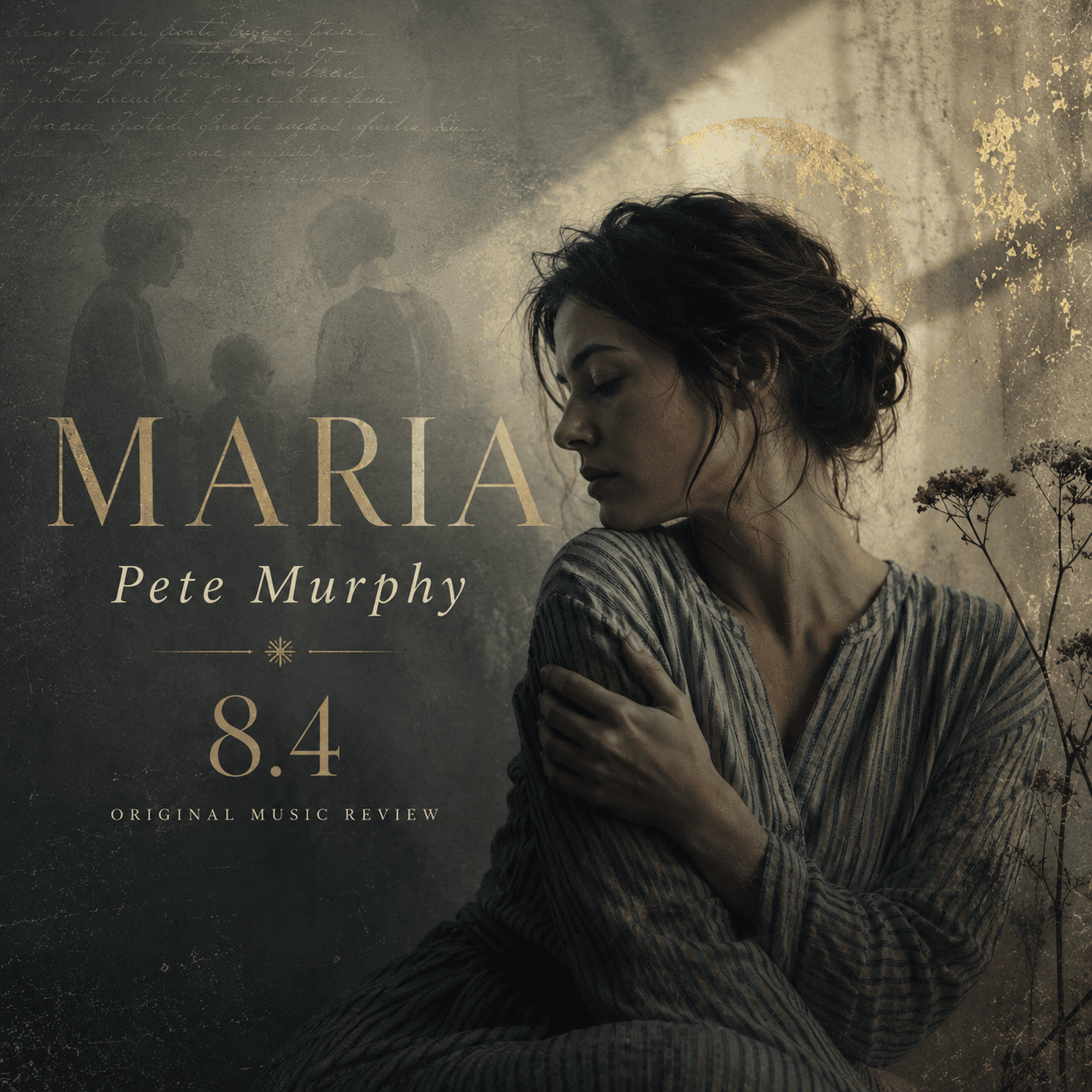
Pete Murphy’s “Maria” is a compact, emotionally literate piece of singer-songwriter pop-rock that treats identity, protection, and family with unusual tenderness. It is not polished in the glossy sense, but its handmade intimacy gives the song its force.
A moody independent hip-hop/R&B single built around emotional tension, melodic delivery, and the familiar aftermath of broken trust.
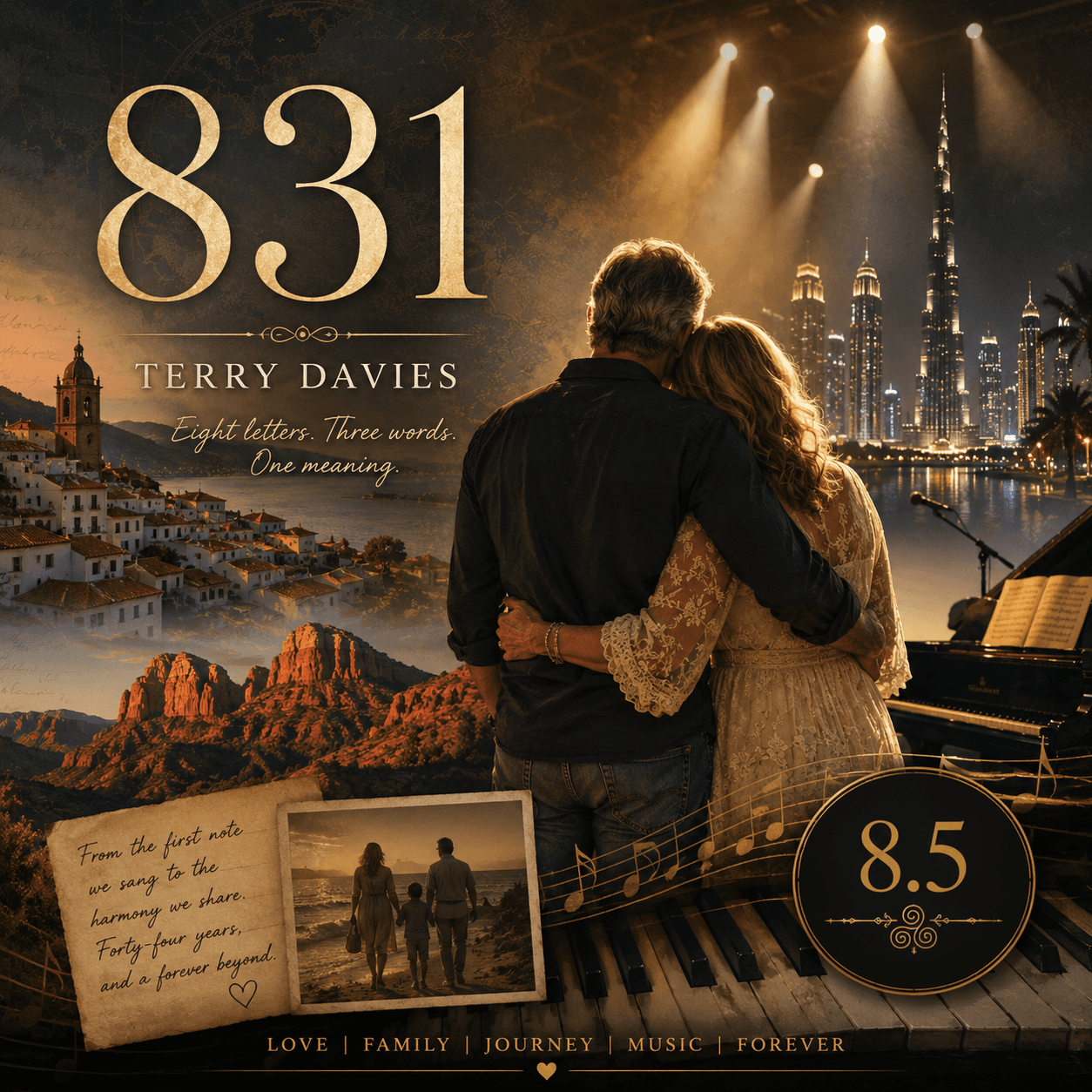
Terry Davies’ “831” is a deeply personal romantic ballad built around memory, marriage, music, travel, and parenthood. Its sentiment is unashamedly direct, but the specificity of its images — Spain, Arizona, Dubai, the stage, and the arrival of a son — gives the song a lived-in emotional weight.
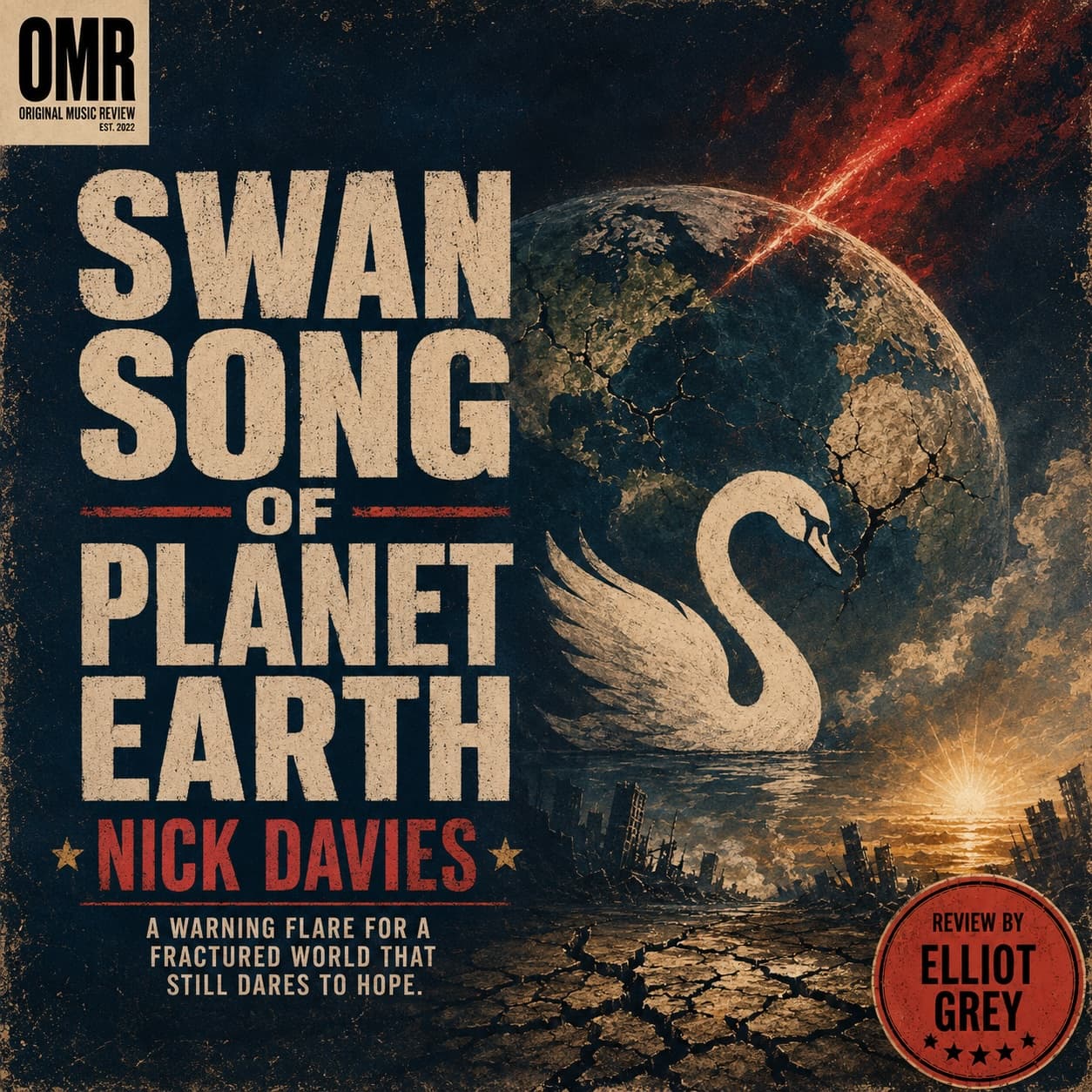
A lyrically searing protest hymn that refuses cynicism — Davies maps the cracks in the world and still dares to hope.
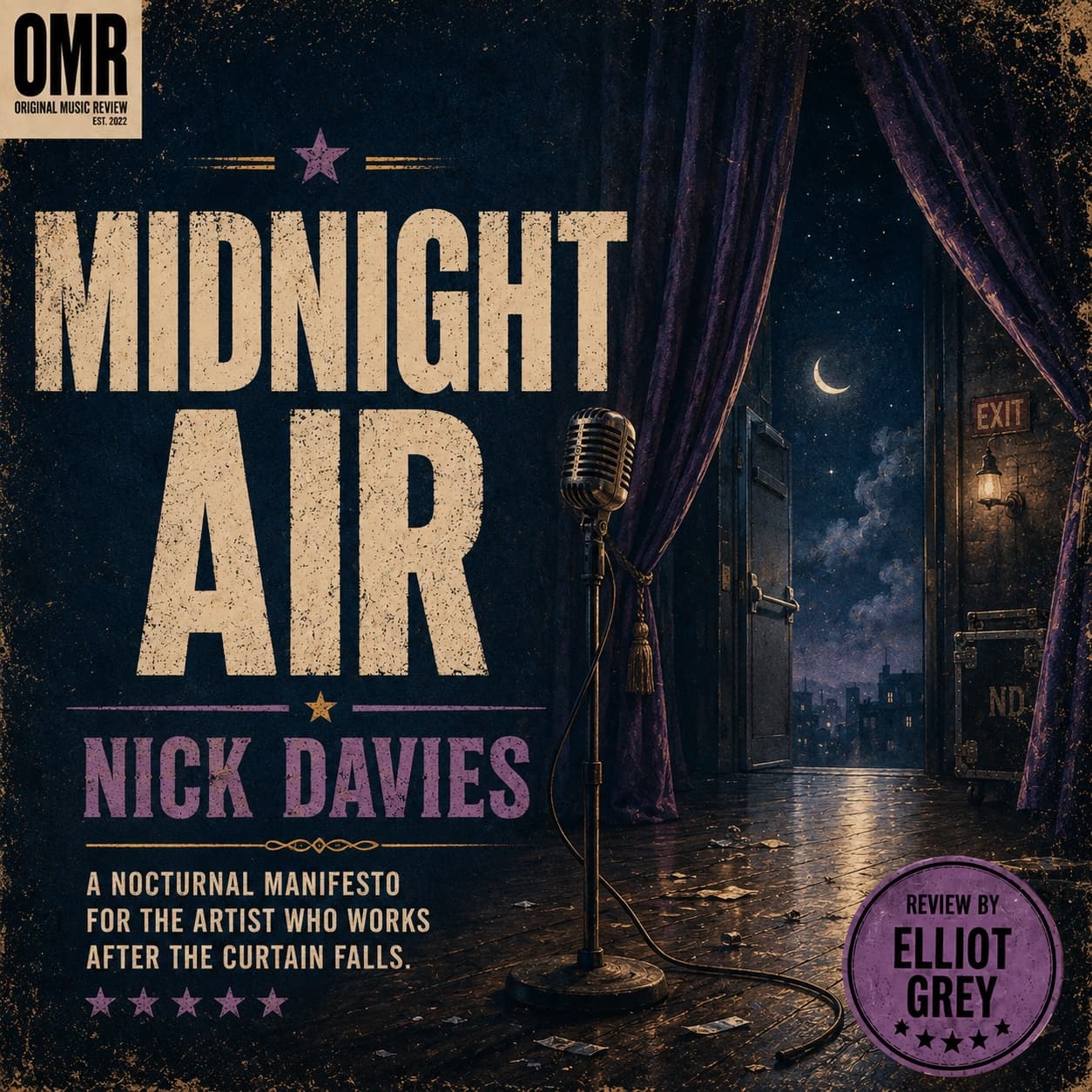
A duet with Roger Joseph Manning that turns the post-show silence into a manifesto for the artist who works when the world sleeps.
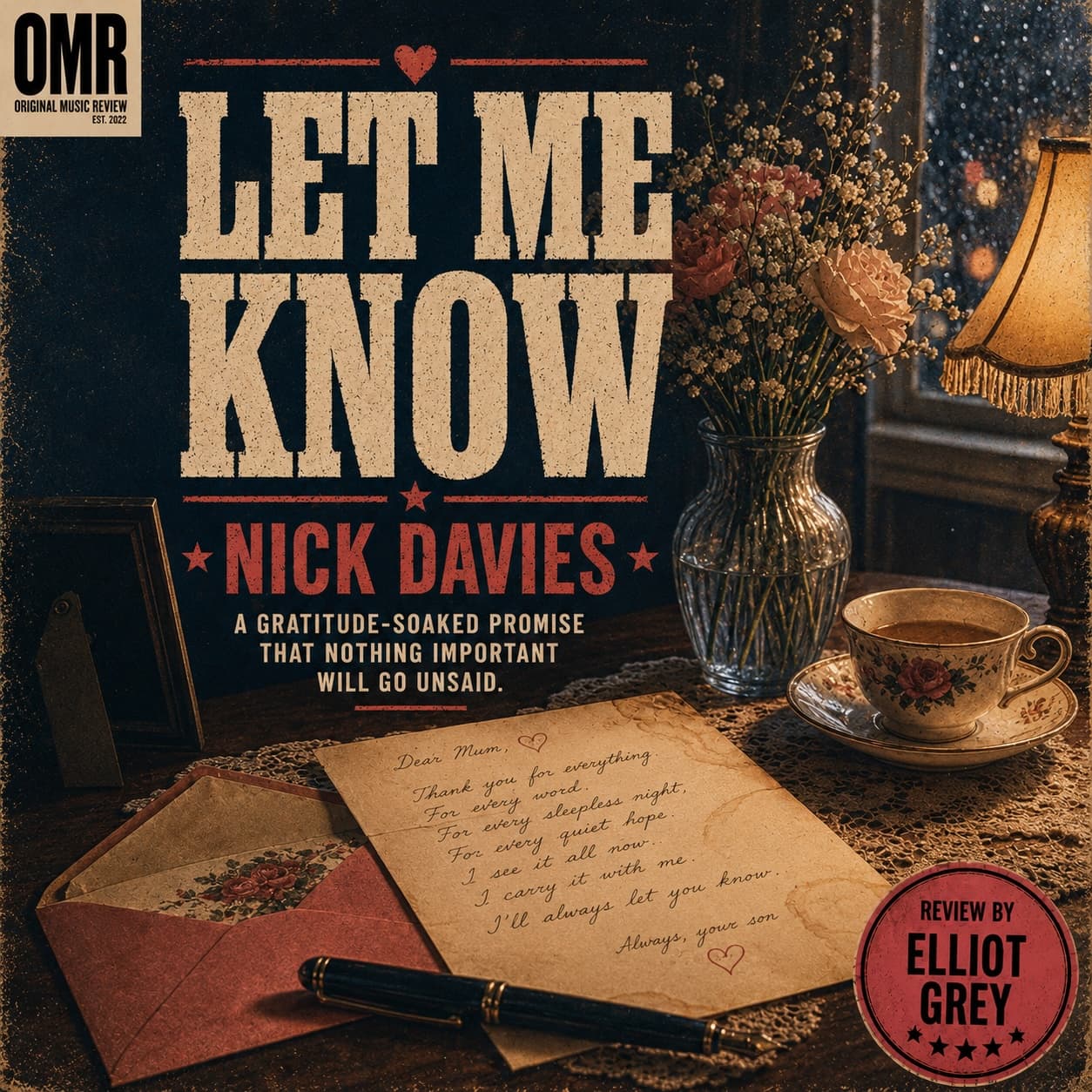
A tender, gratitude-soaked tribute to a mother — and a promise that nothing important will go unsaid between them.
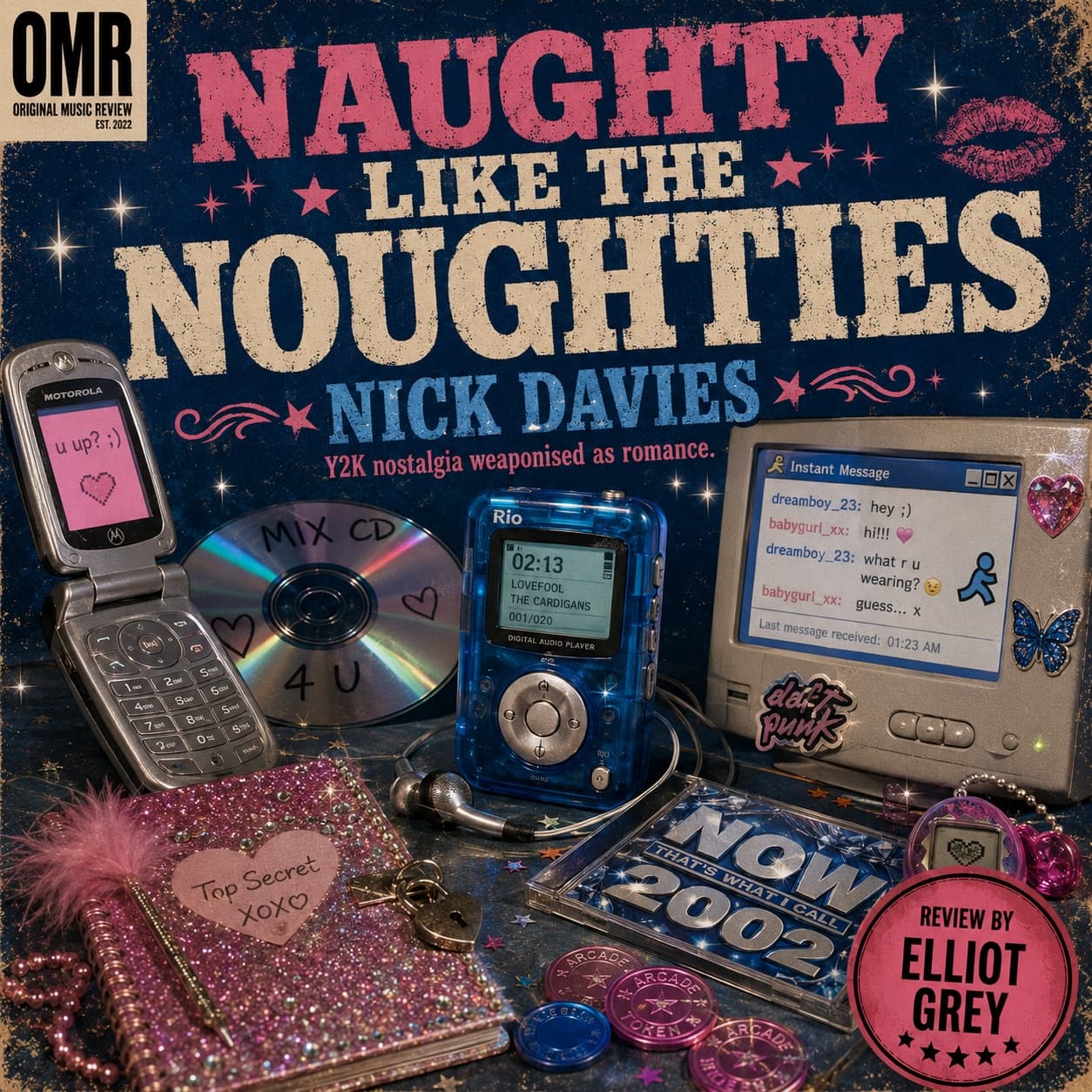
A nostalgia-soaked romp through the late '90s and early 2000s — flip phones, Smash Mouth, and MySpace top 8s, weaponised as romance.
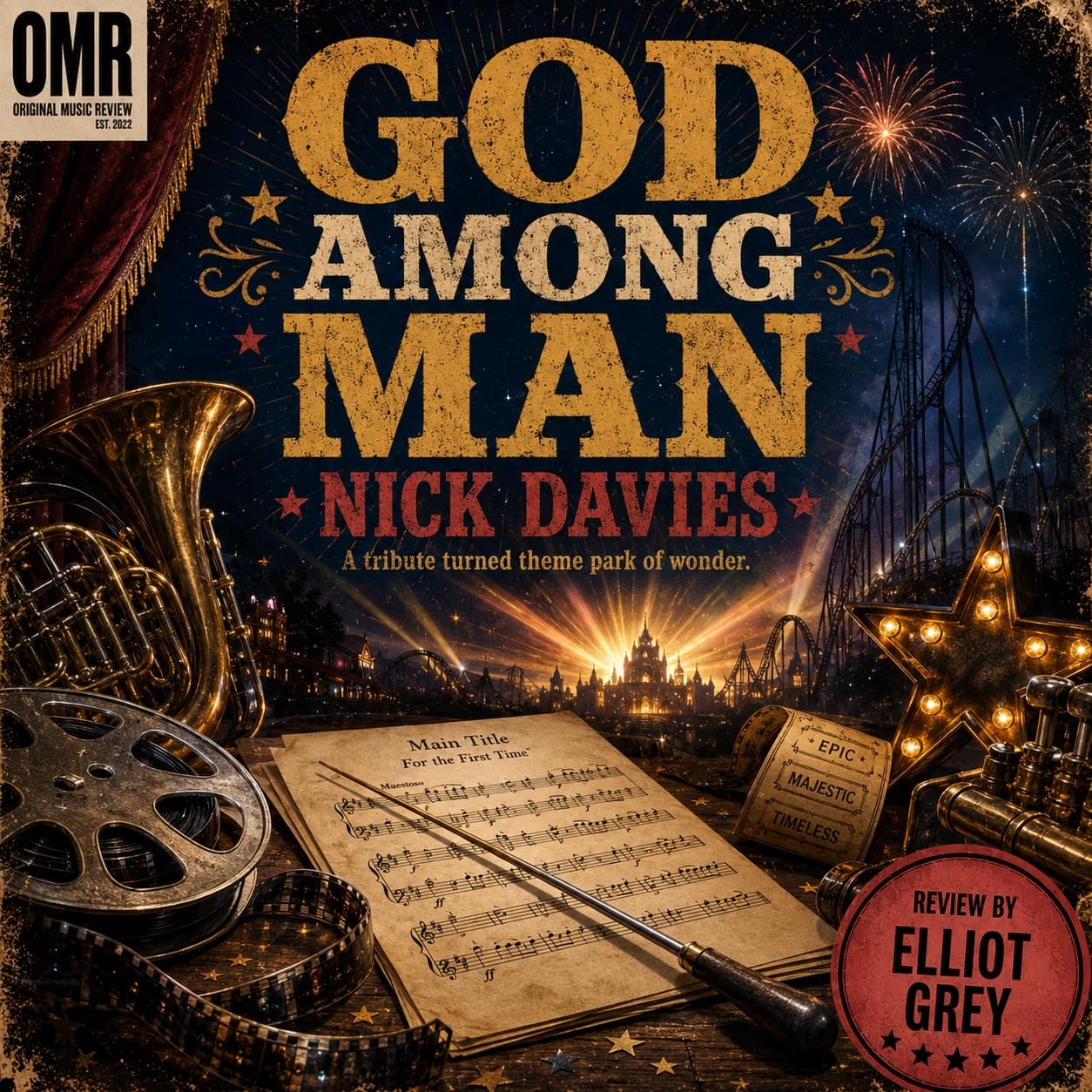
An exhilarating, reference-packed tribute to John Williams that recreates the feeling of hearing him for the first time.
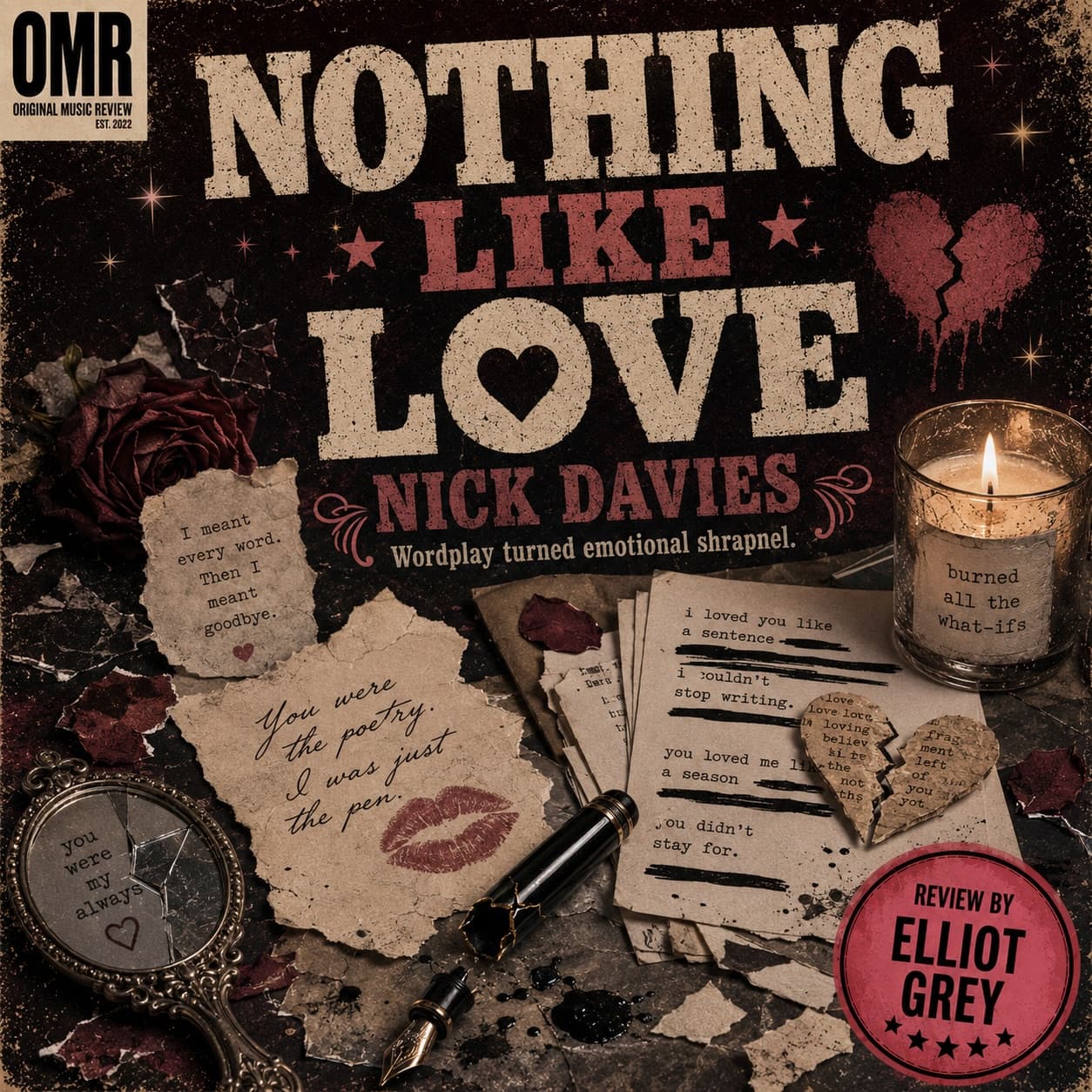
A masterclass in wordplay that turns lyrical virtuosity into emotional shrapnel — every syllable doing two jobs, and aching for both.
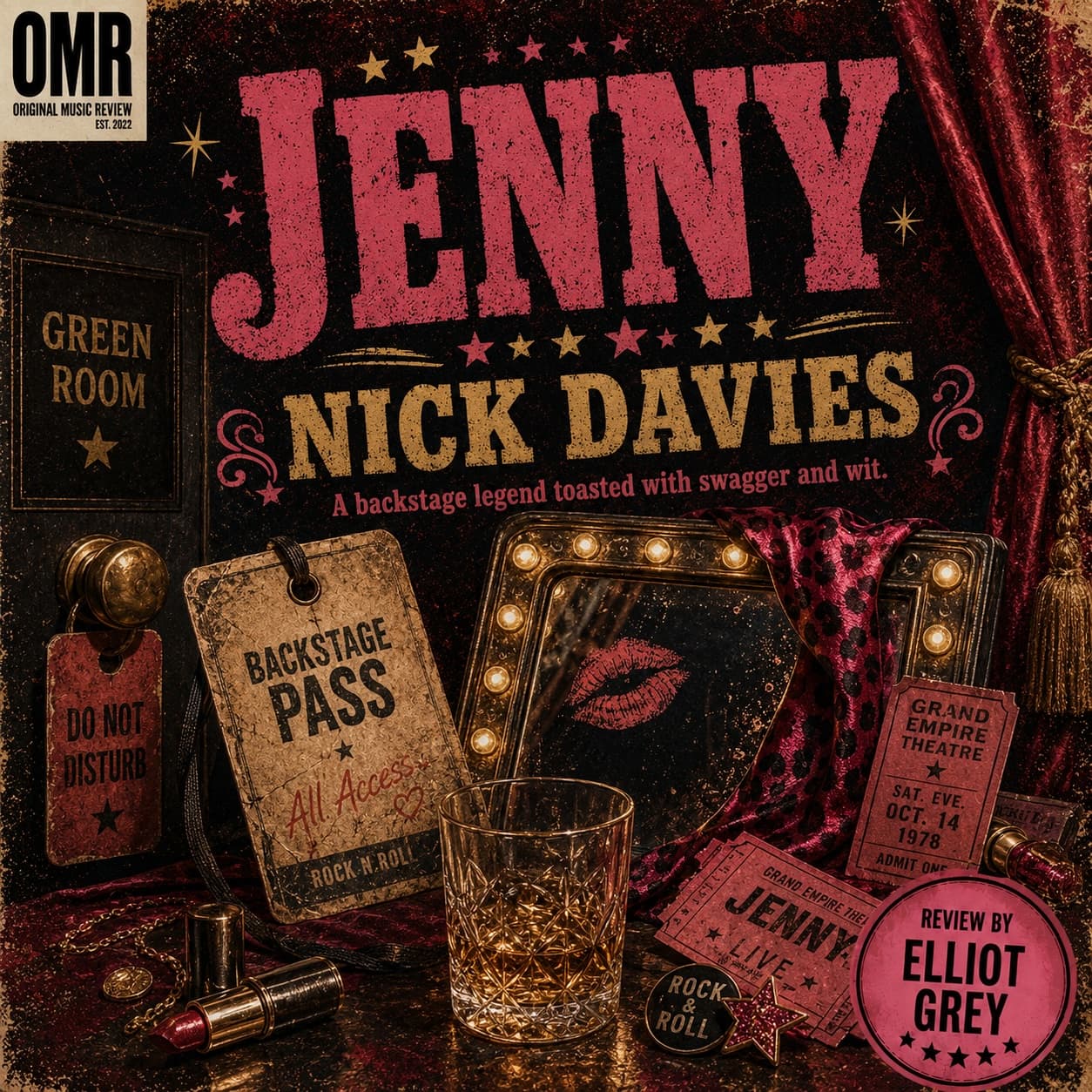
A theatrical, tongue-in-cheek tribute to the era of the legendary groupie — equal parts romp, roast, and quiet elegy.
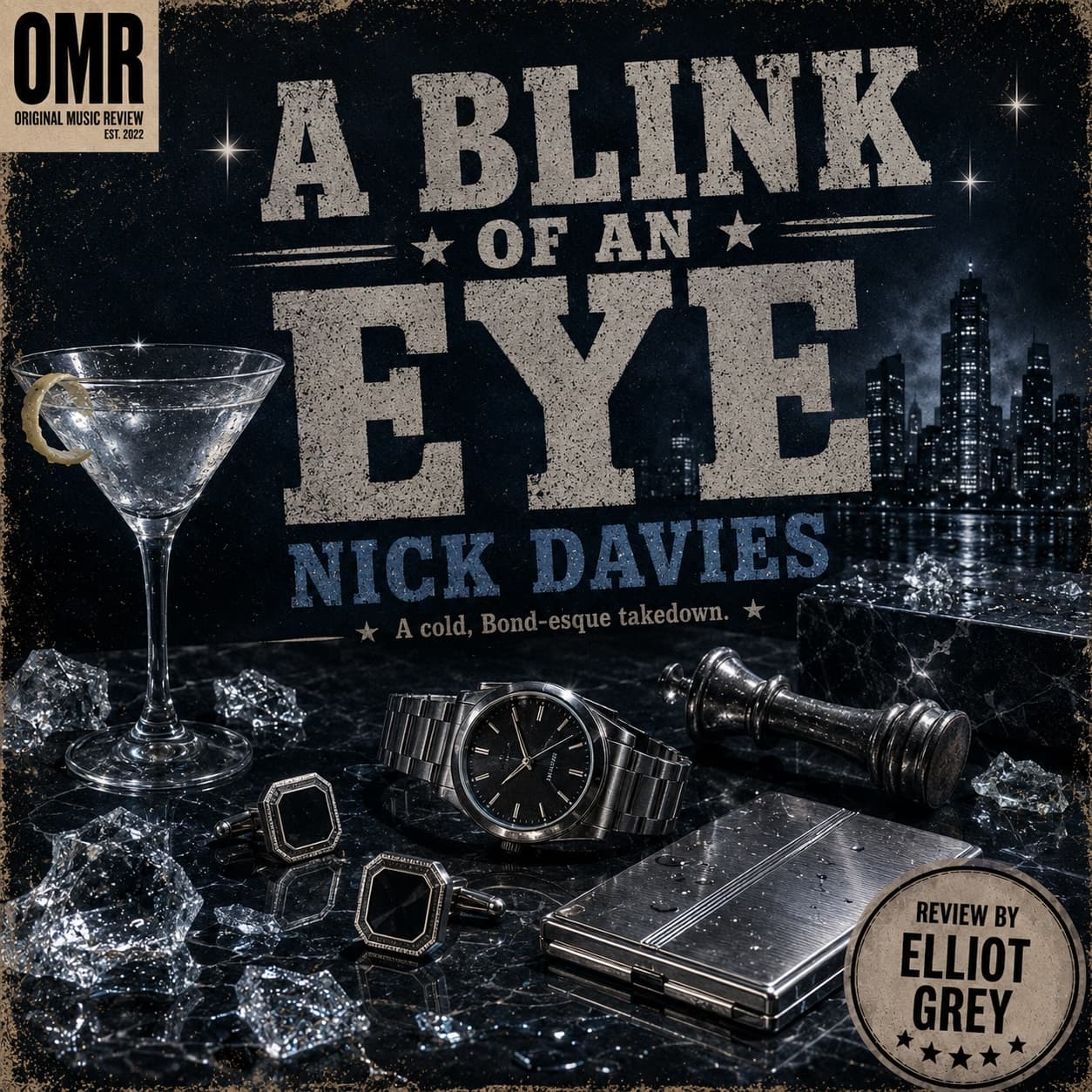
A vicious, Bond-esque takedown of a social climber, delivered with British bite and zero appetite for redemption.
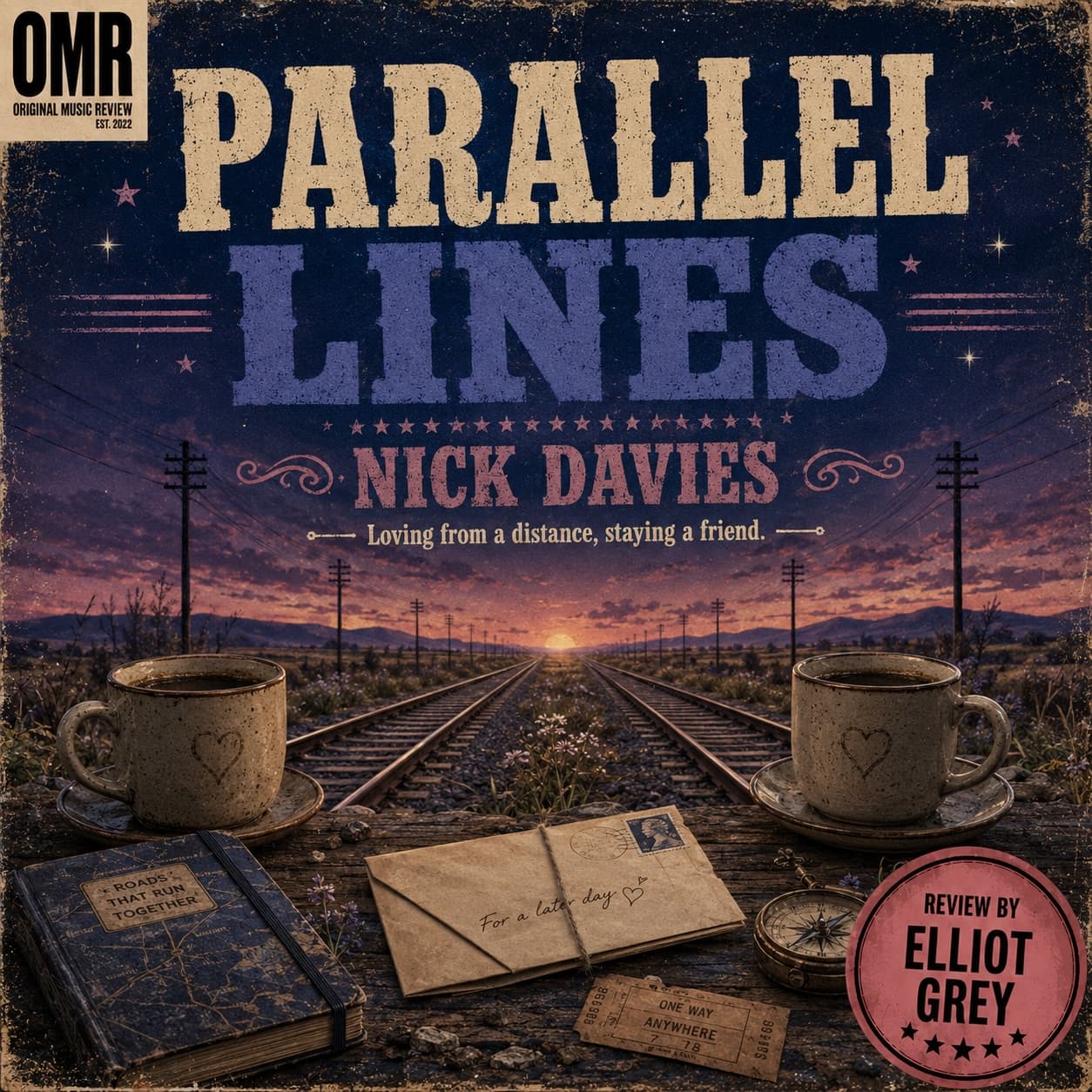
A quietly devastating ballad about loving someone you'll never be with — and choosing, instead, to be a friend.
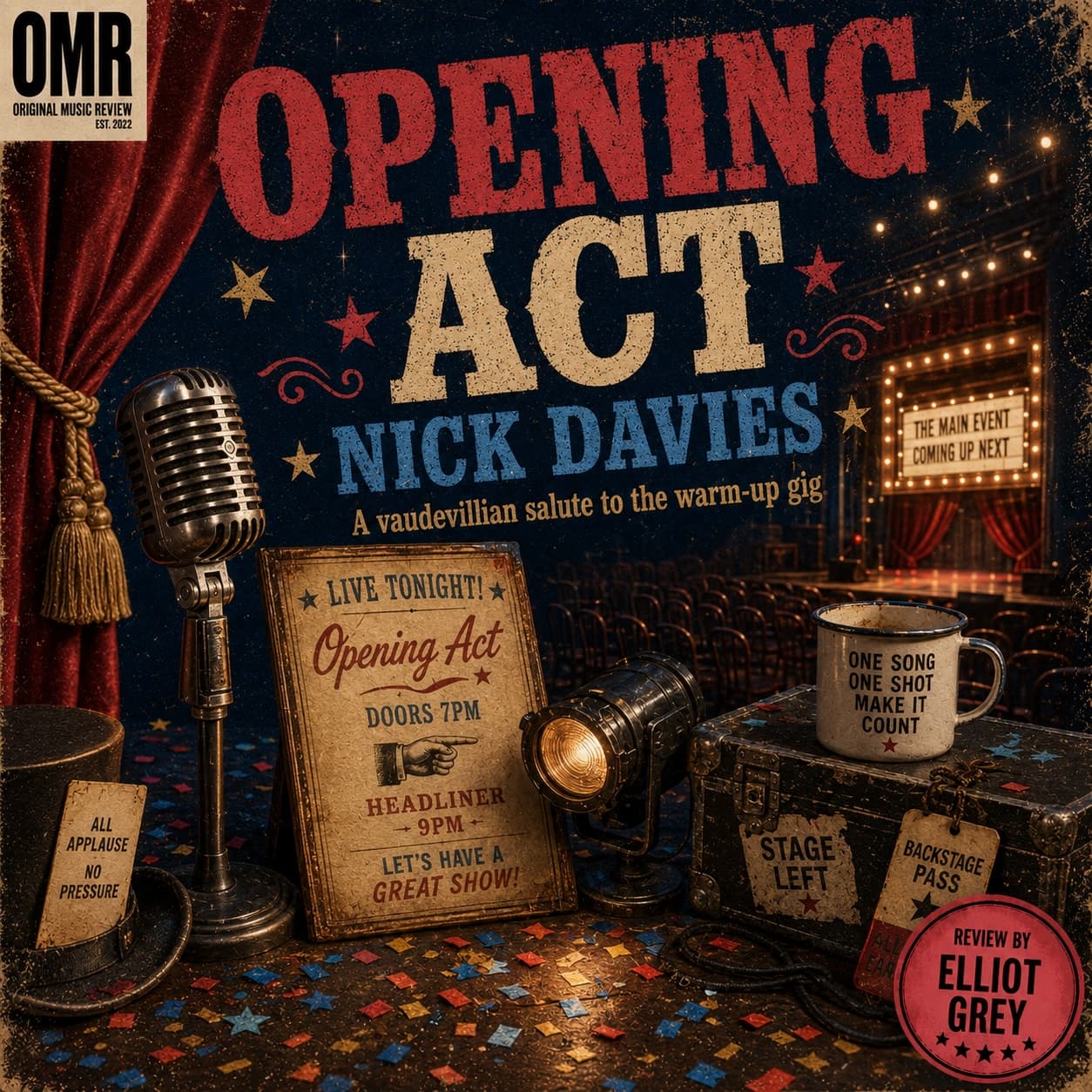
A self-aware, vaudevillian romp about the unsung hero of every live show — written by someone clearly thrilled to be on the bill.
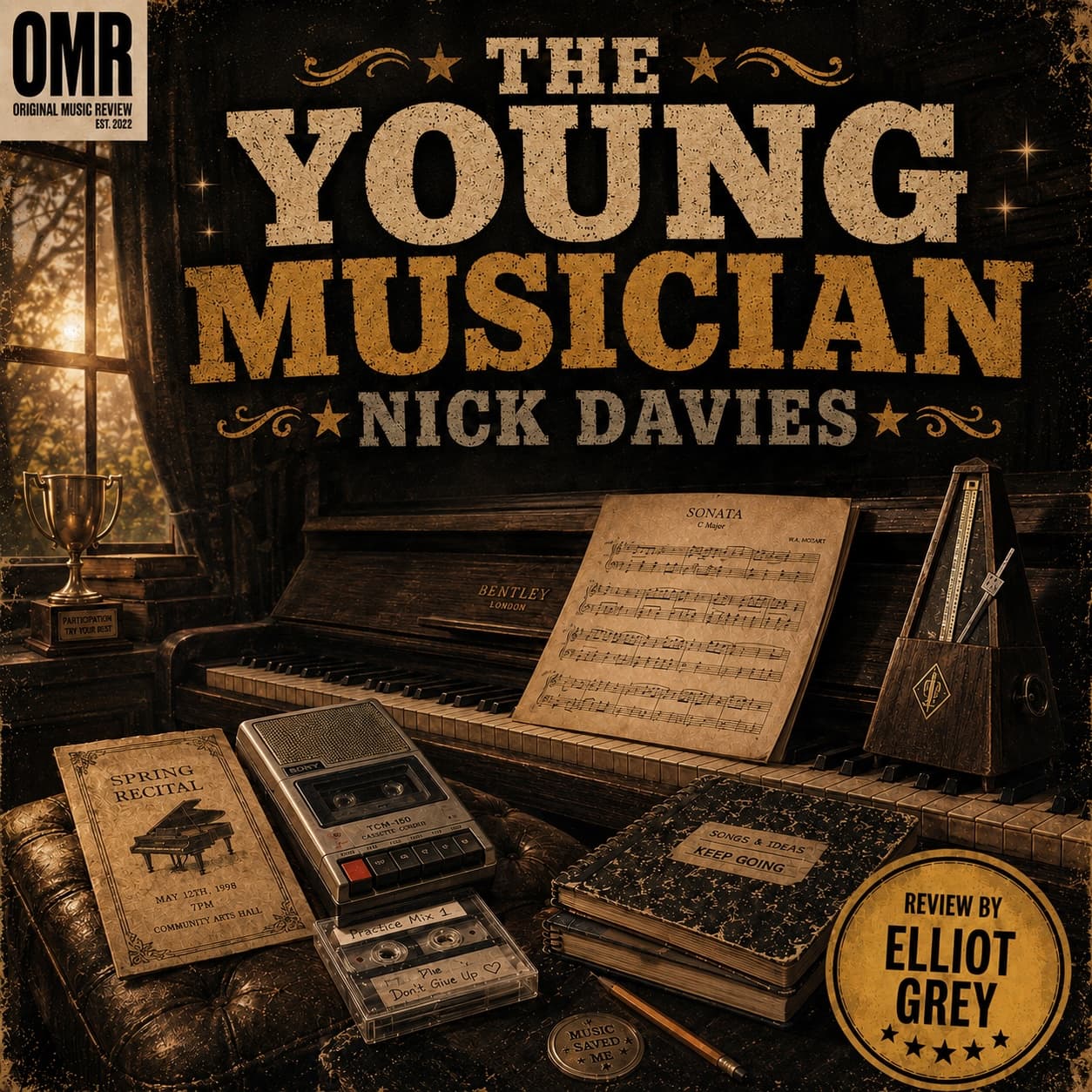
A vulnerable, autobiographical piano ballad in which Nick Davies thanks — by name — the music that saved him.