"Luckiest Man Alive" is a single from Buffalo Traffic Jam that sets an earnest male voice against a warm, unhurried bed of acoustic guitar, brushed percussion, and a clean electric guitar threading melodic fills through the spaces. The thesis is quiet but precise: gratitude and regret don't cancel each other out — they co-exist, and the song is honest enough not to resolve that tension cheaply.
Steve Lacy's "show you me" is a spare, acoustic-driven single that trades his usual funk-laced studio gloss for something quieter and more exposed — a direct admission of love, built on strummed guitar and a vocal that refuses to hide behind production. The thesis is disarming simplicity: to be seen is the whole point.
"The Light in the Painting" is a new single from Lizzy McAlpine that operates on a deceptively simple premise: two people close enough to share a heartbeat, and the almost unbearable weight of that closeness. Built on acoustic guitar, a walking bass, and a vocal that leans into every syllable as though pressing it between two palms, McAlpine doesn't reach for grand gestures. She reaches inward — and that restraint is both the record's greatest strength and its narrow ceiling.
"Great Expectation" is a new single from Sienna Spiro, built on acoustic guitar and an earnest lead vocal that refuses to dress its longing up as anything other than what it is. The thesis is simple and quietly brave: that wanting something — someone — can be its own kind of sustaining force, even when disillusionment keeps pulling at the edges.
"Break Up in Reverse" is a folk-pop single built on a simple, disorienting premise: what if you could run the dissolution of a relationship backward, rewind the slow slip toward goodbye, and meet love at the finish line instead? Teddy Swims frames the question with fingerpicked acoustic guitar, a clean electric bass, and a vocal delivery so deliberate and unhurried that the tenderness reads less like sentiment and more like argument. The result is a quiet, well-constructed heartbreak song that earns its feeling by keeping its production out of the way.
A folk-pop single with a jazz lean, "Life's a Whole Lot Easier" sets Ellie Jo Lovini's conversational vocal over fingerpicked acoustic guitar, electric bass, and brushed drums — then lets an alto saxophone do the emotional heavy lifting. The thesis is a small, honest one: that some departures don't break you, they free you.
"Heaven" is an acoustic pop single from Myles Smith that collapses a grand theological concept into one intimate declaration: the person in front of him is all the afterlife he needs. Built on strummed and arpeggiated acoustic guitar, a warm electric bass, light percussion, and synth pads hovering at the edges, the track earns its sentiment not through scale but through restraint — a breathy, vulnerable vocal delivery that refuses to oversell the word it's carrying.
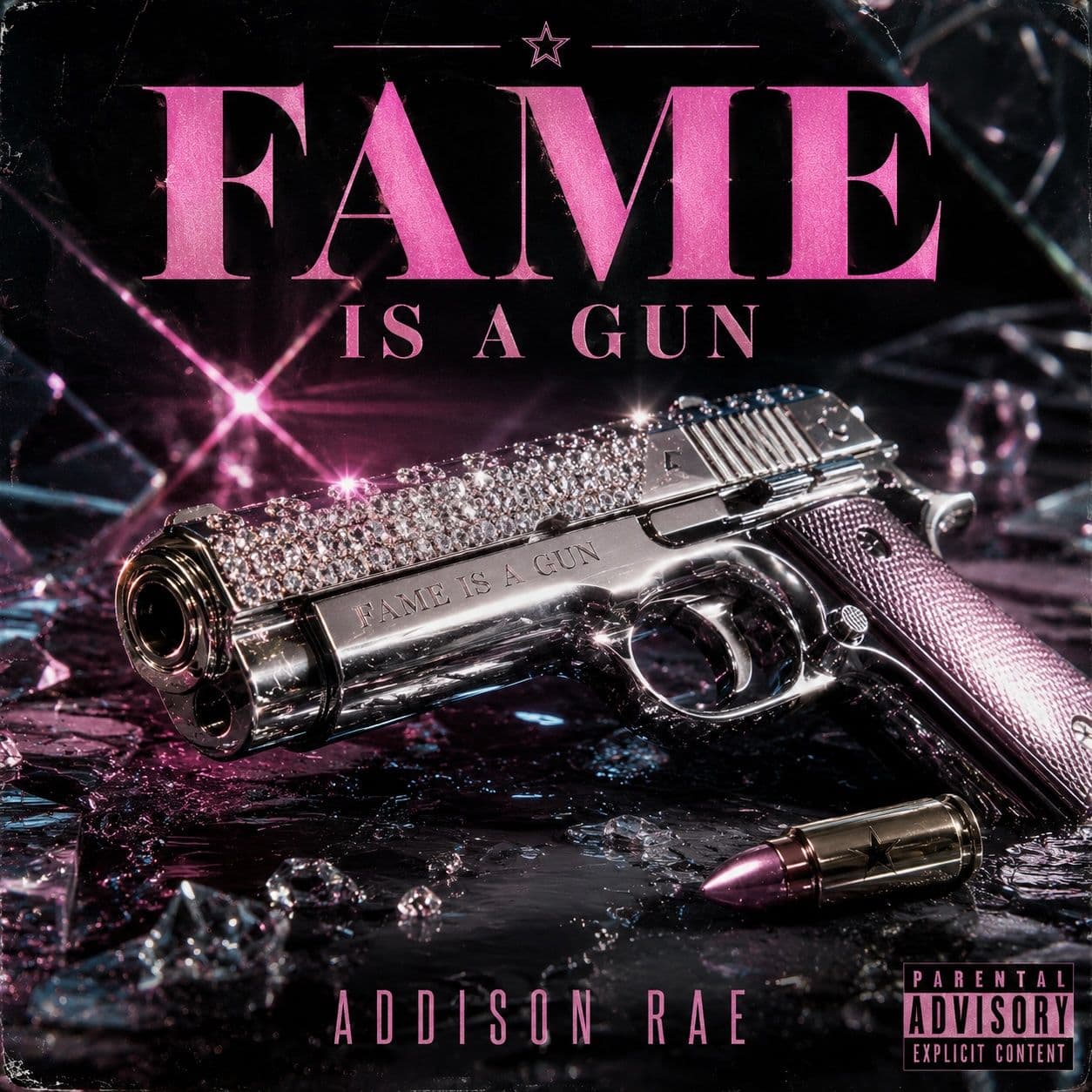
Addison Rae’s “Fame is a Gun” is a sharp, shimmering synth-pop single that turns the machinery of celebrity into both fantasy and threat. Rather than apologizing for ambition, Rae leans into it, delivering a track that understands fame as something seductive, dangerous, theatrical, and impossible to hold safely. It is glossy pop with a loaded metaphor at its center.
MUNA’s most overtly political song trades synth-pop gloss for furious, rock-leaning directness — a protest track, first released to fund Gaza aid, that names names where it could have gestured.
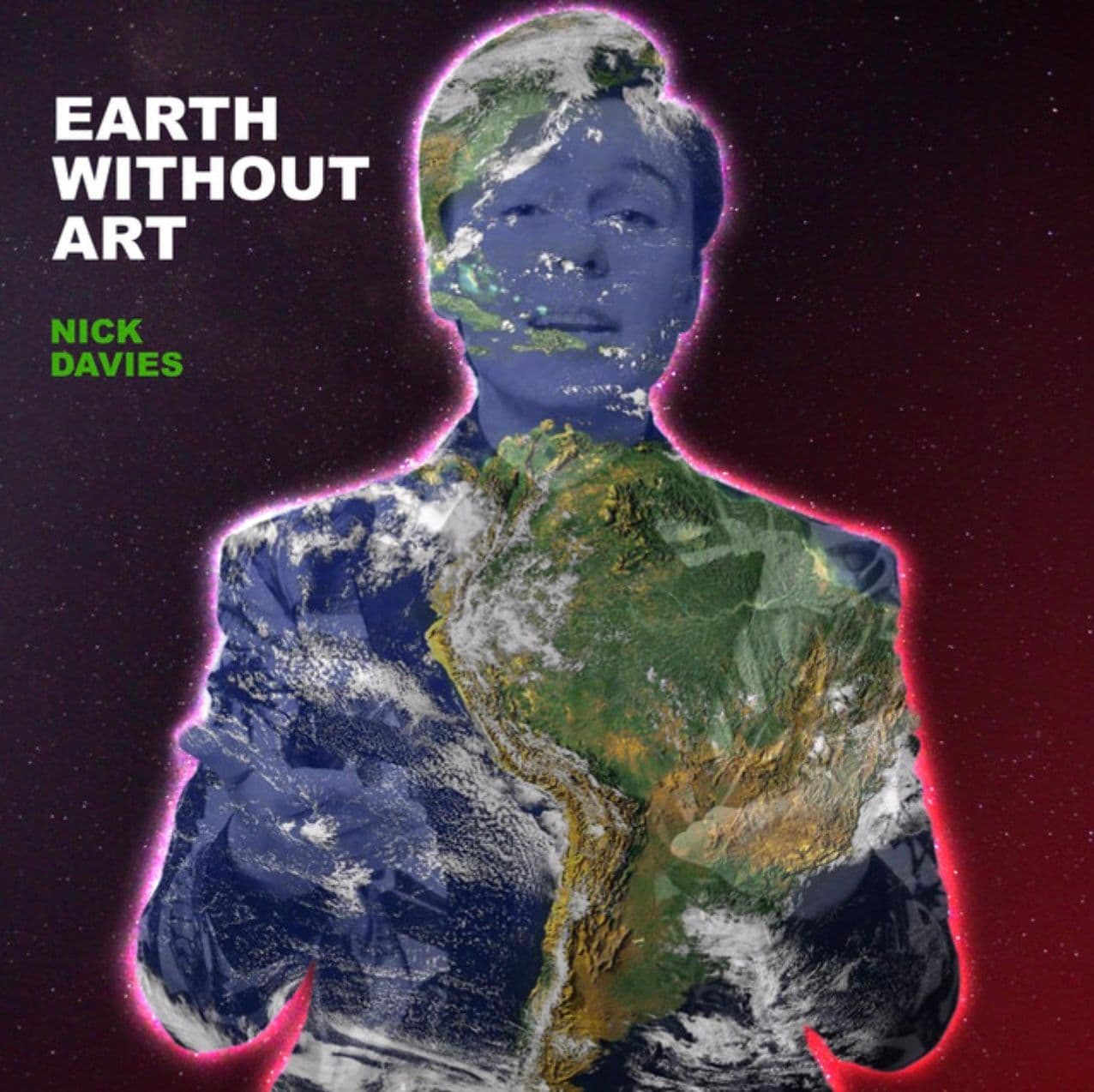
Nick Davies’ “Earth Without Art” is more than a piano-pop anthem about creativity — it is a direct plea from an artist watching an entire industry collapse in real time. Written from the perspective of musicians and performers facing the sudden loss of work, purpose, and stability, the song turns pandemic-era uncertainty into a heartfelt argument for why art is not optional. It is livelihood, identity, memory, and in some cases, the reason people keep going.
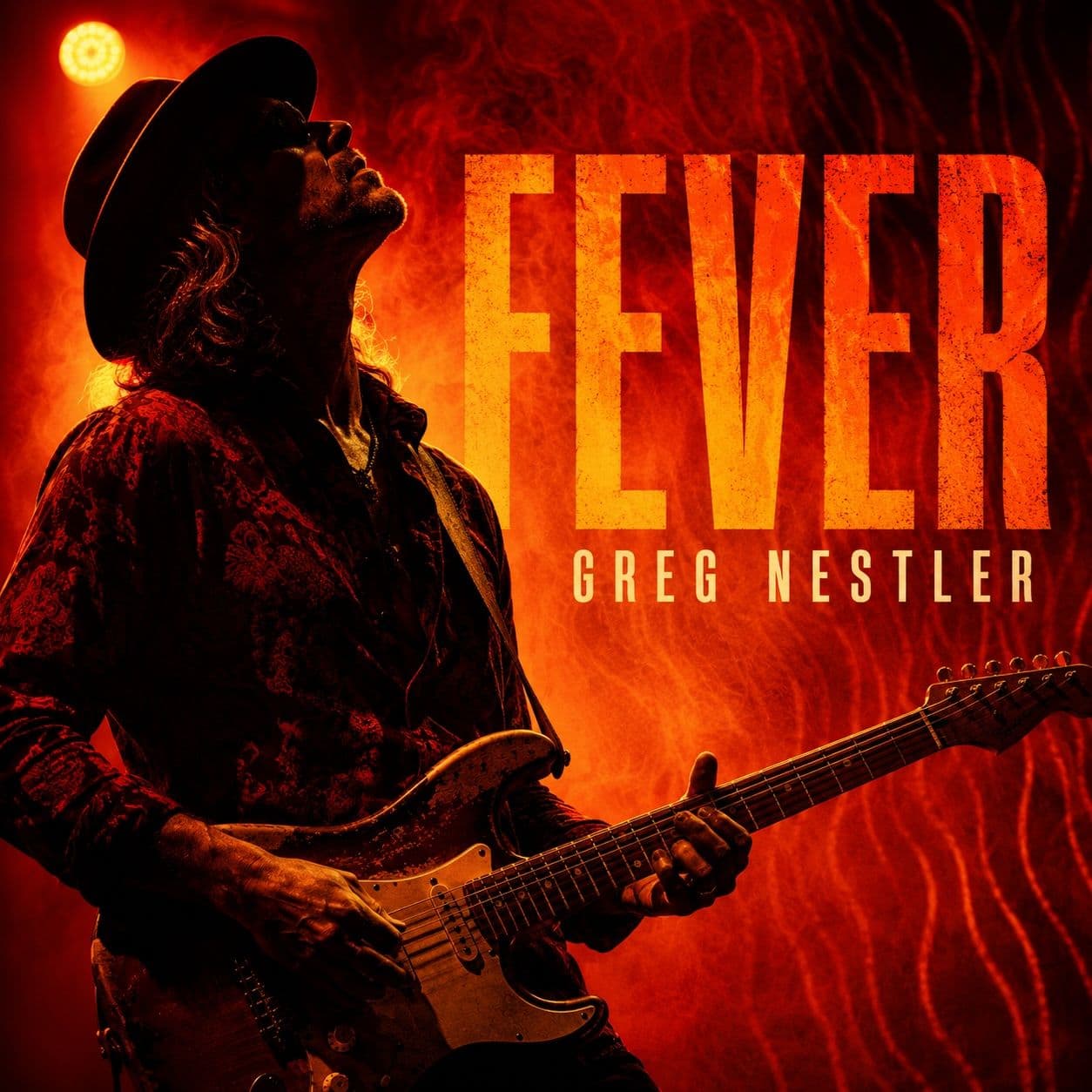
Greg Nestler’s “Fever” is a tight, groove-driven slice of funk-blues rock that leans into feel, rhythm, and heat. Built around soulful vocals, dynamic guitar work, and a confident live-band energy, the track captures the sound of an artist who understands that blues-rock is not just about volume or grit — it is about tension, release, and the pulse underneath it all.
A Phoenix alt-rock band measures the life millennials were promised against the one that arrived — brooding verses, detonating choruses, and a pageant-crown image that cuts both ways.
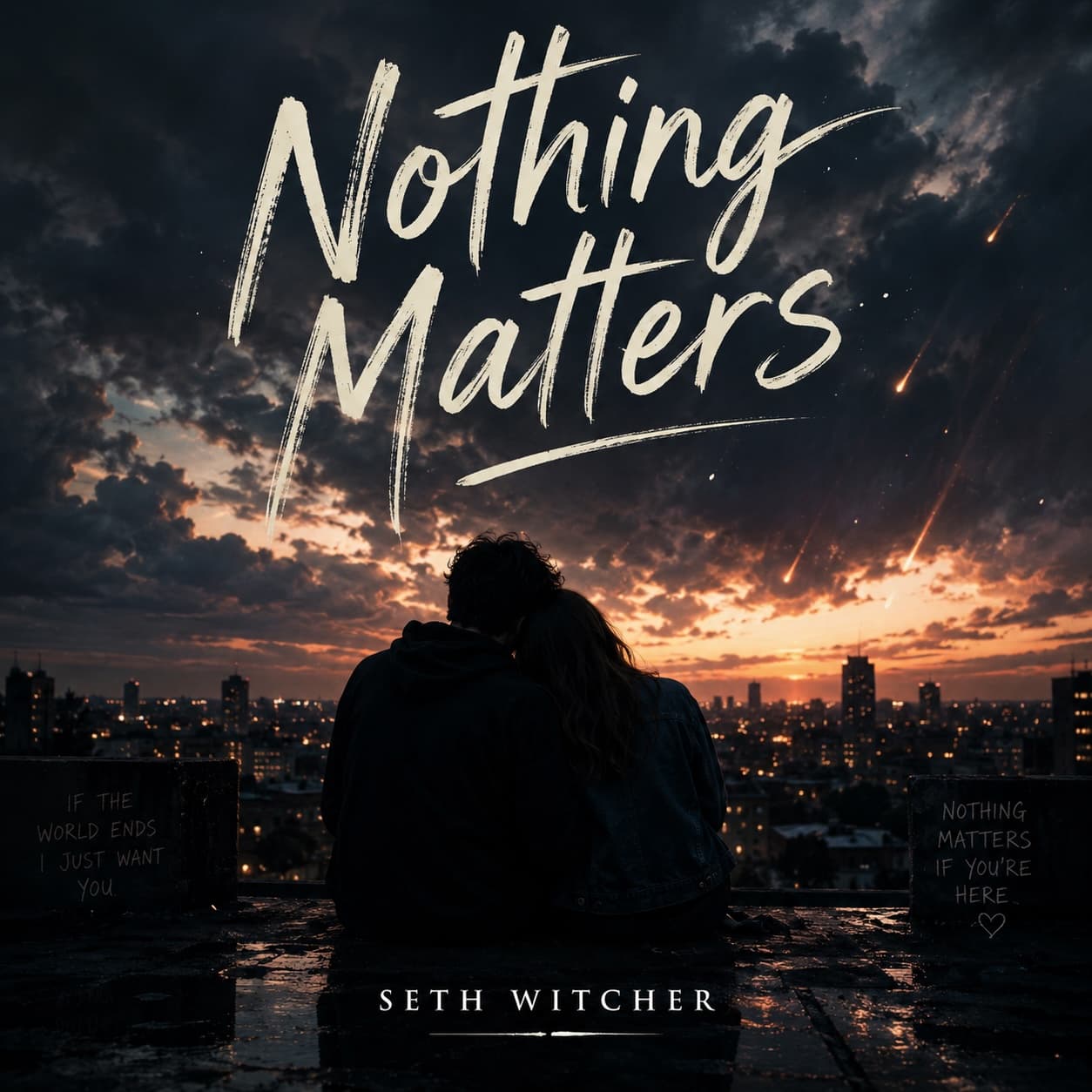
Seth Witcher’s “Nothing Matters” is a heartfelt emo-pop confession that turns end-of-the-world romance into something intimate and wounded — earnest almost to the point of risk, with a strong melodic center and a vocal willing to sound exposed.
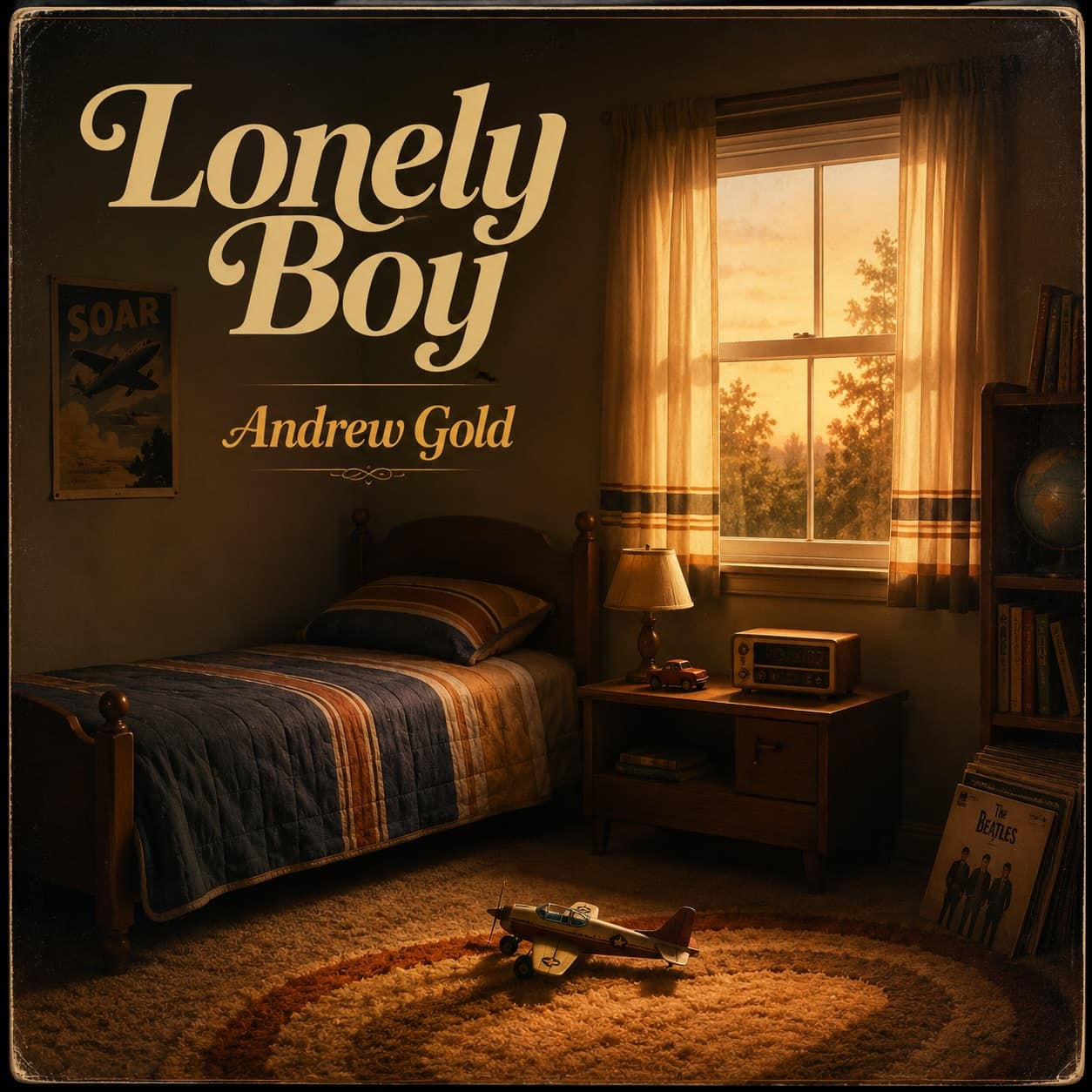
Andrew Gold’s 1977 hit “Lonely Boy” sounds like gleaming Los Angeles soft rock, but underneath the flawless Peter Asher production sits a comically bitter character study — a firstborn turning childhood resentment into lifelong mythology, and making self-pity irresistibly catchy.
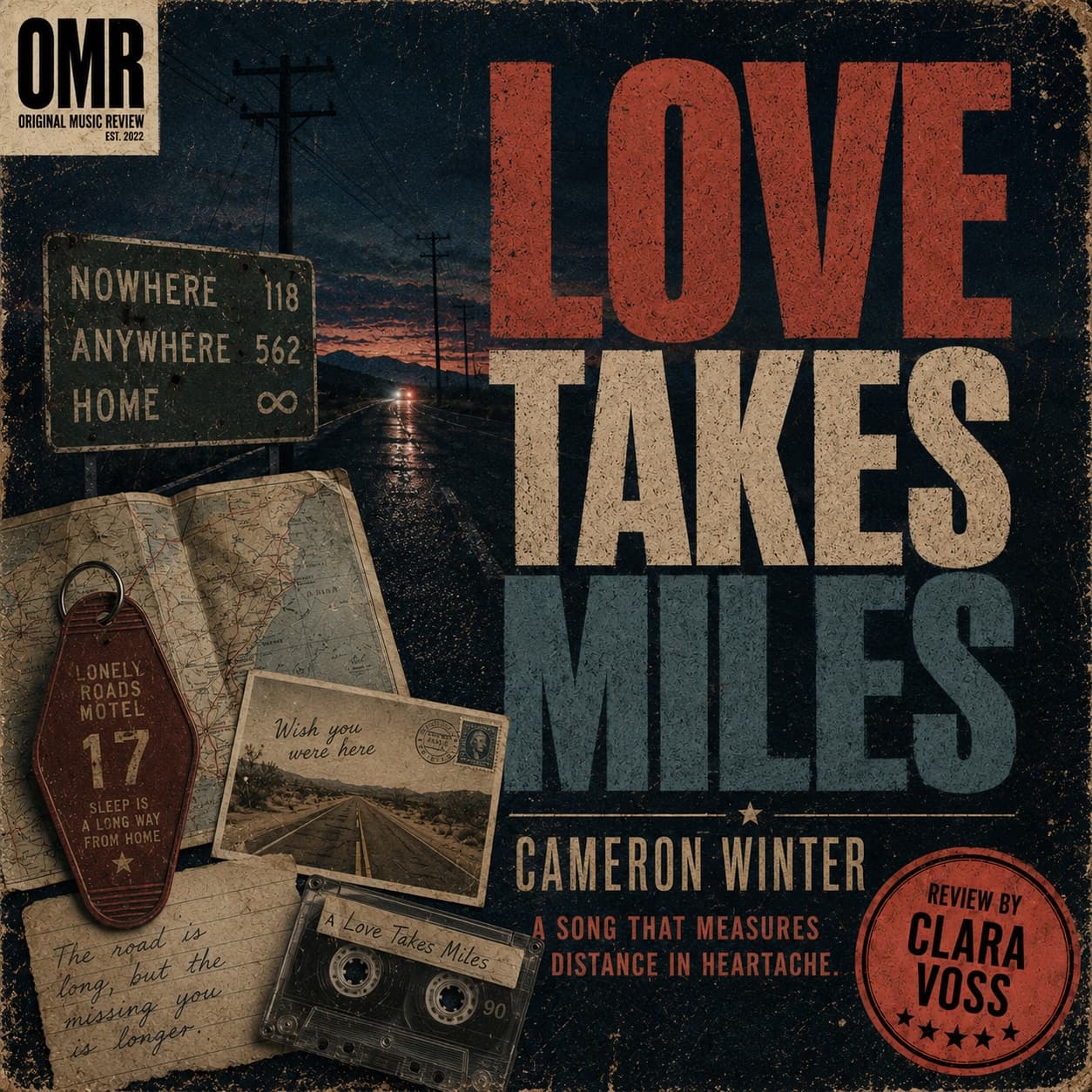
Cameron Winter’s “Love Takes Miles,” from his 2024 album Heavy Metal, is a theatrical, unsteady singer-songwriter confession that treats love as endurance rather than arrival — exhausting, strange, funny around the edges, and quietly unforgettable.
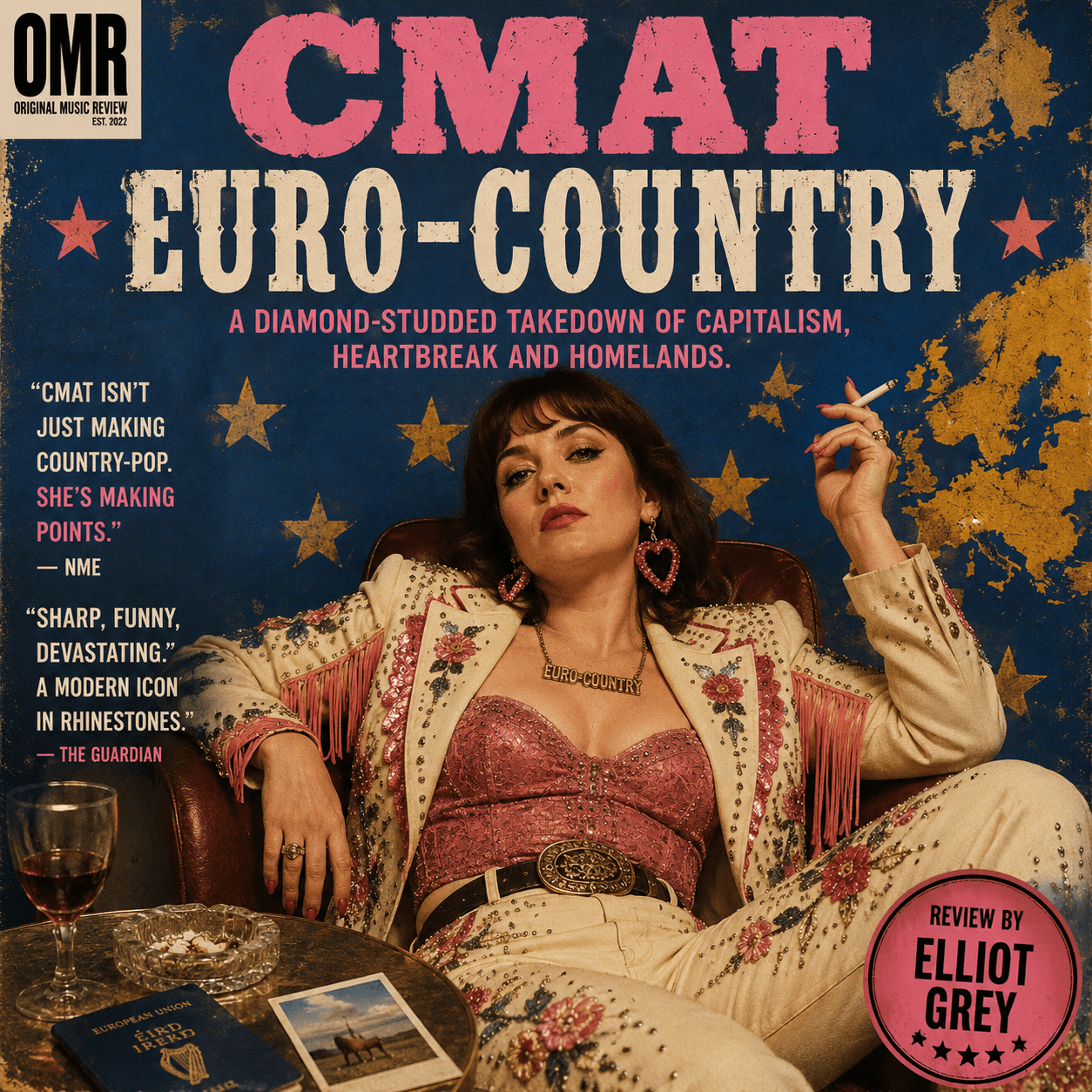
CMAT’s “EURO-COUNTRY” is big, strange, clever, bruised pop music — the title track of her 2025 third album, a politically charged country-pop statement that refuses to choose between sincerity and spectacle.
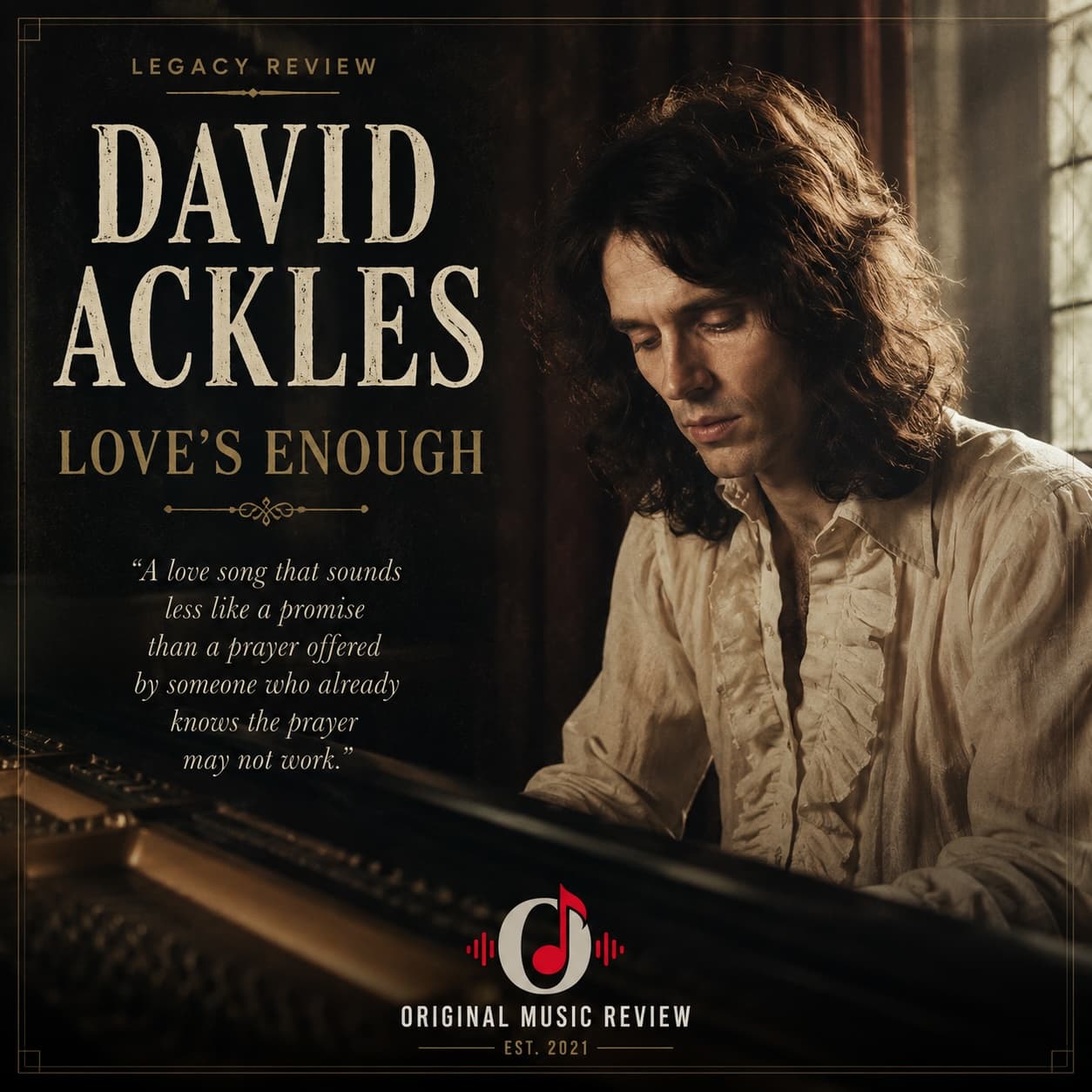
David Ackles’ “Love’s Enough” is a small masterpiece of vulnerable songwriting from 1972’s American Gothic — tender, theatrical, quietly devastating, and brave enough to make sincerity feel dangerous.
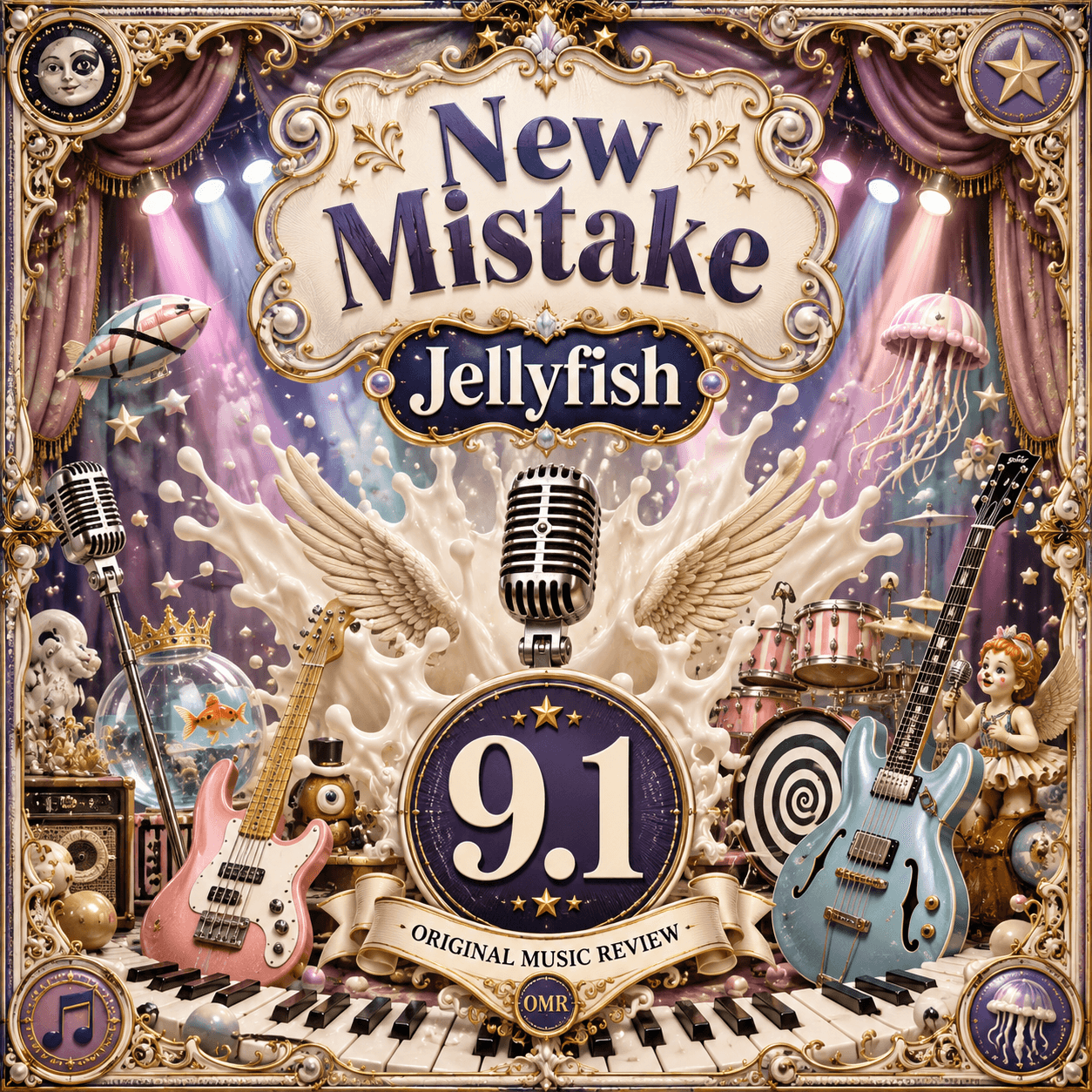
Jellyfish’s “New Mistake” is power-pop at its most dazzling and faintly unhinged — a 1993 Spilt Milk highlight that stacks Queen harmonies, Beatles chord changes, and theatrical arrangement craft over a chorus engineered to feel like it has always existed.
Rilo Kiley’s “With Arms Outstretched” is one of the great quiet anthems of early-2000s indie rock — a slow-burning acoustic song that turns longing, time, vulnerability, and emotional surrender into something communal by the end.
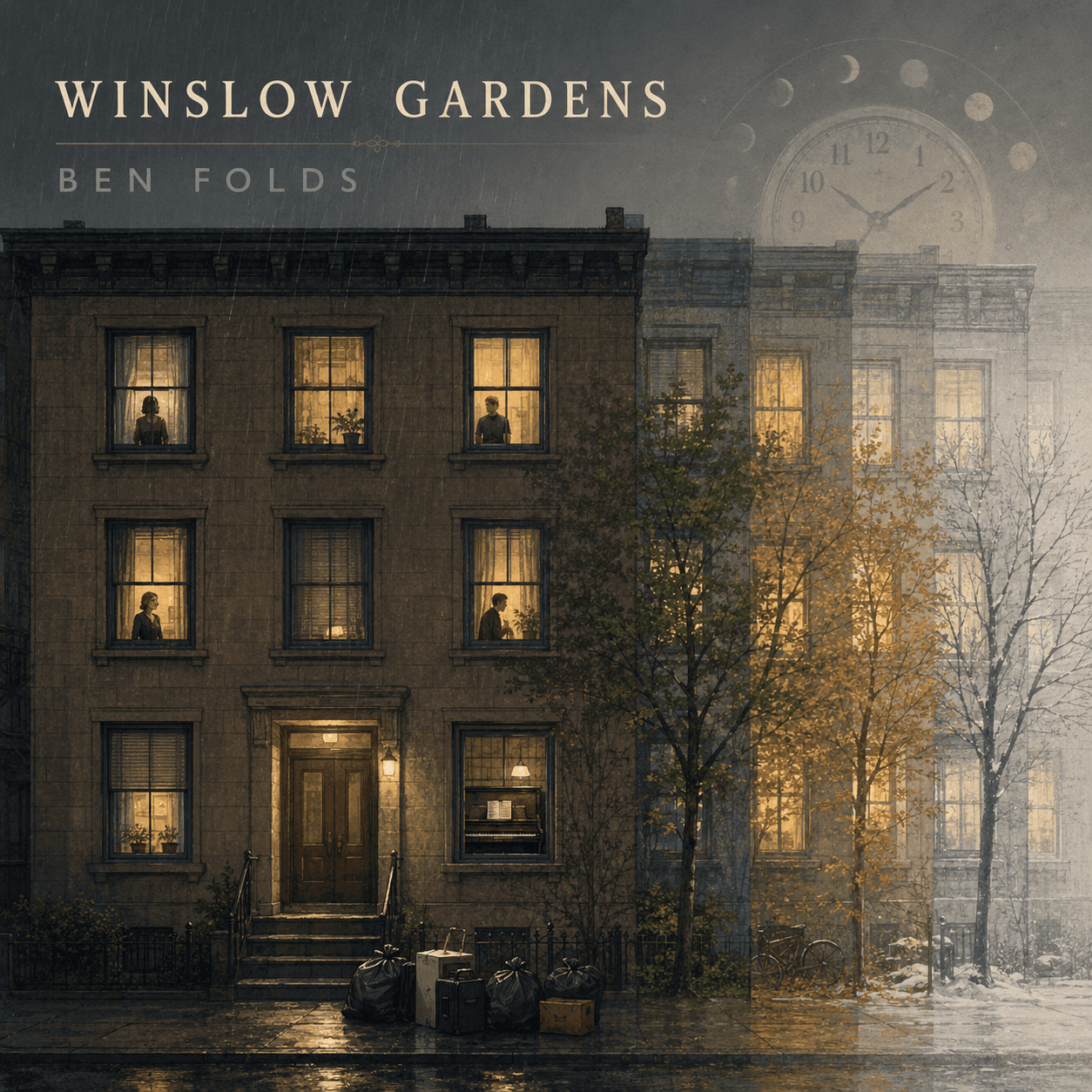
A beautifully compressed Ben Folds character study that turns an apartment, a crisis, and the passing of time into one of his most quietly effective late-career songs.
Simon Talbot’s “Never” is an ambitious solo songwriter album built around love, imagination, escape, and strange emotional geography. Across twelve tracks, the London artist moves through portals, make-believe cities, mysterious men, humanoids, and roads to nowhere, creating a release that feels part rock album, part dream journal, and part personal myth.
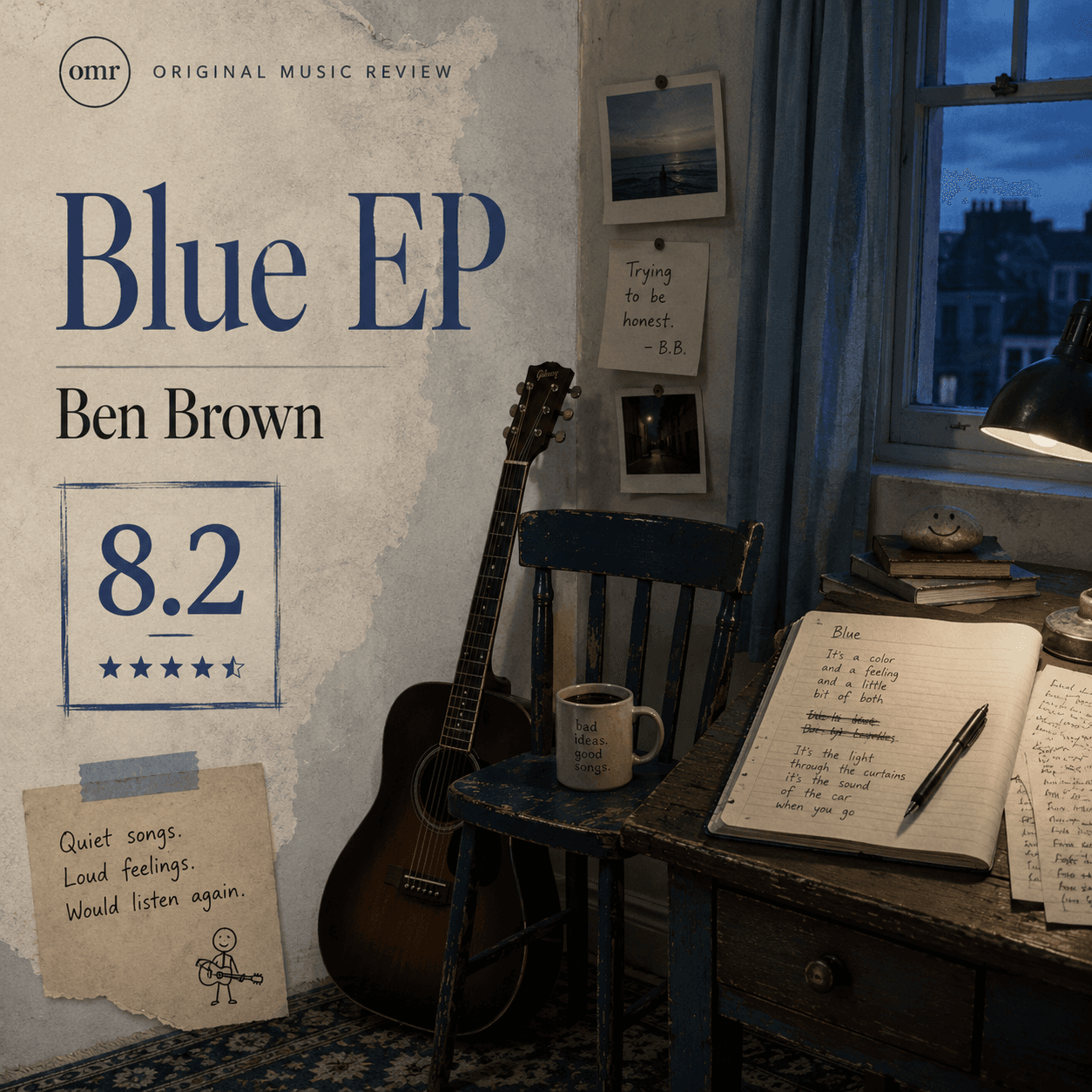
Ben Brown’s “Blue EP” is a concise four-track acoustic folk-pop release that favours intimacy over spectacle. Across “Let Go,” “Kathmandu,” “Blue,” and “Dancing With Our Eyes Closed,” Brown works in small gestures, plain feeling, and melodic understatement.
Paul O’Kane’s “As One” is a tender pop singer-songwriter piece about loss, family, and spiritual nearness. Written in 2003 and recorded decades later, it carries the feeling of a song that had to wait until the right moment to speak.
Califone’s take on Mecca Normal’s “Family Swan” is intimate, wounded, and strange in the best possible way. It honours the original not by smoothing it out, but by letting its sadness, humour, bleakness, and humanity remain unresolved.
Austin Millz’s “Rock Any Further” is a tight, body-forward electronic cut from the Harlem-rooted New York producer, built less around grand emotional confession than physical command. It is rhythm as architecture: direct, clean, kinetic, and made to make stillness feel like a bad idea.
Pete Murphy’s “Maria” is a compact, emotionally literate piece of singer-songwriter pop-rock that treats identity, protection, and family with unusual tenderness. It is not polished in the glossy sense, but its handmade intimacy gives the song its force.
Terry Davies’ “831” is a deeply personal romantic ballad built around memory, marriage, music, travel, and parenthood. Its sentiment is unashamedly direct, but the specificity of its images — Spain, Arizona, Dubai, the stage, and the arrival of a son — gives the song a lived-in emotional weight.
A lyrically searing protest hymn that refuses cynicism — Davies maps the cracks in the world and still dares to hope.
A duet with Roger Joseph Manning that turns the post-show silence into a manifesto for the artist who works when the world sleeps.
A tender, gratitude-soaked tribute to a mother — and a promise that nothing important will go unsaid between them.
A nostalgia-soaked romp through the late '90s and early 2000s — flip phones, Smash Mouth, and MySpace top 8s, weaponised as romance.
An exhilarating, reference-packed tribute to John Williams that recreates the feeling of hearing him for the first time.
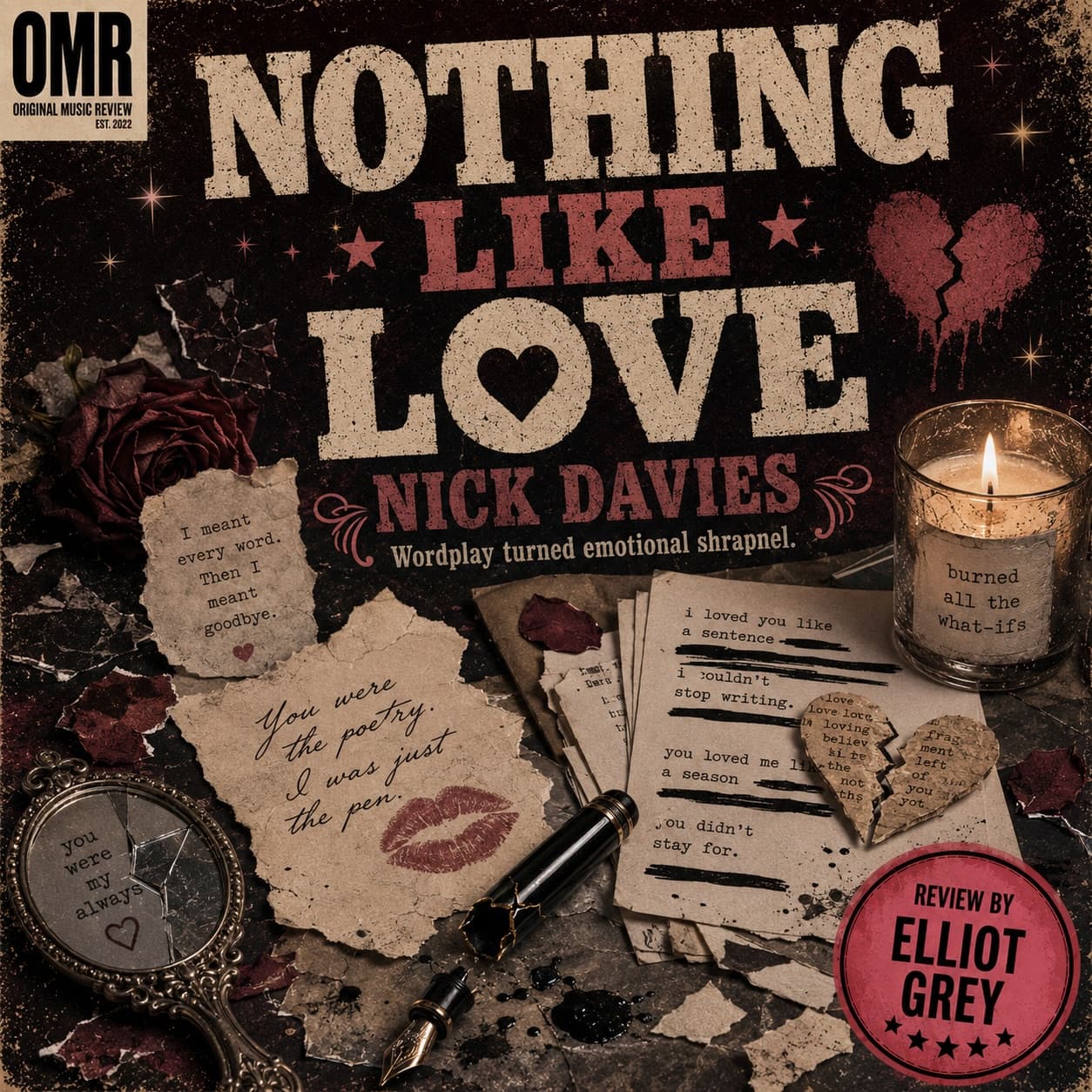
A masterclass in wordplay that turns lyrical virtuosity into emotional shrapnel — every syllable doing two jobs, and aching for both.
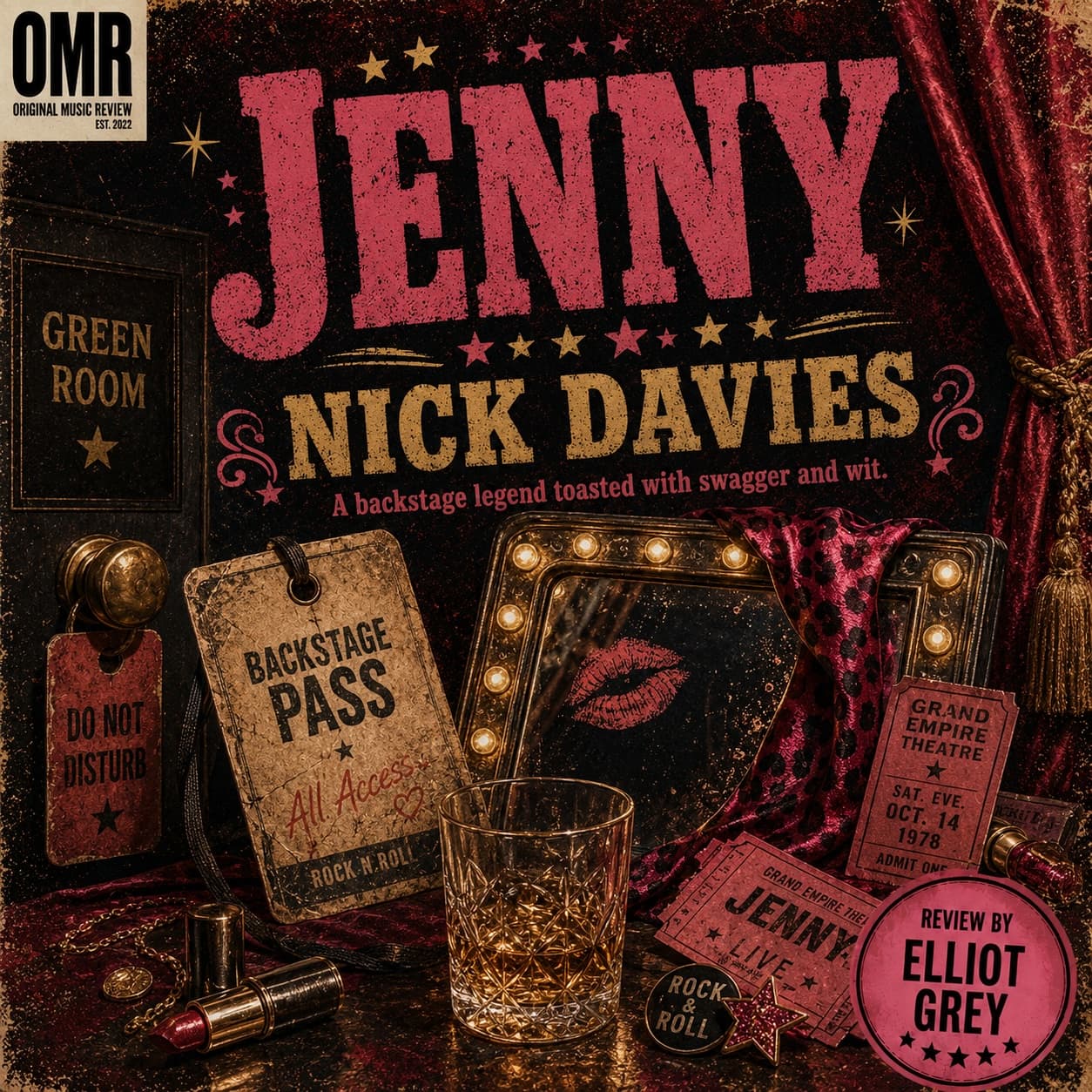
A theatrical, tongue-in-cheek tribute to the era of the legendary groupie — equal parts romp, roast, and quiet elegy.
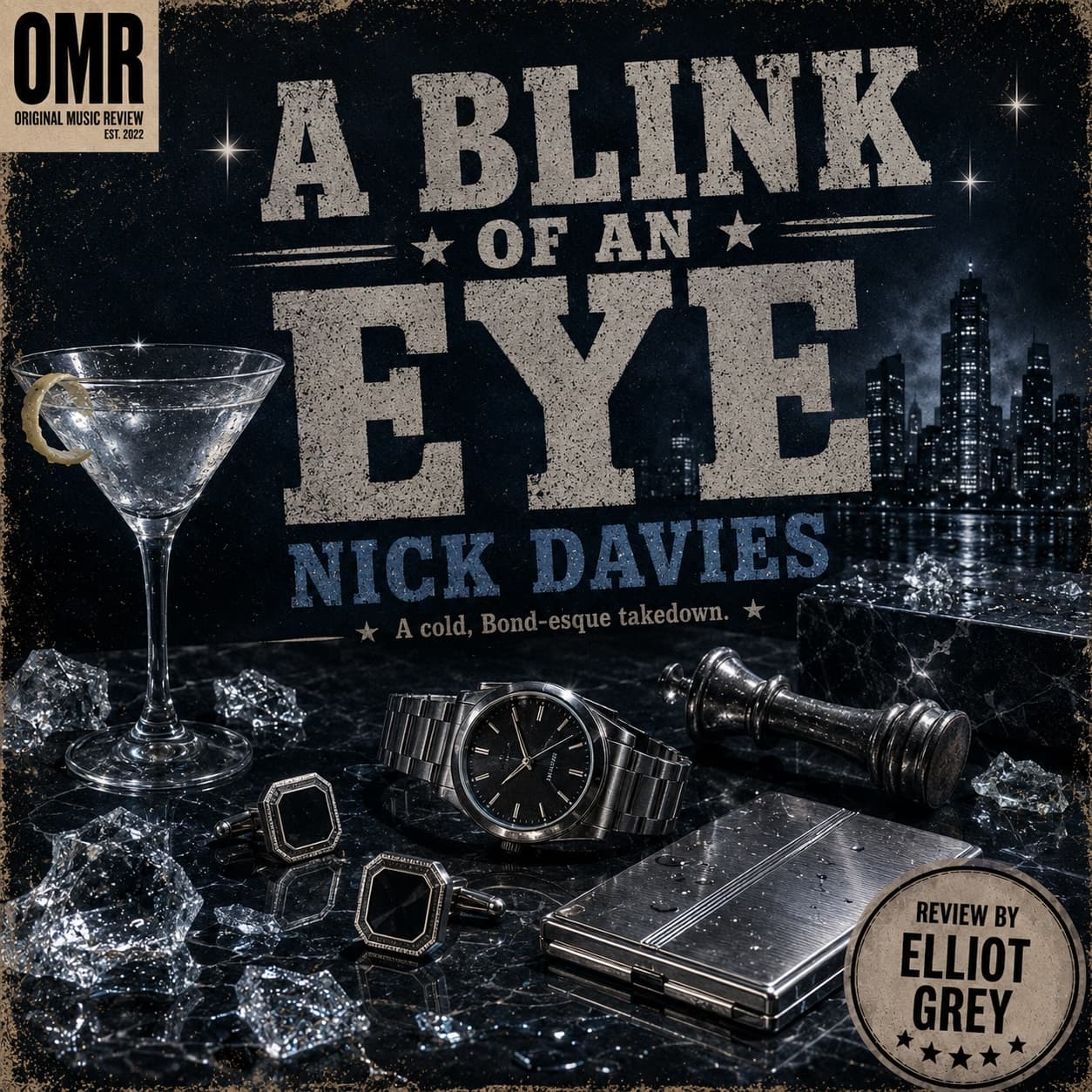
A vicious, Bond-esque takedown of a social climber, delivered with British bite and zero appetite for redemption.
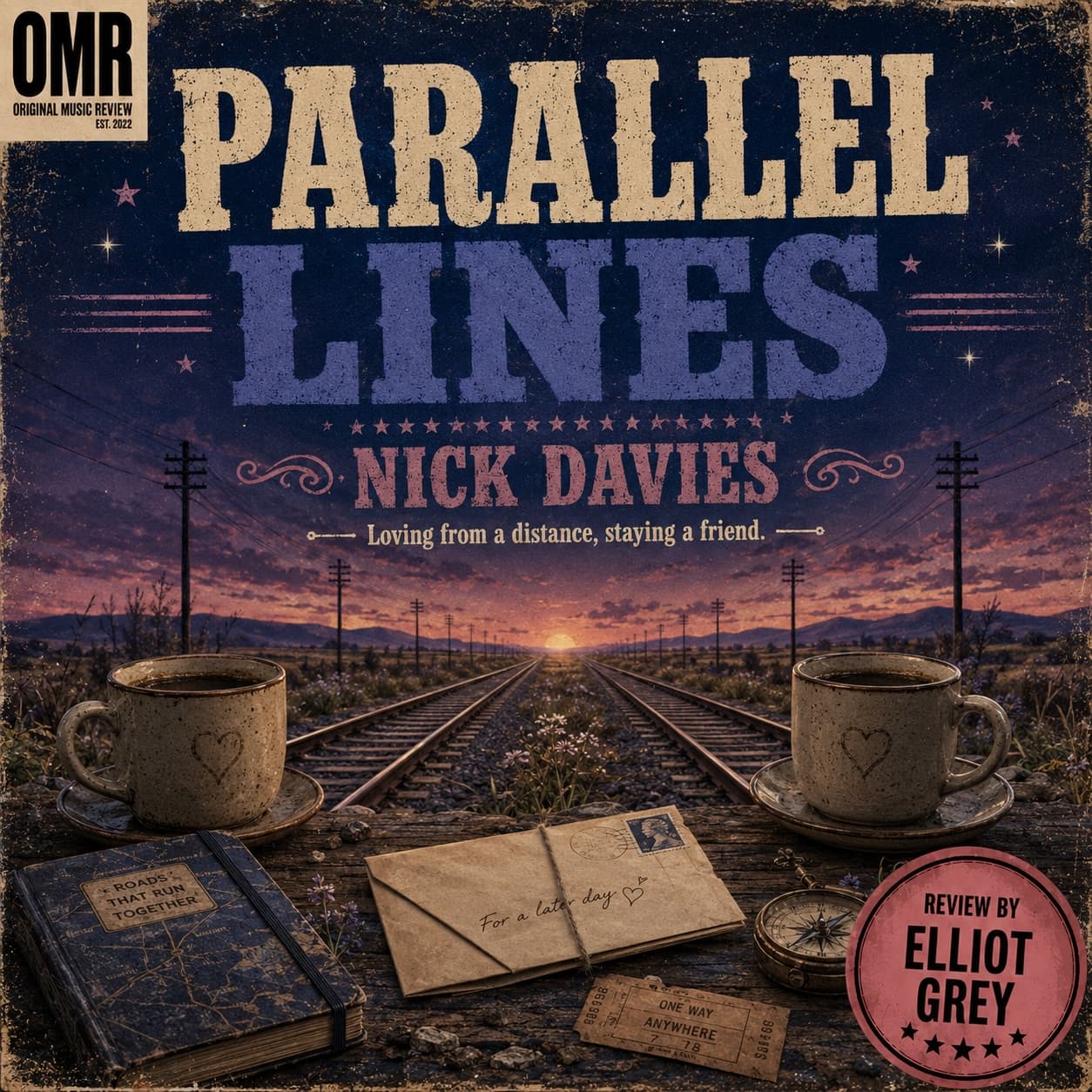
A quietly devastating ballad about loving someone you'll never be with — and choosing, instead, to be a friend.
A self-aware, vaudevillian romp about the unsung hero of every live show — written by someone clearly thrilled to be on the bill.
A vulnerable, autobiographical piano ballad in which Nick Davies thanks — by name — the music that saved him.